


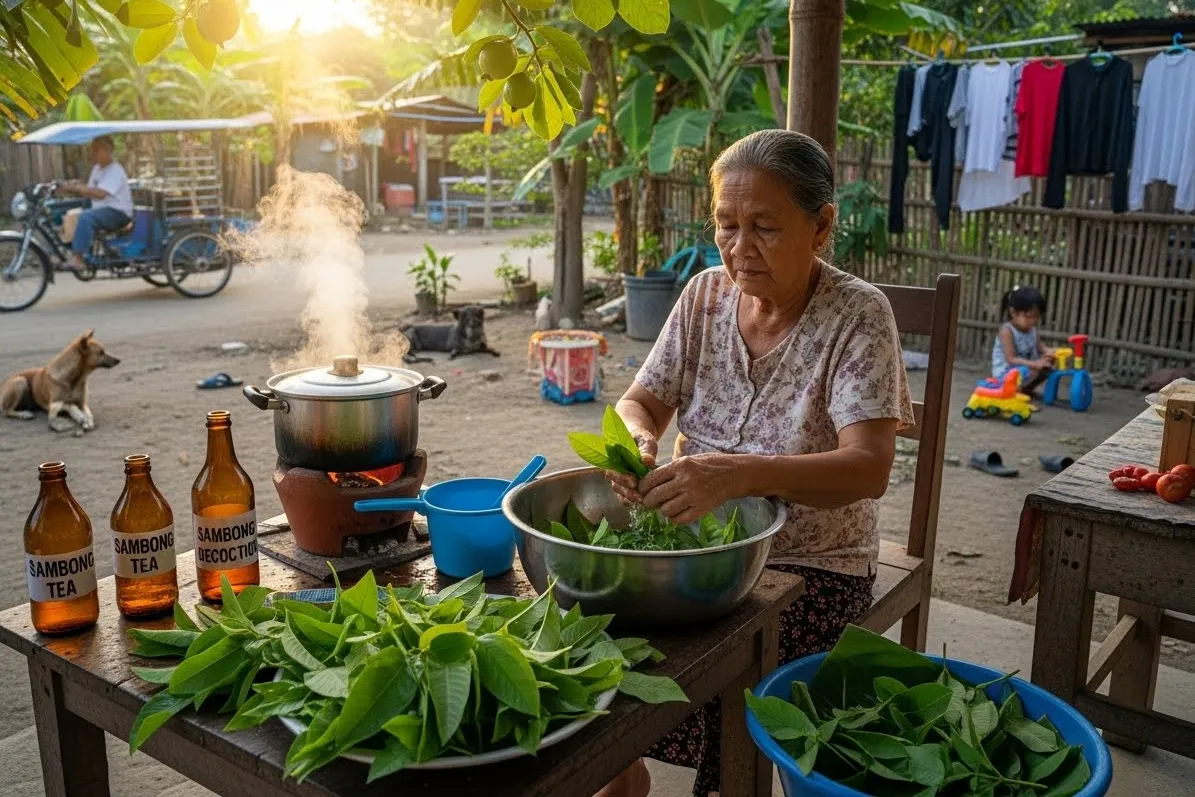

If you grew up in the Philippines, chances are you’ve heard someone say “Inom ka ng Sambong, para sa bato sa bato.” It’s one of those classic herbal remedies na lagi nating naririnig from parents, lolas, kapitbahay, even barangay health workers. And unlike many old-school remedies, Sambong (Blumea balsamifera) is actually DOH-approved for kidney support, especially for helping dissolve kidney stones and improving urinary flow. Hindi lang siya “pamahiin” — it’s one of the most researched medicinal plants we have.
- 🌿 What Is Sambong? (Blumea balsamifera)
- 💚 10 Proven Benefits of Sambong for Kidney Health
- 🍵 How to Prepare Sambong (Tea, Decoction, Fresh Leaves)
- 💊 Proper Sambong Dosage (Adults & Kids)
- ⚠️ Side Effects, Safety, and When to Avoid Sambong
- 🔍 Sambong vs Other Kidney Remedies (Corn Silk, Banaba, Pili Roots)
- 🧾 DOH-Approved Sambong Products You Can Buy in the Philippines
- ❓ Frequently Asked Questions About Sambong (10 FAQs)
- 🌟 Caring for Your Kidneys the Filipino Way
- References
But here’s the thing: most Filipinos do not have a good understanding of how it works, what Sambong benefits are, or how to prepare it correctly. Does it really help with UTI? Paano ba ang tamang dosage? Is tea enough, or do you need tablets? May side effects ba? And when should you avoid taking it?
This guide breaks down 10 proven benefits of Sambong for kidney health, backed by science, DOH recommendations, and practical Filipino experience. From detox support to kidney stone prevention, preparation methods to dosage — this is your complete, no-nonsense Sambong guide for everyday wellness.
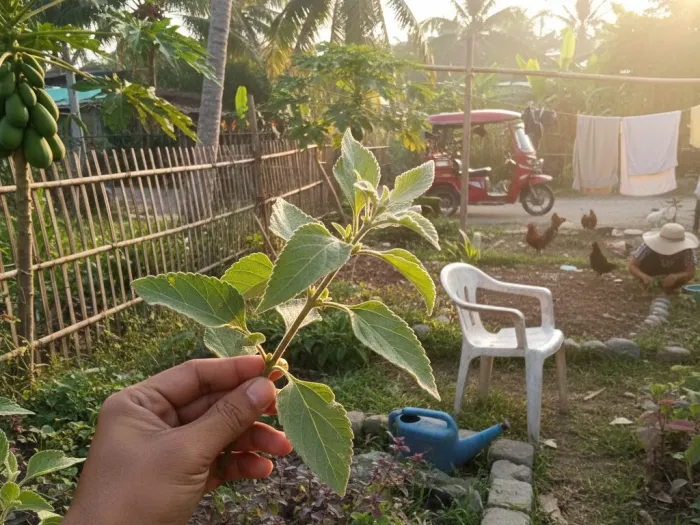
🌿 What Is Sambong? (Blumea balsamifera)
Sambong (Blumea balsamifera) is one of the Philippines’ most trusted herbal plants, especially for kidney health. It’s officially recognized by the Department of Health (DOH) as an herbal medicine for dissolving kidney stones and helping the body release excess water through urination. For many Filipinos, Sambong has become the go-to natural remedy for kidney discomfort, UTI symptoms, and fluid retention — a staple in both rural and urban households.
Scientific Background
Sambong belongs to the Asteraceae family and is native to Southeast Asia. The plant is rich in volatile oils, flavonoids, and diuretic compounds that help increase urine production (i.e., pampa-ihi) and assist in flushing out urinary crystals that can form stones. These natural compounds are the reason Sambong is effective for kidney cleansing and urinary wellness.
DOH-Approved Uses of Sambong
The DOH and PITAHC list Sambong as approved for:
- Urolithiasis (kidney stones)
- Diuretic support (helps remove excess fluids)
- Fluid retention (pamamanas)
- Mild hypertension related to excess water in the body
Its ability to increase urination naturally makes it a helpful support for people who need to cleanse their kidneys gently.
Where Sambong Grows in the Philippines
Sambong grows almost everywhere — bakuran, bukid, gilid ng kalsada. It thrives in tropical climates, which makes it abundant in Luzon, Visayas, and Mindanao. The leaves are the most commonly used part, especially for tea, decoction, and commercially available tablets.
Sambong Quick Overview Table
| Category | Details |
|---|---|
| Scientific Name | Blumea balsamifera |
| Family | Asteraceae |
| DOH Classification | Approved for kidney stones & diuretic use |
| Common Filipino Names | Sambong, Gabon, Subusob, Ayoban |
| Main Parts Used | Leaves |
| Primary Benefits | Kidney stone support, diuretic, detox |
Sambong’s strength lies in its ability to support the kidneys naturally — gently, safely, and cost-effectively.
💚 10 Proven Benefits of Sambong for Kidney Health
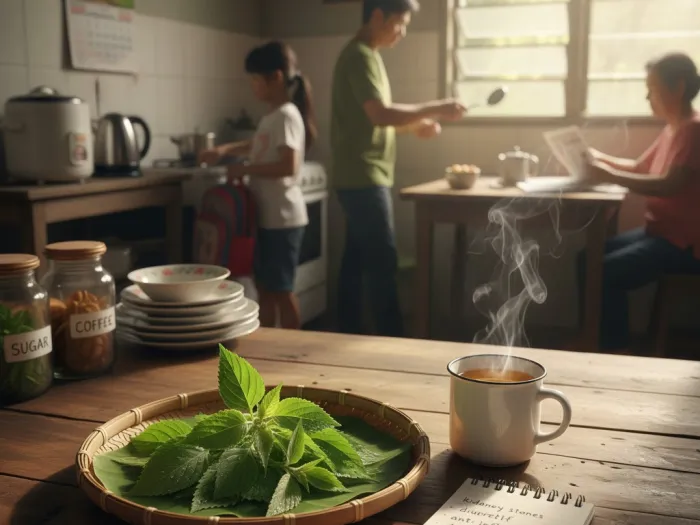
Sambong is one of the most powerful herbal remedies for the kidneys, backed by DOH approval and years of Filipino traditional use. Thanks to its natural diuretic and cleansing compounds, Sambong helps your body flush out excess water, toxins, and urinary crystals. Here are the 10 proven benefits that make Sambong a trusted herbal ally for kidney wellness in the Philippines.
1. Helps Dissolve Kidney Stones (Urolithiasis)
Sambong is clinically recognized for helping reduce the size of kidney stones, especially calcium oxalate stones.
Its diuretic action increases urine flow, which helps wash out tiny crystals before they become bigger stones.
Many Filipinos use Sambong tablets or decoction after experiencing flank pain or early stone symptoms.
2. Strong Natural Diuretic (Pampa-ihi)
Sambong helps your kidneys release excess water by increasing urine output.
This makes it useful for people who feel bloated, water-retained, or “namamaga ang paa.”
Its diuretic effect is gentle, unlike strong pharmaceutical diuretics.
3. Supports UTI Relief and Faster Urinary Flow
By helping flush bacteria through increased urination, Sambong may support mild UTI relief.
It’s not a replacement for antibiotics, pero malaking tulong siya as supportive therapy.
People with frequent UTI episodes often take Sambong tea as part of prevention.
4. Reduces Kidney Inflammation
Sambong contains anti-inflammatory compounds that help soothe irritated kidney tissues.
This is especially helpful for people recovering from kidney infection or stone-related discomfort.
Mas gumagaan ang pakiramdam over time.
5. Helps Flush Out Toxins (Natural Detox Support)
More urine flow = more waste flushed out.
This makes Sambong a gentle detox option for people who want to support their kidneys naturally.
Many Filipinos drink Sambong tea 2–3 times a week for maintenance.
6. Helps Regulate Blood Pressure Through Fluid Balance
Since Sambong increases urine production, it helps reduce excess fluid that can contribute to mild hypertension.
It doesn’t replace BP maintenance meds, but it helps lighten the load on the body.
Great for people who feel “heavy” or swollen.
7. Supports Recovery After Mild Urinary Infections
After antibiotics or when recovering from UTI, Sambong helps maintain good urinary flow.
This may reduce recurrence and help the kidneys clear leftover irritation.
Ideal for people who often feel “hapdi” or slow urination.
8. Offers Anti-inflammatory Benefits for Overall Wellness
Beyond kidneys, Sambong helps reduce inflammation in the body.
This supports relief from muscle aches, mild fevers, or general discomfort.
Many traditional healers use Sambong as part of healing baths.
9. Contains Antioxidants That Help Protect Kidney Cells
Sambong leaves have antioxidant flavonoids that help protect kidney cells from oxidative stress.
This is especially beneficial for people with a family history of kidney problems.
It supports long-term kidney wellness.
10. Traditional Use for Wound Cleansing and Skin Wash
Sambong leaves are used in some provinces as a cleansing wash for small wounds or skin irritations.
Its antibacterial properties help maintain cleanliness and prevent infection.
Not its main DOH use, but still valued in Filipino traditional medicine.
Benefits Summary Table
| Benefit | Evidence Level | Best Form |
|---|---|---|
| Kidney Stone Dissolution | Strong (DOH-approved) | Tablets, decoction |
| Diuretic Effect | Strong | Tea, decoction |
| UTI Support | Moderate | Tea |
| Kidney Anti-inflammatory | Moderate | Decoction |
| Detox Support | Moderate | Tea |
| Fluid Regulation | Moderate | Tea |
| Post-UTI Recovery | Moderate | Tea |
| Anti-inflammatory (general) | Moderate | Tea |
| Antioxidant Support | Moderate | Tea |
| Wound Wash | Traditional | Fresh leaves |
Sambong’s benefits revolve around one core theme — strong support for the kidneys and urinary system, making it one of the most valuable DOH-approved herbs in Filipino medicine.
Related Posts

🍵 How to Prepare Sambong (Tea, Decoction, Fresh Leaves)
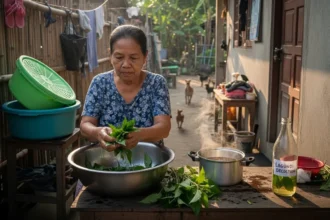
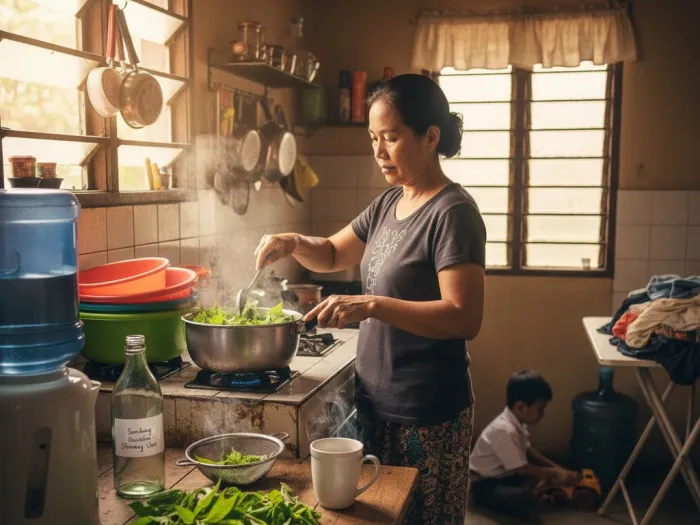
Sambong is easy to prepare at home, and the method you choose depends on how strong you want its effects to be. Tea is the gentlest and ideal for maintenance, while decoction is stronger and used for kidney stones, UTI relief, and detox flushing. Here’s how to prepare Sambong the right way, Filipino-style.
Using Fresh Sambong Leaves
Fresh leaves are the most traditional form.
- Wash thoroughly to remove dust
- Crush lightly to release the aromatic oils
- Use immediately for best potency
This form is often used for tea or decoction.
Sambong Tea (Mild Use, Daily Wellness)
Perfect for: mild UTI support, light detox, maintaining kidney wellness.
How to prepare Sambong tea:
- 1 cup fresh Sambong leaves or 1 tablespoon dried leaves
- 2–3 cups water
- Simmer for 10–15 minutes
- Strain and drink warm
Best time to drink: Morning or early afternoon (avoid late night to prevent frequent urination during sleep).
Sambong Decoction (Stronger Kidney Support)
Decoction is stronger than tea and recommended for kidney stone flushing or moderate UTI symptoms.
How to prepare Sambong decoction:
- 1 full handful of fresh leaves
- 4 cups of water
- Boil until reduced to half
- Strain and divide into 2–3 doses for the day
Note: Always take decoctions after meals to avoid stomach discomfort.
Powdered Sambong Tea Bags (Commercial Option)
If you don’t have access to fresh leaves, tea bags are a convenient choice.
- Comes ready-to-brew
- Mild strength
- Great for everyday kidney maintenance
Check for DOH/PITAHC approval before buying.
Preparation Comparison Table
| Preparation | How It’s Made | Best For | Strength |
|---|---|---|---|
| Fresh Leaves (Tea) | Boil 10–15 mins | Maintenance, mild UTI | Gentle |
| Decoction | Reduce water by half | Kidney stones, detox | Strong |
| Tea Bags | Brew in hot water | Daily wellness | Mild |
| Fresh Leaf Compress | Crushed leaves | Wounds, skin wash | External use |
Sambong is easy to incorporate into daily life — just choose the preparation that matches your health needs and schedule.

💊 Proper Sambong Dosage (Adults & Kids)
Because Sambong has a strong diuretic effect, the right dosage matters. The DOH and PITAHC provide clear guidelines to help Filipinos use Sambong safely, especially for kidney stones, UTI support, and fluid retention. Whether you’re drinking tea, preparing a decoction, or taking tablets, stick to these recommended amounts for best results.
DOH/PITAHC Dosage Guidelines
Sambong is approved for:
- Urolithiasis (kidney stones)
- Diuretic support (pampa-ihi)
- Fluid retention (pamamanas)
- Adjunct therapy for mild UTI
Dosage varies based on age and form.
Dosage for Adults
- Sambong Tea:
1 cup, 2–3 times daily - Decoction:
Divide the reduced mixture into 2–3 doses per day - Tablets/Capsules:
Usually 250 mg or 500 mg, 3 times daily
(Follow brand instructions)
Best for: kidney stones, urinary flushing, detox, and bloating relief.
Dosage for Children
Sambong is not recommended for children under 7 years old unless advised by a doctor due to its strong diuretic effect.
Ages 7–12 years
- Tea: Mildly diluted, 1 cup once daily
- Decoction: Not recommended unless supervised by a healthcare provider
- Tablets/capsules: Not allowed
Age 12+
- Follow adult dosage
Dosage for Kidney Stones
For active kidney stone flushing:
- Decoction: Strongest option; 2–3 divided doses daily
- Tablets: 250–500 mg, 3 times daily
- Tea: Mild support but less effective for stones
Consistency is key — most people see improvement after several weeks of daily use.
Daily Limits and Safety Rules
- Do not exceed 7 consecutive days without medical supervision
- Avoid taking Sambong before bedtime (frequent urination)
- Do not double doses if you miss one
- Keep well-hydrated to support kidney flushing
- Pregnant or breastfeeding women must avoid Sambong
Sambong Dosage Table
| Age Group | Tea | Decoction | Tablets/Capsules |
|---|---|---|---|
| Under 7 yrs | Not advised | Not allowed | Not allowed |
| 7–12 yrs | 1 cup (diluted) | Not recommended | Not allowed |
| 12+ yrs | 1 cup 2–3×/day | 2–3 divided doses | 250–500 mg 3×/day |
| Adults | 1 cup 2–3×/day | 2–3 divided doses | 250–500 mg 3×/day |
Sambong is powerful — follow age-appropriate dosing to get the benefits safely while protecting your kidneys.
⚠️ Side Effects, Safety, and When to Avoid Sambong
Sambong is effective and DOH-approved, but it’s also a strong diuretic, which means it can affect fluid levels, kidney workload, and blood pressure. Most Filipinos tolerate it well, but you still need to understand its possible side effects and situations where Sambong should be avoided. Using it correctly is the key to protecting your kidneys rather than stressing them.
Common Mild Side Effects
These effects are usually temporary and happen when the dose is too strong or taken too frequently:
- Frequent urination (expected because it’s a diuretic)
- Mild stomach discomfort
- Light dizziness or fatigue
- Dry mouth or thirst
- Slight drop in blood pressure
These symptoms typically improve once dosage is reduced.
Less Common Side Effects
These are less frequent but important to watch out for:
- Headache
- Nausea
- Loose stools
- Skin rashes (allergic reaction)
If rashes or breathing issues occur, stop immediately.
Who Should Avoid Sambong
Some individuals should not take Sambong unless advised by a doctor:
Pregnant and Breastfeeding Women
Sambong may affect fluid levels and has insufficient safety data.
Better to avoid completely.
People With Heart Failure or Severe Kidney Disease
Due to its strong diuretic effect, Sambong can alter fluid balance too aggressively.
These conditions require medical-grade diuretics, not herbal ones.
People With Low Blood Pressure
Sambong may cause BP to drop further.
Individuals Taking Diuretic, BP, or Kidney Medications
It may double the effect of your meds and cause dehydration.
Consult your doctor before combining.
When to Stop Taking Sambong
Stop immediately and get medical attention if you notice:
- Sudden flank or lower back pain that worsens
- Very dark urine
- Blood in urine
- Severe dizziness or weakness
- Rapid heartbeat
- Sharp drop in urine output (possible kidney issue)
For UTI symptoms:
If you experience fever, chills, severe back pain, or persistent burning sensation, go to a doctor. Sambong is supportive, not a replacement for antibiotics.
Sambong Safety Table
| Symptom | Possible Cause | What to Do |
|---|---|---|
| Frequent urination | Expected diuretic effect | Hydrate well |
| Mild dizziness | Drop in BP | Reduce dosage |
| Stomach upset | Strong decoction | Take after meals |
| Skin rash | Allergy | Stop immediately |
| Weakness/fatigue | Fluid loss | Increase water intake |
| Dark urine or pain | Possible kidney issue | Seek medical care |
Sambong is powerful — treat it with respect. Used correctly, it can support your kidneys. Used excessively, it may do the opposite.
🔍 Sambong vs Other Kidney Remedies (Corn Silk, Banaba, Pili Roots)
Sambong is one of the most popular Filipino remedies for kidney health, but it’s not the only herbal option out there. Some people prefer corn silk tea, others swear by Banaba, while those in rural areas still use pili roots for urinary issues. Each herb works in a different way. Here’s how Sambong compares, so you can choose the right remedy for your exact condition.
Sambong vs Corn Silk (Diuretic vs Gentle Flow Support)
Sambong:
- Strong diuretic
- Helps dissolve kidney stones
- Reduces water retention
- Good for detox and flushing
Corn Silk:
- Mild diuretic
- Soothes bladder irritation
- Supports gentle urinary flow
- Less effective for kidney stones
Verdict:
Choose Sambong for stones and fluid retention.
Choose Corn Silk for mild UTI irritation or gentle urinary comfort.
Sambong vs Banaba (Kidney Health vs Blood Sugar Support)
Sambong:
- Targets kidneys and urinary system
- Helps with stone dissolution and water removal
Banaba:
- Lowers blood sugar levels
- Helps with weight management
- Mild diuretic effect but NOT for kidney stones
Verdict:
If your goal is kidney wellness, Sambong is the correct herb.
If you’re watching your blood sugar, Banaba is the better match.
Sambong vs Pili Roots (Clinical vs Traditional Use)
Sambong:
- DOH-approved
- Backed by multiple studies
- Available in standardized tablets and teas
Pili Roots (traditional remedy):
- Used in some provinces for urinary pain
- Mild cleansing effect
- Mostly anecdotal; limited studies
Verdict:
Sambong is the safer and more reliable choice, especially for kidney stones and fluid retention.
Herbal Comparison Table
| Herb | Main Benefit | Best For | DOH Status |
|---|---|---|---|
| Sambong | Diuretic & kidney stone support | Urolithiasis, pamamanas, detox | DOH-approved |
| Corn Silk | Gentle urinary relief | UTI irritation, bladder soothing | Not DOH-approved |
| Banaba | Blood sugar regulation | Diabetes, weight support | DOH-approved (for diabetes) |
| Pili Roots | Traditional urinary wash | Mild discomfort | Not DOH-approved |
Sambong stands out because it’s one of the few kidney-focused herbs with clinical evidence, making it your best option for urinary cleansing and stone prevention.
🧾 DOH-Approved Sambong Products You Can Buy in the Philippines
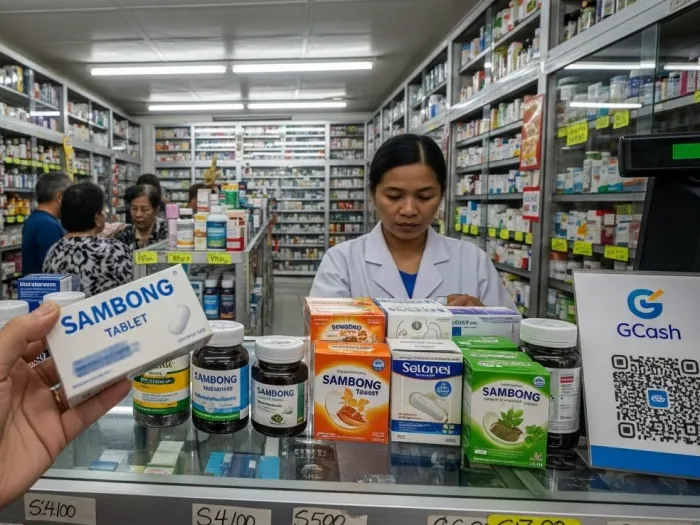
Sambong is widely available across the Philippines, not just in its fresh-leaf form but also in standardized DOH-approved products. These give you accurate dosage, consistent potency, and a safer way to use Sambong for kidney stones, UTI support, and detox. Here are the most trusted Sambong products you can buy today.
Sambong Tablets (Most Common DOH-Approved Form)
Tablets are the most popular form for kidney support because they offer:
- Consistent herbal extract dosage
- Convenience for daily intake
- Standardized strength
- Ideal for kidney stones and fluid retention
Common brands:
- Re-Leaf Forte Sambong Tablets
- Generics Pharmacy Sambong Tablets
- RiteMed Sambong (availability varies)
Best for: kidney stones, bloating, urinary cleansing.
Sambong Capsules
Similar to tablets but easier to swallow.
- Available in 250 mg and 500 mg formulations
- Good for adults with sensitive stomachs
- Convenient for travel or work
Best for: long-term maintenance and hydration-based detox.
Sambong Tea Bags (Convenient Alternative)
Tea bags are convenient if you don’t have access to fresh leaves.
- Mild effects
- Good for wellness support
- Suitable for light detox and UTI prevention
Best for: gentle daily kidney maintenance.
Fresh Sambong Leaves (Traditional Use)
Still widely used in rural communities.
- Used for tea, decoction, and external washes
- Accessible and inexpensive
- Stronger potency when properly prepared
Best for: homemade kidney support remedies.
How to Spot Legit Sambong Products
To avoid fake or weak herbal products, check for:
- DOH/PITAHC approval on the packaging
- Clear dosage instructions
- Name of manufacturer + contact details
- Expiration date and batch number
- No exaggerated “miracle cure” claims
If you’re buying online, choose stores with verified badges and high reviews.
Sambong Product Comparison Table
| Product Type | Best For | Price Range | Notes |
|---|---|---|---|
| Tablets | Kidney stones, detox | ₱130–₱180 | DOH-approved |
| Capsules | Daily kidney support | ₱150–₱220 | Easy to swallow |
| Tea Bags | Wellness, UTI prevention | ₱80–₱150 | Mild strength |
| Fresh Leaves | Strong homemade remedies | Free–₱20 | Widely available |
Sambong is accessible, affordable, and backed by the DOH — making it one of the best natural remedies for Filipinos dealing with kidney issues.
❓ Frequently Asked Questions About Sambong (10 FAQs)
• Does Sambong really help dissolve kidney stones?
Yes. Sambong is DOH-approved specifically for urolithiasis, meaning it helps reduce the size of kidney stones, especially calcium oxalate stones. Its strong diuretic effect helps flush out small crystals before they form larger stones. Many Filipinos use Sambong tablets or decoction during early symptoms. If severe pain or blood in urine occurs, seek medical attention immediately.
• Can Sambong cure UTI?
Sambong can help support UTI relief by promoting frequent urination, which flushes bacteria out. However, it is not a replacement for antibiotics, especially for moderate or severe UTI. For mild urinary discomfort, tea or decoction can help. If symptoms include fever, chills, or persistent burning, see a doctor right away.
• How often should I drink Sambong tea?
For maintenance or mild urinary issues, 1 cup 2–3 times daily is safe for adults. Those using Sambong for kidney flushing can increase to 2–3 cups a day but only for short periods. Avoid drinking tea late at night since it can cause frequent urination and disrupt sleep. Always monitor how your body responds.
• Is Sambong safe for long-term use?
Sambong is generally safe but not recommended for long-term use without medical supervision. Because it’s a strong diuretic, prolonged intake may affect your electrolytes and fluid balance. Most people use Sambong for 1–2 weeks at a time, then rest. For continuous kidney concerns, consult a doctor.
• Can I take Sambong while pregnant or breastfeeding?
No. Sambong is not advised for pregnant or breastfeeding women due to its strong diuretic effect and lack of sufficient safety studies. It may alter fluid levels in ways that could affect mother or baby. It’s better to skip Sambong entirely during pregnancy and breastfeeding unless your doctor gives explicit approval.
• What’s the best way to use Sambong for kidney stones?
The most effective approach is decoction (strong brew) or Sambong tablets taken 2–3 times daily. Tea provides mild support but may not be strong enough for active kidney stone flushing. Proper hydration and consistent dosing are crucial. Severe or recurring stone pain requires medical evaluation.
• Are there side effects when taking Sambong?
Side effects are usually mild and include dizziness, frequent urination, dry mouth, or slight stomach upset. These often appear when you take too much or drink decoction that’s too strong. Rare but serious reactions include rashes or very dark urine. Stop immediately if these occur.
• Can I combine Sambong with other kidney herbs like Banaba or Corn Silk?
Combining Sambong with mild herbs like Corn Silk is usually fine because it enhances urinary flow. However, avoid combining Sambong with Banaba if you have low blood pressure or blood sugar issues. And never mix Sambong with pharmaceutical diuretics unless supervised by a doctor.
• How long before I feel results from Sambong?
Most people feel lighter or notice improved urination within 1–2 days. Kidney stone relief may take several days to weeks, depending on the stone’s size. Consistency is key. If symptoms worsen or don’t improve after a week, get medical advice.
• Can children take Sambong?
Sambong is not recommended for children under 7 unless approved by a doctor. Older kids (7–12) can take diluted tea for mild urinary discomfort, but decoction and tablets are not allowed. Sambong’s strong diuretic effect can dehydrate younger children quickly.
🌟 Caring for Your Kidneys the Filipino Way
Kidney health is something most of us don’t think about until symptoms start showing up — that dull ache on the side, the sudden urge to pee, or the heaviness na parang may tubig ka sa katawan. And in true Filipino fashion, we turn to remedies that feel familiar, natural, and comforting. Sambong has always been one of those. It’s the kind of herbal support that reminds us of home, of our elders’ wisdom, of simple healing practices passed from one generation to the next.
But what makes Sambong truly special isn’t just tradition — it’s the fact that science now backs up what our lolas have known all along. Used correctly, Sambong can genuinely support your kidneys, help flush out stones, ease urinary discomfort, and lighten the load on your body. Safe, affordable, and accessible, it’s one of the few herbal options na talagang may laban when it comes to kidney wellness.
If you’re improving your health, taking control of uncomfortable symptoms, or simply trying to build better habits, you’re already doing something good for yourself. One small step at a time. Whether that’s sipping Sambong tea, choosing tablets, or learning how to care for your body more mindfully — every effort counts. Your kidneys work quietly for you every day; taking care of them is one of the best gifts you can give yourself.