


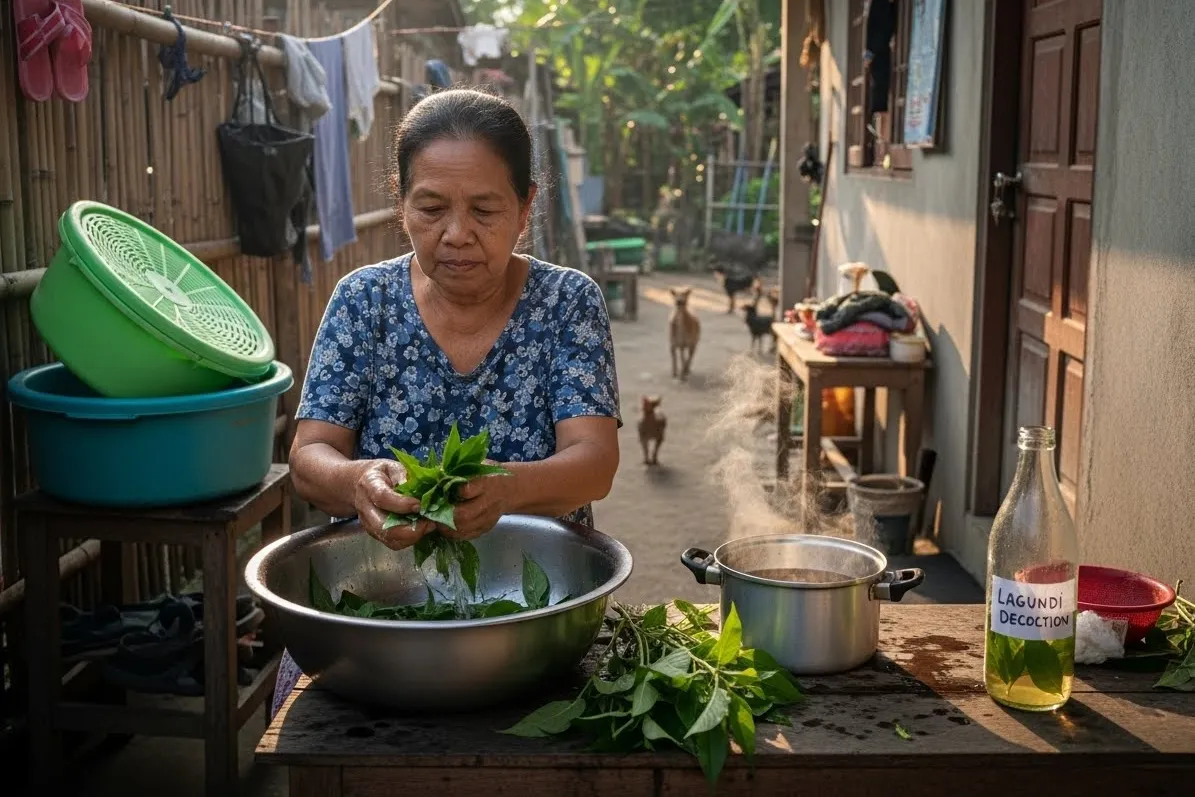

Growing up in the Philippines, you’ve probably seen Lagundi everywhere — sa bakuran, sa probinsya, sa likod ng lola mo habang pinapatuyo yung dahon sa banig. It’s one of those distinctly Filipino herbal remedies that never left our households. And for good reason. Lagundi (Vitex negundo) is one of the few DOH-approved medicinal plants, trusted for generations to ease cough, soothe asthma flare-ups, and help the body recover from colds and fever. It’s familiar, affordable, and nakakagaan ng loob knowing it came from nature.
- 🌿 What Is Lagundi? (Vitex negundo)
- 💚 Top 7 Health Benefits of Lagundi (Scientifically Supported)
- 🍵 How to Prepare Lagundi (Leaves, Tea, Decoction, Syrup)
- 💊 Proper Lagundi Dosage (Adults & Kids)
- ⚠️ Side Effects, Safety, and When to Avoid Lagundi
- 🧩 Lagundi vs Other Herbal Remedies (Sambong, Oregano, Yerba Buena)
- 🧾 DOH-Approved Lagundi Products You Can Buy in the Philippines
- ❓ Frequently Asked Questions About Lagundi (10 FAQs)
- 🌟 Why Lagundi Still Matters for Filipino Families Today
- References
But as more Filipinos return to natural remedies, the questions also grow: How do you prepare Lagundi properly? Ilan dapat ang dosage? Safe ba for kids? May side effects ba? And is the tea as effective as the syrup? These are important, and you deserve a clear, medically guided explanation — not hearsay from TikTok or old myths passed around the barangay.
This guide breaks everything down in a practical, science-backed way so you can use Lagundi safely and confidently. From its top health benefits to proper dosage, preparation methods, and possible side effects, consider this your complete Filipino reference for Lagundi — simple, trustworthy, and grounded in what the DOH actually recommends.
🌿 What Is Lagundi? (Vitex negundo)
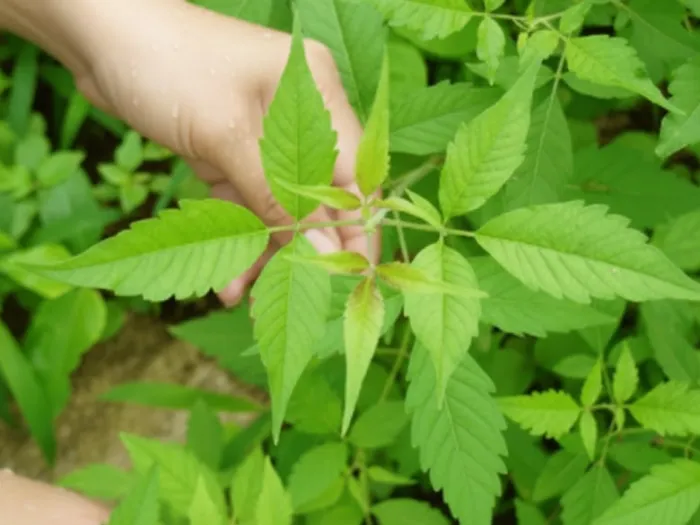
Lagundi, known scientifically as Vitex negundo, is one of the Philippines’ most trusted and widely used medicinal plants. It has been part of traditional Filipino healing for centuries, and today it is officially recognized by the Department of Health (DOH) as an herbal medicine for cough, asthma, and mild respiratory infections. This gives Lagundi a unique place in Filipino households — it bridges both tradition and modern science.
Scientific Background
Lagundi belongs to the Verbenaceae family and grows naturally across many tropical countries. Its leaves contain compounds like vitexicarpin, flavonoids, and volatile oils, which contribute to its anti-inflammatory, bronchodilating, and cough-relief effects. These active compounds are the reason Lagundi works as a natural decongestant and respiratory relaxant.
Why DOH Recognizes Lagundi as an Herbal Medicine
The DOH, through the Philippine Institute of Traditional and Alternative Health Care (PITAHC), includes Lagundi in its list of ten approved herbal medicines. Research from PCHRD and local universities has confirmed its effectiveness in:
- Reducing cough frequency
- Improving airflow for mild asthma
- Easing symptoms of colds
- Lowering mild fever
Lagundi went through clinical trials, making it one of the safest and most researched Filipino medicinal plants.
Where Lagundi Grows
Lagundi is common across the Philippines:
- Roadsides
- Backyards
- Barangay gardens
- Open fields
It’s a hardy plant that thrives in our tropical climate. The leaves — especially the five-leaf cluster — are the most commonly used part for teas, decoctions, and syrups.
Lagundi Overview Table
| Category | Details |
|---|---|
| Scientific Name | Vitex negundo |
| Family | Verbenaceae |
| DOH Classification | Approved herbal medicine (for cough & asthma) |
| Common Filipino Names | Lagundi, Dangla (Ilocano), Botbot (Visayan) |
| Main Plant Parts Used | Leaves, flowers, roots |
| Primary Benefits | Cough relief, asthma support, anti-inflammatory |
Lagundi’s long history and proven effectiveness make it a steady, trustworthy herbal remedy for Filipino families — especially when used correctly.
💚 Top 7 Health Benefits of Lagundi (Scientifically Supported)
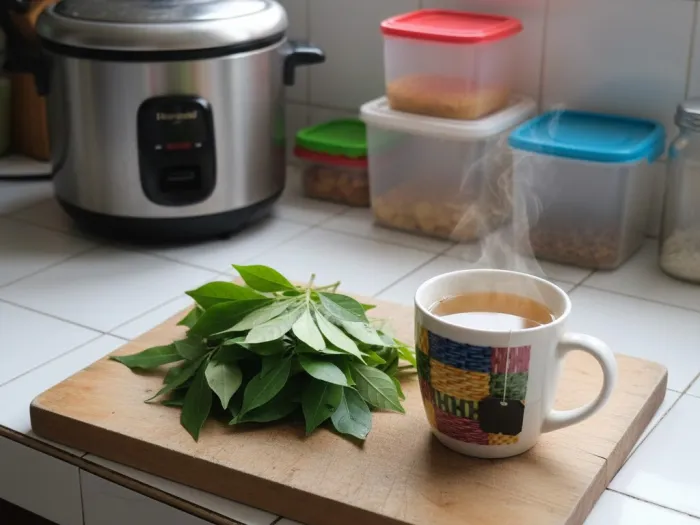
Lagundi has earned its place as one of the Philippines’ most trusted herbal remedies because its effects aren’t just tradisyon — they’re backed by research. DOH, PITAHC, and local studies confirm that Lagundi contains natural compounds that help relieve respiratory problems, reduce inflammation, and support overall wellness. Here are the top seven benefits Filipinos rely on Lagundi for, especially during cough-and-colds season.
1. Natural Remedy for Cough (DOH-Approved Use)
Lagundi helps loosen phlegm, soothe irritated airways, and reduce cough frequency.
It works by acting as a natural bronchodilator, allowing air to flow more freely through your lungs.
This is why many Lagundi syrups are sold specifically as cough medications for both kids and adults.
2. Helps Ease Mild Asthma Symptoms
Lagundi’s bronchodilating effect helps open the airways, which can ease mild wheezing and breathing discomfort.
It’s not a replacement for asthma inhalers, pero nakakatulong siya to provide mild relief during flare-ups.
Many Filipinos use Lagundi tea or syrup alongside doctor-prescribed maintenance meds.
3. Reduces Fever and Flu Symptoms
Lagundi has mild antipyretic properties — meaning it can help naturally reduce fever.
Combined with its cough-relief benefits, it becomes a helpful remedy during flu season.
Tea or decoction works best for fever support.
4. Anti-Inflammatory Effects
The flavonoids in Lagundi help reduce inflammation in the body.
This makes it useful for sore throat, swollen sinuses, and muscle pain.
It is one of the reasons Lagundi is used in traditional “pampagaan ng katawan” teas.
5. Relieves Pain Associated With Rheumatism
Lagundi is also traditionally used to ease joint pain and minor body aches.
Some people use Lagundi leaves as warm compress wraps or as herbal tea for relief.
This benefit is supported by both local research and longstanding Filipino practice.
6. Helps Treat Colds and Mild Respiratory Infections
Because Lagundi eases congestion and supports easier breathing, it’s effective for:
- Sipon
- Sinus inflammation
- Mild throat irritation
- Recovering from viral respiratory infections
It’s one of those herbs na lagi mong hahanapin pag may nagsisimulang magaang ubo or baradong ilong.
7. Contains Antioxidants That Support Immunity
Lagundi leaves contain antioxidant compounds that help reduce oxidative stress.
This supports the immune system, aiding recovery and boosting overall health.
Tea and decoction versions have the highest antioxidant concentration.
Benefits Overview Table
| Benefit | Evidence Level | Best Form to Use |
|---|---|---|
| Cough Relief | Strong (DOH-approved) | Syrup, tablets, tea |
| Asthma Support | Moderate | Syrup, tea |
| Fever Reduction | Moderate | Decoction, tea |
| Anti-Inflammatory | Moderate | Tea |
| Pain & Rheumatism Relief | Traditional + Moderate | Tea, compress |
| Cold Relief | Strong | Syrup, tea |
| Antioxidant Support | Moderate | Tea |
Lagundi’s versatility makes it a household herbal champion — whether you need help with a cough, a cold, or overall respiratory comfort.
🍵 How to Prepare Lagundi (Leaves, Tea, Decoction, Syrup)
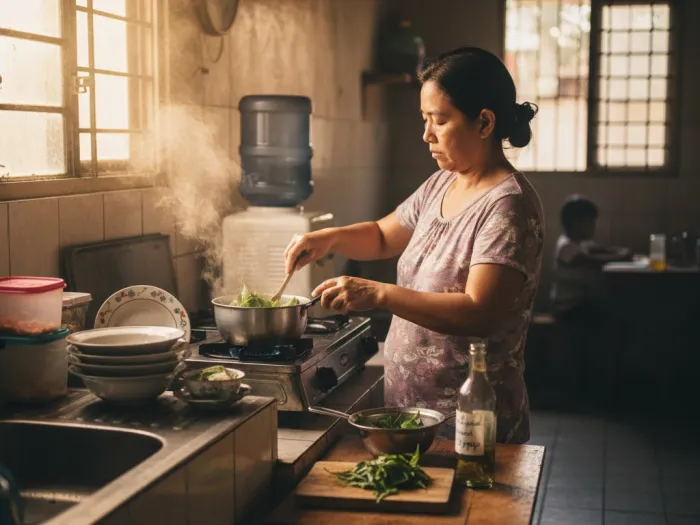
Lagundi is flexible — you can use it fresh, dried, boiled, or in ready-made syrup/tablet form. The key is knowing which preparation works best for your needs. Some Filipinos prefer the traditional nilagang dahon, while others go for the convenience of over-the-counter Lagundi syrups. Here’s a complete guide on how to prepare and use Lagundi safely and effectively.
Using Fresh Lagundi Leaves
Fresh leaves are commonly used for homemade tea or decoction.
- Wash thoroughly to remove dust or dirt
- Crush lightly to release the oils
- Best used within the same day for maximum potency
This is the most traditional form used in many Filipino households.
Lagundi Tea Preparation (Mild Cough & Wellness Use)
Lagundi tea is gentle and soothing, ideal for mild cough, colds, sore throat, or relaxing the chest.
Related Posts



How to prepare Lagundi tea:
- 1 cup of fresh Lagundi leaves or 1 tablespoon dried leaves
- 2–3 cups of water
- Simmer for 10–15 minutes
- Strain and drink warm
When to use:
Best for early symptoms of cough, cold, or when you need mild respiratory support.
Lagundi Decoction (Stronger Traditional Remedy)
A decoction is a stronger, more concentrated brew often used for cough, asthma symptoms, and fever.
How to prepare Lagundi decoction:
- 1 full handful of fresh Lagundi leaves
- 4 cups of water
- Boil until it reduces to half
- Strain and divide into 2–3 doses for the day
When to use:
For moderate cough or when you need stronger relief.
Lagundi Syrup (Over-the-Counter, DOH-Approved)
The most convenient and commonly used form.
- Comes in flavored syrups (grape, orange, menthol)
- Standardized dose
- Safe for kids when following labeled instructions
- Sold in pharmacies nationwide (Ascof, Vitex, etc.)
When to use:
For children, busy adults, or those who prefer accurate dosing.
Lagundi Tablets and Capsules
These provide measured doses ideal for adults.
- Portable and convenient
- Good for workplace or travel
- Works the same way as syrup but without added sugar
When to use:
If you want a no-fuss option without brewing tea.
Preparation Comparison Table
| Form | How It’s Prepared | Best For | Notes |
|---|---|---|---|
| Fresh Leaves (Tea) | Boil leaves 10–15 mins | Mild cough, wellness | Gentle but effective |
| Decoction | Reduce water by half | Moderate cough, asthma | Stronger potency |
| Syrup | Ready-made, measured dose | Kids, everyday use | DOH-approved |
| Tablets/Capsules | Pre-measured | Adults | Convenient for travel |
Lagundi is easy to prepare and highly adaptable, making it one of the Philippines’ most practical herbal remedies — especially during cough-and-colds season.

💊 Proper Lagundi Dosage (Adults & Kids)
Lagundi is safe when taken correctly, but like any herbal medicine, dosage matters. The DOH and PITAHC provide clear guidelines on how much Lagundi you should take depending on your age, health concern, and the form you’re using. Always follow these recommended doses to avoid stomach discomfort or overuse.
DOH & PCHRD Dosage Guidelines
Research-backed Filipino guidelines recommend Lagundi for:
- Cough (productive or dry)
- Mild asthma symptoms
- Fever due to common colds
The dosage varies based on age and preparation type.
Dosage for Adults
- Lagundi Tea: 1 cup, 3 times daily
- Decoction: Divide the reduced mixture into 2–3 equal doses per day
- Syrup: 10 mL (2 teaspoons), every 4–6 hours
- Tablets/Capsules: 300 mg, 1–2 tablets, 3 times daily
Best taken after meals to avoid stomach irritation.
Dosage for Children
Always follow age-appropriate amounts.
Ages 2–4 years
- 2.5 mL syrup (half teaspoon), every 4–6 hours
- Tea/decoction is not recommended unless advised by a doctor
Ages 5–12 years
- 5 mL syrup (1 teaspoon), every 4–6 hours
- Tea can be used mildly but must be diluted
- No tablets/capsules
Ages 12 and above
- Same as adult dosage
Dosage for Fever
- Tea: 1 cup every 6 hours
- Syrup: Follow cough dosage
Fever relief is mild; still monitor body temperature closely.
Recommended Usage Limits
- Do not exceed 7 days of continuous use without doctor evaluation
- If cough persists or worsens, seek medical advice
- Avoid doubling doses if you miss one
- Not a replacement for asthma maintenance inhalers
Lagundi Dosage Table
| Age Group | Tea | Decoction | Syrup | Tablets/Capsules |
|---|---|---|---|---|
| 2–4 yrs | Not advised | Not advised | 2.5 mL | Not allowed |
| 5–12 yrs | Mild, diluted | Mild dose | 5 mL | Not allowed |
| 12+ years | 1 cup 3×/day | 2–3 divided doses | 10 mL | 1–2 tablets 3×/day |
| Adults | 1 cup 3×/day | 2–3 divided doses | 10 mL | 1–2 tablets 3×/day |
Lagundi is safe when used responsibly — the key is following the right amount for your age and symptoms.

⚠️ Side Effects, Safety, and When to Avoid Lagundi
Lagundi is generally safe for most Filipinos when used within the recommended dosage. DOH-approved clinical studies show that side effects are usually mild and temporary. Still, like any herbal medicine, it’s not for everyone — and knowing when to avoid or stop using Lagundi is just as important as knowing its benefits.
Common Mild Side Effects
Most people don’t experience side effects, but when they do, they are usually light and go away quickly:
- Mild stomach discomfort
- Loose stools
- Headache
- Dry mouth
- A slight “heavy” feeling in the stomach
These effects are often due to taking too much tea or decoction in a short period.
Less Common (But Important) Reactions
These are rare, but possible:
- Skin rashes (allergic reaction)
- Itchy throat
- Nausea or vomiting
If these happen, stop using Lagundi immediately.
Who Should Avoid Lagundi
Some groups should not take Lagundi unless advised by a doctor:
Pregnant Women
- Lagundi may stimulate uterine activity
- Best to avoid unless medically recommended
Breastfeeding Mothers
- Not enough safety data
- Consult a doctor before using Lagundi regularly
People With Known Allergies to Verbenaceae Plants
- Includes plants like ilang-ilang, verbena, and lemon verbena
- Watch out for itching, redness, or swelling
People Taking Maintenance Asthma or Heart Medications
- Lagundi may interact with certain drugs
- Always check with your doctor
When to Stop Using Lagundi
Stop immediately and consult a doctor if you experience:
- Breathing difficulty
- Persistent fever
- Cough lasting more than 7 days
- Severe wheezing (asthma attack)
- Chest pain
- Allergic reactions
Lagundi helps with mild asthma — but it’s NOT a replacement for inhalers or emergency medication.
Lagundi Safety Table
| Symptom | What It Means | What to Do |
|---|---|---|
| Mild nausea | Sensitive stomach | Take after meals |
| Loose stools | Strong decoction | Reduce dosage |
| Rashes/itching | Allergy | Stop immediately |
| Worsening cough | Not suitable for condition | Seek medical advice |
| Breathing problems | Asthma complications | Go to doctor/ER |
Lagundi is safe for most Filipinos when used properly, but respecting your body’s limits — and knowing when to stop — is essential for safe herbal healing.
🧩 Lagundi vs Other Herbal Remedies (Sambong, Oregano, Yerba Buena)
Lagundi isn’t the only DOH-recognized herbal remedy in Filipino households, but it is one of the most popular for respiratory symptoms. To help you understand where Lagundi truly shines, here’s how it compares to other well-loved medicinal plants used across the Philippines. Each herb has its own specialty — and knowing the difference helps you choose the right remedy for your condition.
Lagundi vs Sambong
Lagundi is best for:
- Cough (dry or productive)
- Mild asthma
- Colds and respiratory congestion
Sambong is best for:
- Kidney stones (diuretic effect)
- Urinary tract issues
- Water retention
Key difference:
Lagundi works on the lungs, Sambong works on the kidneys.
They treat totally different organs, so one cannot replace the other.
Lagundi vs Oregano
Lagundi: DOH-approved, researched, safe for kids (syrups).
Oregano: Strong-smelling herbal remedy, often used for homemade cough mixtures.
Which is better for cough?
- Lagundi has clinical studies and standardized dosage, making it more reliable.
- Oregano may help mildly, but it’s not recommended for infants and can be too strong for some people.
Verdict: Lagundi is the safer and more consistent choice for respiratory relief.
Lagundi vs Yerba Buena
Lagundi helps with:
- Cough
- Asthma
- Colds
Yerba Buena helps with:
- Stomach aches
- Muscle pain
- Gas and indigestion
- Headaches
These two herbs serve completely different purposes.
If you’re dealing with cough or colds, choose Lagundi.
If you need pain relief or stomach comfort, Yerba Buena is the better pick.
Herbal Comparison Table
| Herb | DOH-Approved Use | Best For | Not Recommended For |
|---|---|---|---|
| Lagundi | Cough & asthma | Respiratory relief | Kidney conditions |
| Sambong | Kidney stones | Urinary issues, diuretic | Cough/colds |
| Oregano | (Not DOH-approved) | Mild cough (home remedy) | Infants, sensitive stomach |
| Yerba Buena | Pain relief | Stomach aches, muscle pain | Respiratory issues |
Lagundi stands out because it is one of the few clinically supported and standardized herbal remedies specifically for respiratory health, giving it a dependable edge over others.
🧾 DOH-Approved Lagundi Products You Can Buy in the Philippines
Lagundi is widely available across the Philippines, not just as fresh leaves or homemade tea, but also in standardized, DOH-approved formulations that guarantee proper dosage and safety. These commercial products are especially helpful for parents, busy adults, and anyone who prefers accurate dosing without the need to boil leaves. Here are the most common and trusted Lagundi products you’ll find in local pharmacies.
Lagundi Syrups (For Kids & Adults)
Lagundi syrups are the most popular form, especially for children. These are standardized preparations with clear dosing instructions.
- Ascof Lagundi Syrup – widely available, sugar-free options
- Vitex Lagundi Syrup – generic but effective
- Herbanext Lagundi Syrup – natural formulation
- Majority available in grape, orange, or menthol flavors
Best for:
Kids, adults who prefer liquid over tablets, and mild to moderate cough.
Lagundi Tablets
Tablets are convenient and easy to carry, making them a great option for working adults.
- Typically available in 300 mg doses
- Accurate, easy-to-follow dosage
- Ideal for older teens and adults
- Widely available in generic and branded options
Best for:
Adults with persistent cough or those who prefer capsules over syrup.
Lagundi Capsules
Similar to tablets but easier to swallow.
- Usually in 300 mg herbal extract form
- Ideal for adults who dislike the taste of syrup or tea
- Portable and long shelf-life
Best for:
Travelers, working professionals, and regular use.
Lagundi Tea Bags (Less Common but Available)
Some herbal brands offer Lagundi in dried tea bag form.
- Convenient alternative to boiling leaves
- Good for wellness use or mild cough
- Usually blended with other herbs
Best for:
Tea drinkers who want a milder, natural daily herbal drink.
How to Spot Legit Lagundi Products
- Check for DOH/PITAHC approval on label
- Look for a clear dosage chart
- Avoid products with no manufacturer details
- Buy only from reputable pharmacies or online shops with strong reviews
- Watch out for extremely cheap herbal syrups — often unregulated
Lagundi Product Comparison Table
| Product Type | Best For | Typical Price Range | Notes |
|---|---|---|---|
| Syrup | Kids & adults | ₱100–₱180 | Most common, DOH-approved |
| Tablets | Adults | ₱120–₱180 | Ideal for moderate cough |
| Capsules | Adults | ₱150–₱220 | Easy to swallow |
| Tea Bags | Wellness use | ₱80–₱150 | Mild effect |
Lagundi’s wide availability makes it one of the most accessible and trustworthy herbal options in the country — perfect for families who want safe, DOH-recognized alternatives.
❓ Frequently Asked Questions About Lagundi (10 FAQs)
• Is Lagundi really effective for cough?
Yes, Lagundi is clinically proven and DOH-approved for relieving cough caused by colds, mild bronchitis, and respiratory irritation. Its natural bronchodilator effect helps open the airways, making it easier to breathe. Many Filipinos find it effective within a few days of consistent use. If cough lasts more than 7 days, consult a doctor.
• Can children take Lagundi safely?
Yes, but only in syrup form and at the correct dosage based on age. Children ages 2–4 should take only 2.5 mL every 4–6 hours, while ages 5–12 can take 5 mL. Tea and decoction are not recommended for toddlers unless a pediatrician approves it. Always read the label of commercial syrups before giving them to kids.
• How often should adults take Lagundi?
Adults can take Lagundi 2–3 times per day depending on the form. Tea can be consumed 3× daily, while syrup and tablets are taken every 4–6 hours. Taking it after meals helps prevent stomach upset. Avoid using it longer than 7 days without medical advice.
• Is Lagundi safe for pregnant or breastfeeding women?
No. Lagundi is not recommended for pregnant women because it may stimulate uterine activity. Breastfeeding mothers should also avoid it unless a doctor specifically approves its use. The lack of strong safety studies means it’s better to err on the side of caution.
• Can Lagundi help with asthma?
Lagundi can help ease mild asthma symptoms like coughing or chest tightness because it has bronchodilating effects. However, it should never replace asthma maintenance meds or rescue inhalers. If asthma symptoms worsen, go straight to your doctor or emergency room.
• What’s the difference between Lagundi tea and decoction?
Tea is milder and great for early symptoms or general wellness. Decoction is much stronger because it uses more leaves and longer boiling time. Most people take tea for mild cough and decoction for moderate symptoms. Tea is gentler on the stomach too.
• Are there side effects to using Lagundi?
Side effects are usually mild: slight stomach discomfort, loose stools, or headache. These typically happen if the dose is too strong or taken too often. More serious reactions like rashes or difficulty breathing require immediate medical attention.
• Can I drink Lagundi with other medications?
Lagundi generally works well with over-the-counter cold meds, but caution is needed if you’re taking maintenance drugs for asthma, heart issues, or blood pressure. Some ingredients may interact subtly. To be safe, ask your doctor before mixing Lagundi with long-term medications.
• How long does it take for Lagundi to work?
Most people feel relief within 2–3 days, especially for cough and congestion. Consistency matters — regular dosing leads to better results. If there’s no improvement after a week, it may not be the right remedy for your condition.
• Can Lagundi be used daily for wellness?
Lagundi is best for short-term use when symptoms like cough or colds appear. Daily long-term use isn’t recommended unless guided by a health professional. For wellness teas, it’s better to rotate herbs instead of relying on Lagundi alone every day.

🌟 Why Lagundi Still Matters for Filipino Families Today
In every Filipino home, there’s always that one remedy you return to when someone starts coughing or complaining of sipon. Lagundi has been that dependable companion for generations — simple, accessible, and rooted in our culture of caring for one another. And even now, with modern medicine everywhere, Lagundi remains relevant because it offers something familiar and comforting. It’s nature helping us breathe a little easier.
But the real strength of Lagundi isn’t just its healing benefits; it’s how it reminds us to slow down, listen to our bodies, and choose what feels right for our health. Whether you’re brewing tea in the kitchen, giving syrup to your child, or taking tablets on a busy workday, you’re doing something mindful. Small steps, but meaningful ones.
So the next time a cough or cold hits, you’ll know exactly how to use Lagundi safely and effectively — and you’ll feel more confident choosing the right form and dosage for your family. Healing doesn’t have to be complicated. Sometimes, the simplest remedies are the ones that stay with us the longest.