


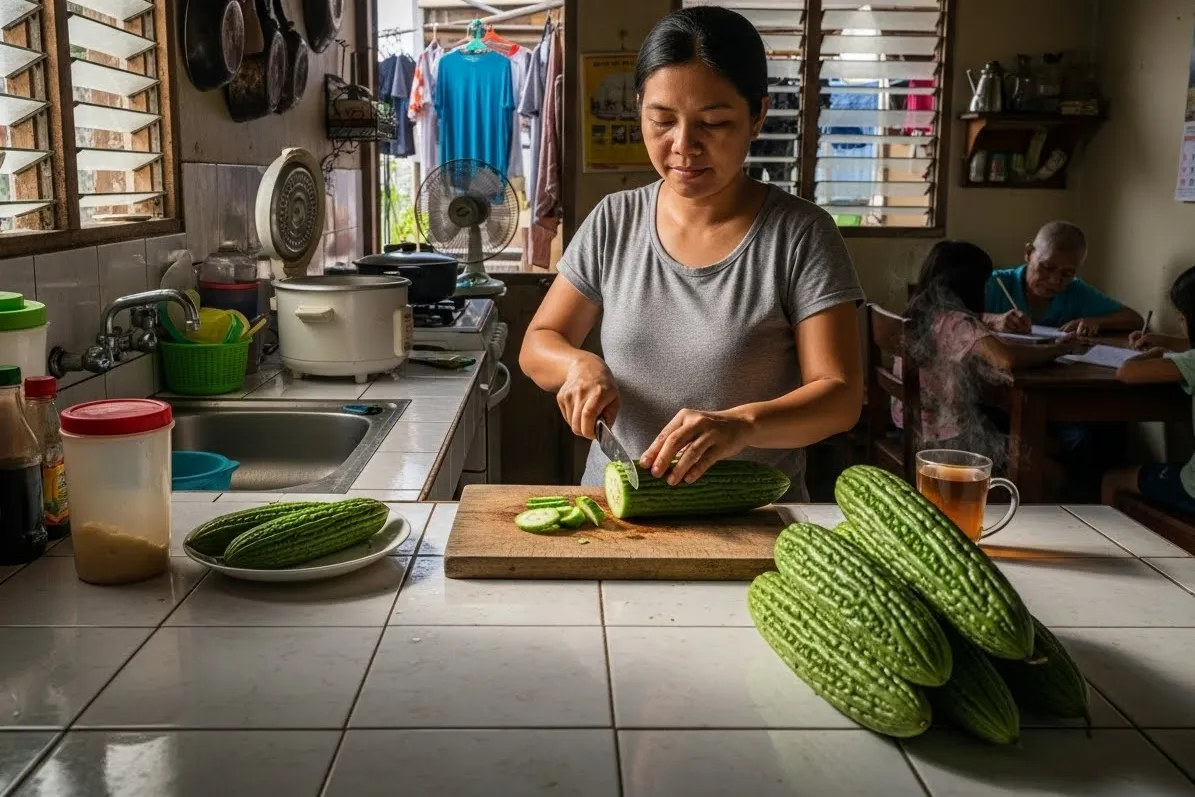

If you grew up in a Filipino household, you’ve probably heard this line more than once: “Kumain ka ng Ampalaya, pampababa ng sugar.” And honestly… most of us just rolled our eyes. Ampalaya is bitter, uninviting, and unfairly placed beside tastier gulay. But as the years go by — and as many of us start seeing our parents, titos, titas, or even ourselves struggle with high blood sugar — suddenly the question hits differently.
- 🧪 What Makes Ampalaya Unique for Blood Sugar Control?
- 🩸 So… Can Ampalaya Really Lower Blood Sugar?
- 🍽 When Ampalaya Works Best (Timing, Lifestyle, and Food Pairing)
- 💚 Proven Health Benefits of Ampalaya for Metabolic Health
- 🥤 How to Prepare Ampalaya for Blood Sugar Support
- 💊 Proper Ampalaya Dosage (Fresh, Tea, Capsules, Extracts)
- ⚠️ Side Effects & Risks: When Ampalaya Can Be Dangerous
- 🛒 Ampalaya Supplements in the Philippines (Tea, Capsules, Extracts)
- ❓ Frequently Asked Questions About Ampalaya (10 FAQs)
- 🌟 A Small Step Toward Better Health — The Power of Bitterness
Can Ampalaya really help lower blood sugar?
Is it just a lola remedy, or does science actually back it up?
With diabetes and pre-diabetes becoming so common in Filipino families, it’s no surprise why so many people turn to this humble, brutally bitter vegetable. The DOH recognizes Ampalaya as a medicinal plant for diabetes support, and research shows it contains compounds that act similar to insulin — helping your cells absorb sugar more efficiently. Hindi siya magic. Pero hindi rin siya basta-basta.
This guide breaks everything down in a simple, no-nonsense way: the science, the benefits, the right preparation, safe dosage, and when Ampalaya actually works best. If you or someone you love is trying to manage blood sugar naturally, you’re in the right place. Let’s get into it.
🧪 What Makes Ampalaya Unique for Blood Sugar Control?
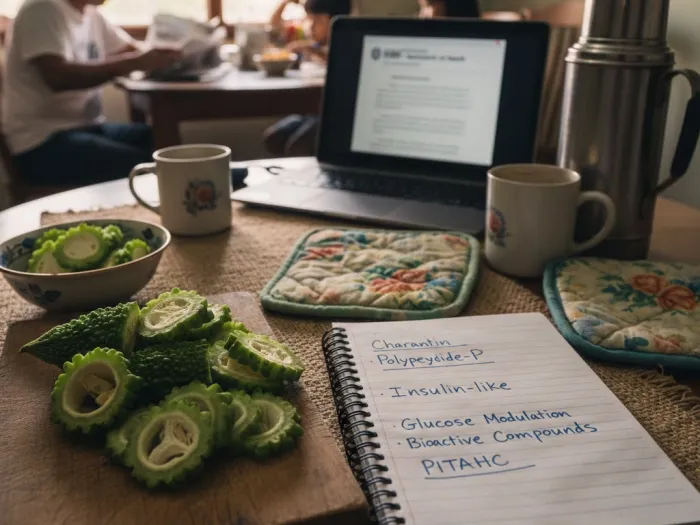
Most vegetables are healthy, sure — but Ampalaya is different. It’s one of the few gulay in the Philippines with bioactive compounds that directly affect blood sugar, which is why both the DOH and international studies highlight its potential for diabetes management. Hindi lang siya “healthy vegetable”; it has properties similar to mild, natural insulin.
The Key Compounds Behind Ampalaya’s Blood Sugar Effect
Scientists have identified three major components that make Ampalaya powerful for glucose control:
Charantin
A plant steroid shown to help lower blood glucose by increasing glucose uptake in the cells.
Polypeptide-p
A compound with insulin-like activity, sometimes referred to as “plant insulin.” It helps reduce blood glucose especially in mild to moderate diabetic cases.
Vicine & Momordicin
These support improved carbohydrate metabolism, helping your body manage sugar more efficiently.
Together, these compounds explain why many Filipinos — from doctors to barangay health workers — consider Ampalaya a reliable natural support for high blood sugar.
Why Filipinos Trust Ampalaya for Diabetes Support
Aside from tradition, there are practical reasons why many Pinoys use Ampalaya:
- It’s accessible and affordable.
- It’s DOH-recognized for diabetes support.
- It can be taken as food, tea, capsules, or juice.
- It works best for pre-diabetes and early-stage high blood sugar.
- It boosts the effect of lifestyle changes like better diet and walking.
When combined with healthy habits, Ampalaya can help stabilize sugar spikes and improve overall metabolic health.
Table: Active Compounds of Ampalaya
| Compound | Main Function | Effect on Blood Sugar |
|---|---|---|
| Charantin | Increases glucose uptake | Helps lower sugar levels |
| Polypeptide-p | Acts like natural insulin | Reduces blood glucose |
| Vicine | Improves carb metabolism | Helps control sugar spikes |
| Momordicin | Anti-inflammatory effect | Supports metabolic balance |
These compounds are the scientific backbone of Ampalaya’s blood sugar benefits — something no other common Filipino vegetable can match.
🩸 So… Can Ampalaya Really Lower Blood Sugar?
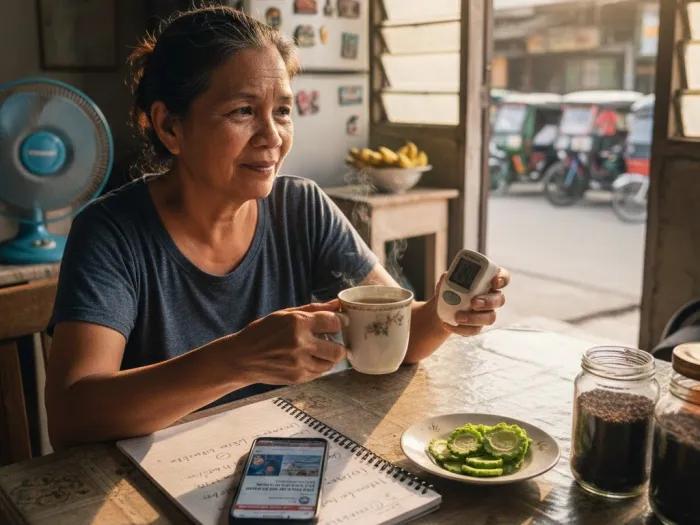
This is the question every Filipino wants a straight answer to. And thankfully, we now have enough research — including DOH-backed findings — to say this clearly:
Yes, Ampalaya can help lower blood sugar… but only to a certain extent, and not in all situations.
It’s effective, but not magical. Helpful, but not a replacement for medication. Think of Ampalaya as a natural assistant for your pancreas, not a cure.
What the Science Actually Shows
Multiple studies in the Philippines and abroad found that Ampalaya:
- Helps reduce fasting blood sugar
- Improves glucose tolerance
- Enhances insulin sensitivity
- Lowers post-meal sugar spikes
- Works best for pre-diabetes and mild type 2 diabetes
However, most experts agree:
Its effect is mild to moderate — not strong enough for severe diabetes.
Studies on Filipino Patients
Local clinical trials found that Ampalaya extracts can significantly lower fasting blood sugar in:
- Overweight adults
- People with pre-diabetes
- Newly diagnosed type 2 diabetics
- Individuals with high sugar due to poor diet
But for long-term diabetics already on insulin, the effect is noticeably less dramatic.
Who Benefits the Most
Ampalaya is ideal for:
Related Posts



- Pre-diabetics
- People with family history of diabetes
- Filipinos with unhealthy eating patterns
- Adults with borderline fasting blood sugar
- Those trying to manage sugar naturally alongside lifestyle changes
Not ideal for:
- Uncontrolled diabetics
- People with very high A1C levels
- Anyone relying on Ampalaya instead of medication
What Ampalaya CAN Do
- Reduce mild to moderate blood sugar levels
- Support glucose control alongside diet and exercise
- Help prevent sugar spikes after meals
- Improve metabolic health over time
What Ampalaya CANNOT Do
- Replace insulin
- Cure diabetes
- Fix high blood sugar overnight
- Control advanced or complicated diabetes
Ampalaya is powerful as part of a holistic sugar-management strategy, not as the only solution.

🍽 When Ampalaya Works Best (Timing, Lifestyle, and Food Pairing)
Ampalaya can definitely help with blood sugar management, but when and how you take it makes a huge difference. Many Filipinos think you can just drink Ampalaya tea anytime or eat it randomly and expect miracles. Pero hindi ganoon. Ampalaya works best when used strategically — aligned with meals, timing, and daily habits.
Best Time to Take Ampalaya
Research and clinical experience show that Ampalaya is most effective when taken:
Before Meals (30 minutes)
- Helps reduce post-meal sugar spikes
- Gives your body a head start on glucose regulation
Great for: Ampalaya juice, capsules, teas.
With Meals
- Works well if you’re eating carbs (rice, bread, noodles)
- Helps slow down sugar absorption
This is where cooked Ampalaya dishes shine.
Morning Intake
- Helps regulate glucose throughout the day
- Prevents mid-morning sugar spikes
- Supports better appetite control
Pairing Ampalaya with the Right Foods
Ampalaya works even better when paired with:
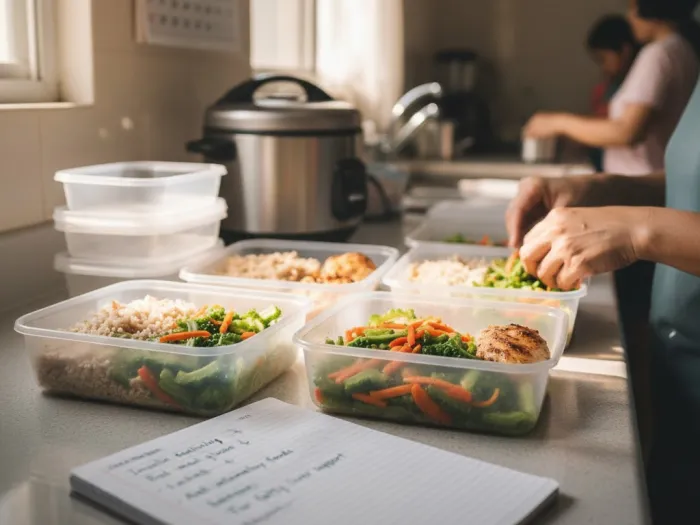
- High-fiber foods (gulay, oats, kangkong)
- Lean protein (chicken, fish, tofu)
- Low-GI carbs (brown rice, kamote)
Foods to avoid pairing with Ampalaya:
- Sweetened drinks
- Desserts
- Heavy white rice meals
- Processed snacks
Remember: Ampalaya helps, but it won’t cancel out sugary cravings or instant noodles.
Combine Ampalaya with Daily Activity
Even light movement boosts the effect of its blood sugar compounds.
Best combos:
- Ampalaya before breakfast + 20-minute brisk walk
- Ampalaya tea with a light dinner + stretching
- Ampalaya dish for lunch + afternoon steps goal
Small habits help your body use sugar more effectively.
Table: Best Timing for Ampalaya
| Ampalaya Form | Best Timing | Why It Works |
|---|---|---|
| Juice | 30 mins before meals | Strongest glucose-lowering effect |
| Tea | Morning or before lunch | Reduces midday sugar spikes |
| Capsules | Before breakfast & dinner | Convenient & consistent dosing |
| Cooked Dish | With meals | Slows sugar absorption |
Ampalaya isn’t just about taking something — it’s about using it at the right moment, with the right food, and the right habits.
💚 Proven Health Benefits of Ampalaya for Metabolic Health
Most Filipinos know Ampalaya for one thing: pampababa ng sugar. But this vegetable does more than help manage blood glucose. Because of its unique mix of antioxidants, plant steroids, and insulin-like compounds, Ampalaya supports your entire metabolic system. Think of it as a natural booster that helps your body handle sugar, fat, and inflammation more efficiently.
Improves Insulin Sensitivity
Ampalaya helps your cells respond better to insulin, allowing glucose to enter more easily. This is especially helpful for people with pre-diabetes or early insulin resistance. Over time, better insulin sensitivity means fewer glucose spikes and more stable energy levels.
Helps Manage Weight and Appetite
Bitter foods like Ampalaya naturally reduce appetite, which can lead to lower calorie intake. Its fiber content also slows digestion, helping control cravings. For Filipinos trying to lose weight or manage belly fat, regularly eating Ampalaya dishes can help.
Reduces Post-Meal Sugar Spikes
One of Ampalaya’s strongest effects is its ability to minimize the sharp rise in blood sugar after eating rice, bread, or sweets. This matters because repeated spikes are what damage the pancreas over time.
Supports Liver Function
Ampalaya contains compounds that help the liver process fats and toxins more efficiently. Many Filipinos with fatty liver or borderline high sugar benefit from the vegetable’s detoxifying effect.
Anti-Inflammatory Benefits
Chronic inflammation is linked to diabetes, high cholesterol, and obesity. Ampalaya’s natural antioxidants help reduce inflammation in the blood vessels and organs, supporting long-term health.
Improves Digestion and Gut Health
Bitter vegetables stimulate digestive enzymes. Ampalaya helps regulate bowel movement, reduce bloating, and improve gut efficiency — which indirectly supports blood sugar control.
Supports Overall Metabolic Balance
A healthier metabolism means more consistent energy, better fat-burning capability, and reduced risk of diabetes complications. Ampalaya encourages this balance naturally when taken consistently.
Table: Key Metabolic Benefits
| Benefit | How It Helps | Best Ampalaya Form |
|---|---|---|
| Better insulin sensitivity | Cells absorb glucose easier | Capsules, juice |
| Lower post-meal spikes | Prevents glucose surges | Tea, cooked dishes |
| Weight control | Reduces appetite, slows digestion | Stir-fried Ampalaya |
| Liver support | Helps process fats and toxins | Juice, extracts |
| Anti-inflammatory | Reduces chronic inflammation | Tea, powder |
| Improved digestion | Better enzyme activity | Cooked dishes |
Ampalaya’s benefits go way beyond sugar — it’s a full metabolic support vegetable that fits naturally into the Filipino diet.
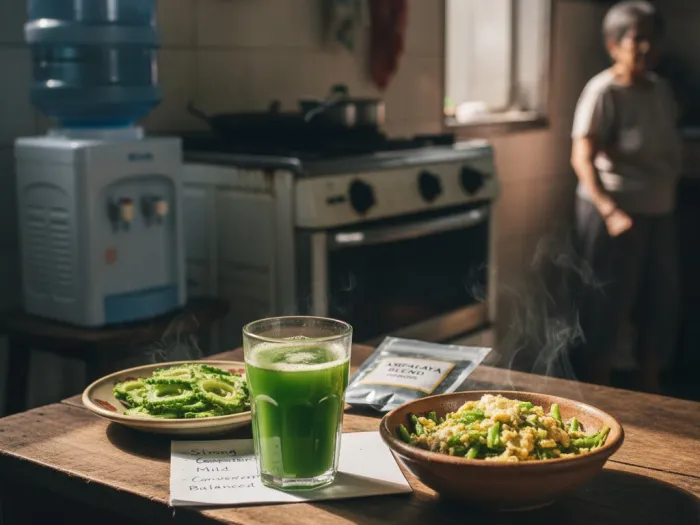
🥤 How to Prepare Ampalaya for Blood Sugar Support
Ampalaya can be taken in many forms, but not all preparations are equal. Some are stronger, some are milder, and some are best for everyday maintenance. The key is choosing the form that matches your blood sugar needs and your lifestyle. Here’s how to prepare Ampalaya the right way — Filipino-style but backed by science.
A. Ampalaya Juice (Strongest Effect for Sugar Control)
This is the method most associated with lowering blood sugar because it delivers the plant’s insulin-like compounds in concentrated form.
How to Prepare
- Wash 1 medium Ampalaya.
- Slice lengthwise and remove seeds.
- Soak in water for 3 minutes if you want to reduce bitterness.
- Blend with ½ cup water.
- Strain and drink immediately.
Pros
- Strongest blood sugar effect
- Fast absorption
- Great for pre-diabetes or high fasting sugar
Cons
- Extremely bitter
- May cause stomach discomfort for beginners
B. Ampalaya Tea (Gentle, Good for Daily Use)
A calmer, easier way to consume Ampalaya, ideal for maintenance.
How to Prepare
Fresh slices:
- Boil 1 liter of water
- Add a handful of thinly sliced Ampalaya
- Simmer 10 minutes, strain
Dried slices:
- Steep 1–2 tablespoons in hot water for 5–7 minutes
Best For:
- Mild high sugar
- Daily prevention
- People who can’t tolerate juice
C. Cooked Ampalaya Dishes (Everyday Blood Sugar Support)
Classic Filipino dishes can still help regulate sugar, just milder than juices or teas.
Popular options:
- Ginisang Ampalaya with egg
- Ampalaya with sardines
- Ampalaya with tofu
- Ensaladang Ampalaya (raw, thinly sliced)
These dishes work because cooking softens bitterness while preserving active compounds.
Tip: Keep cooking simple. Avoid sugary sauces that cancel out the benefits.
D. Ampalaya Powder & Extracts (Convenient Modern Option)
These are increasingly common in Philippine markets, especially for busy workers or seniors.
Forms Available
- Powder drinks
- Capsules
- Extracts
- Ready-to-drink bottles
These give consistent dosing without needing to prepare anything.
Preparation Comparison Table
| Preparation | Strength | Best For | Notes |
|---|---|---|---|
| Juice | ★★★★★ | High fasting sugar | Strongest but bitter |
| Tea | ★★★★☆ | Daily maintenance | Gentle on stomach |
| Cooked dishes | ★★★☆☆ | Everyday diet | Easiest to sustain |
| Powder/Extracts | ★★★★☆ | Busy lifestyle | Convenient, consistent |
Ampalaya can fit into almost any routine. You just need the right form for your daily habits and sugar levels.
💊 Proper Ampalaya Dosage (Fresh, Tea, Capsules, Extracts)
Ampalaya is powerful, especially for blood sugar support, but only when the dosage is right. Too little and you won’t feel much effect. Too much and you risk stomach irritation or even hypoglycemia (low blood sugar). Here’s the safe, practical, and DOH-aligned dosing guide for Filipinos using Ampalaya for pre-diabetes, diabetes support, or everyday maintenance.
General Rule of Thumb
Ampalaya works best when taken consistently, in moderate amounts, and ideally alongside lifestyle changes like improved diet and daily walking.
Dosage for Fresh Ampalaya Juice
This is the strongest form, so go slowly if you’re new.
- Beginners:
1–2 tablespoons daily for the first 3 days - Regular intake:
¼ cup once daily - Maximum:
½ cup per day (not more)
Warning: Do not take juice on an empty stomach if you have acid reflux or gastric sensitivity.
Dosage for Ampalaya Tea
Milder and easier to digest.
- Fresh slices:
1 cup, 1–2 times daily - Dried slices or teabags:
1 cup, up to 2–3 times daily
Tea is ideal for those with mild sugar concerns or for daily maintenance.
Dosage for Cooked Ampalaya (Dishes)
Because the potency is gentler:
- ½ to 1 cup cooked Ampalaya 2–3 times per week
- Daily intake is safe but effects are mild
This works best for long-term metabolic support.
Dosage for Capsules / Extracts
Most Filipino supplement brands follow DOH/PITAHC guidance.
Typical dosing:
- Capsules (250 mg–500 mg):
1 capsule 2–3 times daily before meals - Extracts / Powders:
Follow label instructions, usually once or twice daily
Capsules offer the most consistent dose and are widely used by diabetics.
Dosage for Pre-Diabetes
- Tea once or twice daily
- OR
- Capsules 1–2 times daily
- Cooked Ampalaya as part of weekly meals
This mild approach helps stabilize borderline sugar levels.
Dosage for Type 2 Diabetes (Adjunct Use)
- Tea 2–3 times daily
- OR
- Capsules 2–3 times daily
- Never exceed recommended dose if taking metformin or glimepiride
Important: Ampalaya should complement medication, not replace it.
When to Avoid Ampalaya
Do not take or limit dosage if:
- You have hypoglycemia or unstable blood sugar
- You’re pregnant or breastfeeding
- You’re taking insulin or sulfonylureas without doctor approval
- You have G6PD deficiency (rare concern but relevant)
Ampalaya Dosage Summary Table
| Form | Recommended Dose | Notes |
|---|---|---|
| Juice | ¼ cup daily | Strongest effect, very bitter |
| Tea | 1 cup 1–3×/day | Great for daily maintenance |
| Cooked | ½–1 cup, 2–3×/week | Mild but sustainable |
| Capsules | 1 cap 2–3×/day | Consistent, convenient |
| Extracts/Powder | 1–2×/day | Follow label instructions |
Ampalaya is like any natural remedy: consistency beats intensity. The right dose taken regularly is far more effective than occasional strong doses.
⚠️ Side Effects & Risks: When Ampalaya Can Be Dangerous
Ampalaya is natural, accessible, and DOH-recognized — but it’s not completely harmless. Because it affects blood sugar and digestion, there are situations where Ampalaya can cause discomfort, drop your sugar too low, or interact with medications. Knowing the risks helps you use it wisely and safely.
Hypoglycemia (Low Blood Sugar)
This is the most important risk. Ampalaya lowers blood sugar, so when combined with diabetes medications (like metformin, insulin, or sulfonylureas), it can push levels too low.
Symptoms include:
- Trembling
- Dizziness
- Hunger pangs
- Cold sweats
- Weakness
- Confusion
If this happens, eat something sweet immediately and stop Ampalaya until you consult your doctor.
Digestive Discomfort
Ampalaya’s bitterness can irritate the stomach for some people.
Possible issues:
- Hyperacidity
- Diarrhea
- Cramping
- Nausea
Juice is the strongest trigger, especially on an empty stomach. Tea and cooked dishes are gentler.
Pregnancy & Breastfeeding Risks
Ampalaya is not recommended for pregnant or breastfeeding women. Compounds in the plant may affect uterine muscles and blood sugar levels, and safety studies remain limited.
Interaction With Diabetes Medication
Ampalaya can enhance the effect of:
- Metformin
- Insulin
- Glimepiride / Gliclazide
- Other glucose-lowering drugs
This can cause dangerous sugar drops if unmonitored. Always coordinate with a doctor if you’re already on medication.
G6PD Deficiency (Rare Concern)
Some experts advise caution for those with G6PD deficiency because certain plant compounds might trigger issues, though evidence is limited. Better to consult your physician.
Allergic Reactions (Rare)
Watch for:
- Itching
- Mild rashes
- Swelling of lips or throat
Stop immediately if these occur.
Children’s Safety
Ampalaya can be too strong for young children, especially in juice or capsule form.
Safe guideline:
- Under 7: Avoid
- 7–12: Very small amounts, cooked form only
- 13+: Adult forms allowed with caution
Side Effects Table
| Side Effect | Possible Cause | What To Do |
|---|---|---|
| Low blood sugar | Strong dose + diabetes meds | Eat sweets; stop temporarily |
| Stomach upset | Juice too strong | Reduce dose, take with meals |
| Diarrhea | Sensitivity to bitterness | Switch to tea or cooked form |
| Nausea | Empty stomach intake | Drink tea instead |
| Rash/allergy | Plant sensitivity | Stop immediately |
| Weakness | Hypoglycemia | Check blood sugar |
Ampalaya is helpful but needs respect — especially if you have diabetes or are taking medication. Understanding the risks keeps you safe while maximizing the plant’s benefits.
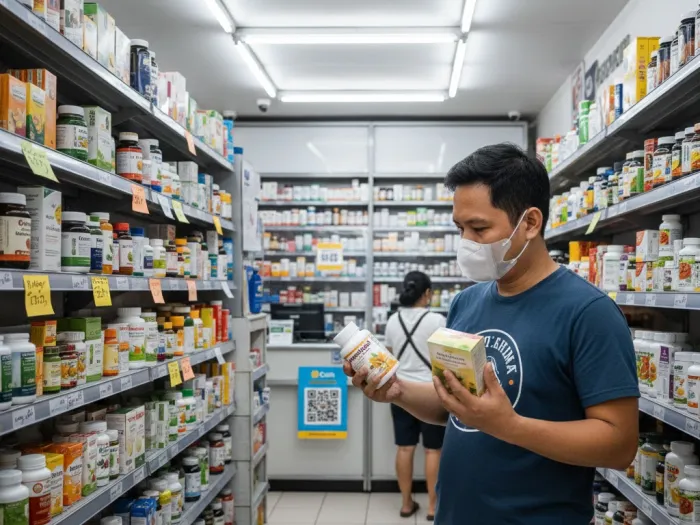
🛒 Ampalaya Supplements in the Philippines (Tea, Capsules, Extracts)
Ampalaya isn’t just a gulay on the table anymore. Because diabetes and pre-diabetes are so common among Filipinos, the market is now full of Ampalaya-based supplements designed specifically for blood sugar support. These products give you consistent dosing, less bitterness, and reliable potency compared to home-prepared juice or tea — perfect for busy workers, seniors, and anyone who prefers convenience.
Ampalaya Capsules (Most Popular Choice)
Capsules are the most widely used form for sugar control because they deliver a standardized extract.
Why Filipinos choose capsules:
- No bitterness
- Consistent dosage
- Easy to take before meals
- Ideal for pre-diabetes and mild diabetes
Typical strength:
- 250 mg to 500 mg per capsule
Brands commonly found in PH drugstores:
- BitterGo (Ampalaya + Banaba)
- ATC Ampalaya Capsules
- Natural Health Ampalaya Extract
- Generics Pharmacy Ampalaya supplements
This is the best option for people who want predictable effects without preparing anything.
Ampalaya Tea (Gentle, Good for Daily Maintenance)
Tea is perfect for those who want steady maintenance with a milder effect.
Benefits:
- Good for daily blood sugar support
- Helps with digestion
- Relaxing before or after meals
- Affordable
Comes in:
- Pure dried Ampalaya slices
- Ampalaya tea bags
- Ampalaya blended with Banaba or Turmeric
Great for adults who prefer a gentler, soothing approach to sugar control.
Ampalaya Powder & Extract Drinks
These are modern options for people who want faster absorption without the bitterness of raw juice.
Forms available:
- Instant powder drinks
- Liquid extracts
- Ready-to-drink bottles
Advantages:
- Mild to moderate potency
- Convenient for work or travel
- Sometimes combined with ginger, turmeric, or probiotics
These are excellent for adults who dislike capsules but want a stronger effect than tea.
Ampalaya-Based Juice Blends
These are sweetened functional drinks that include Ampalaya extract.
They’re not as potent but good for beginners who want a softer introduction.
Best for:
- Pre-diabetes
- Mild sugar fluctuations
- People transitioning to stronger forms later
How to Check if a Supplement Is Legit
Always check for:
- FDA or DOH approval
- Clear ingredient list
- Dosage instruction label
- Manufacturer’s name and address
- Expiration date and batch number
- No exaggerated “miracle cure” claims
Avoid extremely cheap, unlabeled “Ampalaya capsules” sold online — many are unregulated.
Comparison Table: Ampalaya Products in PH
| Product Type | Strength | Best For | Price Range |
|---|---|---|---|
| Capsules | ★★★★☆ | Pre-diabetes, type 2 support | ₱150–₱350 |
| Tea | ★★★☆☆ | Daily maintenance | ₱80–₱200 |
| Powder/Extract | ★★★★☆ | Busy lifestyles | ₱120–₱300 |
| Juice Blends | ★★☆☆☆ | Beginners | ₱40–₱80 |
Ampalaya supplements make blood sugar management easier and more consistent, especially when paired with healthy diet changes and movement.
❓ Frequently Asked Questions About Ampalaya (10 FAQs)
• Can Ampalaya really lower blood sugar?
Yes, Ampalaya contains compounds like charantin and polypeptide-p that help improve insulin sensitivity and lower blood sugar levels. Studies show it works best for pre-diabetes and mild type 2 diabetes. While it can support glucose control, it should never replace prescribed medication. Think of it as an additional tool, not the main treatment.
• Is Ampalaya enough to manage diabetes on its own?
No. Ampalaya can help support diabetes management, but it cannot fully control moderate to severe diabetes on its own. It works best when paired with medication, diet changes, and daily activity. If your A1C is high, you should follow your doctor’s treatment plan.
• What’s the best way to take Ampalaya for blood sugar control?
Ampalaya juice is the strongest, while capsules offer consistent dosing without bitterness. Tea provides gentle, daily support, and cooked dishes help long-term metabolic health. Choose the method that matches your sugar levels and lifestyle.
• How long before Ampalaya starts working?
Some people notice improvements in their fasting sugar within 1–2 weeks of daily intake. For others, especially those with long-standing diabetes, it may take a month or more. Consistency matters more than the form you take.
• Can I take Ampalaya with metformin or other diabetes medications?
Yes, but do it carefully. Ampalaya can enhance the effect of glucose-lowering medications, which may lead to hypoglycemia. If you’re on metformin, insulin, or sulfonylureas, start with a mild dose and monitor your sugar closely.
• Is Ampalaya safe for pregnant or breastfeeding women?
Ampalaya is not recommended during pregnancy or breastfeeding because of its potent effects on blood sugar and the lack of safety studies. Stick to approved prenatal supplements unless your doctor advises otherwise.
• Can children take Ampalaya for sugar control?
Children under 7 should avoid strong forms like juice or capsules. Kids 7–12 may take small amounts of cooked Ampalaya dishes. Teenagers can take tea or cooked forms, but capsules should still be used with caution.
• What are the common side effects of Ampalaya?
The most common side effects are stomach discomfort, diarrhea, nausea, and occasional dizziness. These usually happen when you take too much or drink the juice on an empty stomach. Reducing the dosage or switching to tea usually helps.
• Who should avoid taking Ampalaya?
People with low blood sugar, those prone to hypoglycemia, pregnant women, breastfeeding mothers, and individuals taking strong insulin should avoid Ampalaya unless supervised by a doctor. Anyone with G6PD deficiency should use it cautiously.
• Can Ampalaya help with weight loss?
Ampalaya can support weight loss by reducing appetite, improving digestion, and helping regulate metabolism. While not a magic slimming food, it can be a powerful addition to a calorie-controlled diet paired with regular walking or exercise.
🌟 A Small Step Toward Better Health — The Power of Bitterness
Managing blood sugar is tough. It affects your energy, your mood, your routines — even the simple joy of sharing meals with family. And yet here we are, turning to a vegetable most of us avoided growing up because of its bitterness. Funny how life works, no? What used to feel like punishment on the plate now feels like protection.
Ampalaya isn’t a miracle cure, but it is a reminder that small, consistent choices can change the direction of your health. A cup of tea, a few slices in your ulam, a capsule before meals — they seem simple, but they stack up over time. Paunti-unti, gumagaan ang pakiramdam. Paunti-unti, bumababa ang risk. These tiny habits add up, especially when done with intention.
So whether you’re working on pre-diabetes, supporting a loved one with high sugar, or simply trying to live a little healthier than yesterday, know this: you’re already moving in the right direction. One bitter bite at a time. One better habit at a time. And that’s more than enough to start changing your story.