


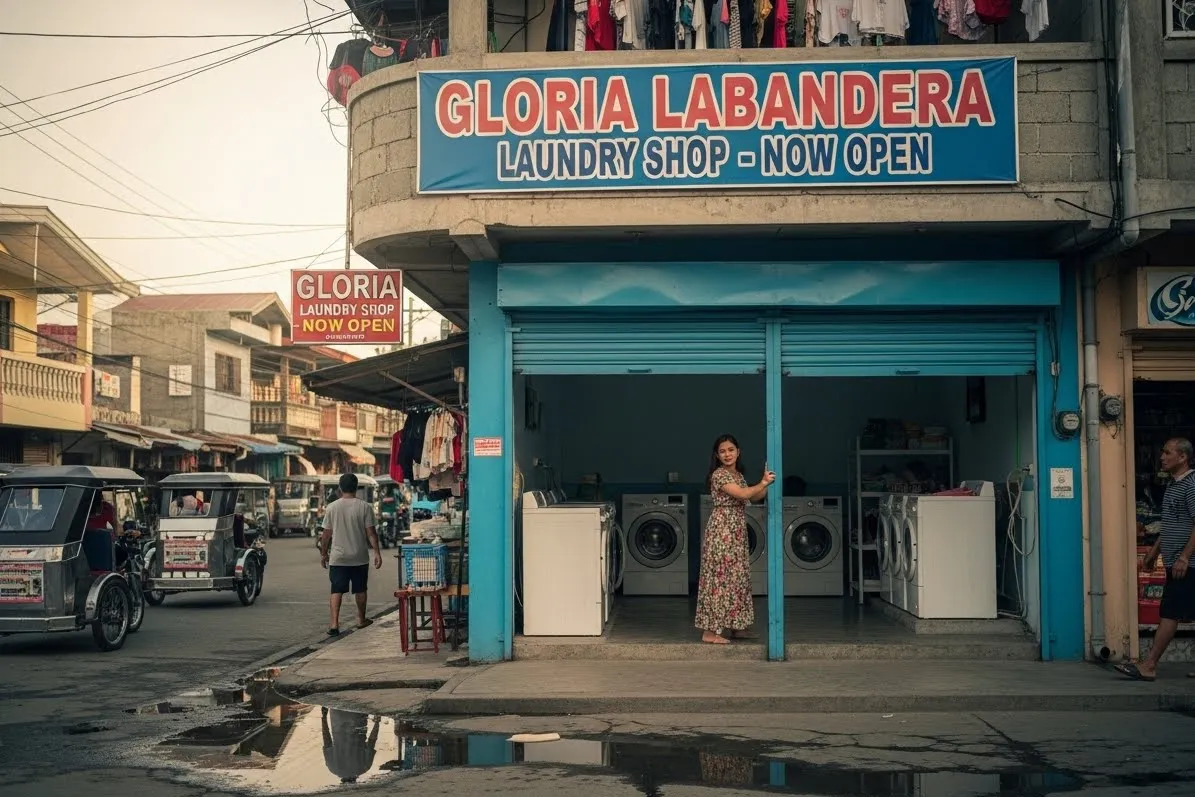

Doing laundry is one of those chores everyone hates but no one can escape. And with life getting busier, condos getting smaller, and more people renting rooms without washing machines, laundry shops have quietly become one of the most in-demand neighborhood businesses in the Philippines. Every day, rain or shine, people need clean clothes. Hindi puwedeng i-delay. That’s why laundry shops continue to thrive — steady demand, predictable income, and suki customers who return every week.
- 🧺 Step 1: Understand How a Laundry Shop Works
- 📍 Step 2: Choose the Best Location
- 💰 Step 3: Prepare Your Startup Capital & Budget
- 🧼 Step 4: Buy Your Washing & Drying Machines
- 🧾 Step 5: Secure Your Business Permits (DTI, BIR & LGU)
- 🔧 Step 6: Set Up Your Laundry Shop Layout
- 👥 Step 7: Hire & Train Your Staff
- 📦 Laundry Shop Menu: Services, Pricing & Extras
- 📊 Operating Costs, Daily Earnings & Profit Margins
- 💵 ROI: When Will You Break Even?
- ⚠️ Common Mistakes When Starting a Laundry Shop
- 🛡️ Maintenance, Cleaning & Safety Requirements
- ❓ FAQs: Laundry Shop Business Philippines
- 🌟 A Steady Business That Serves the Everyday Filipino
- References
If you’ve been thinking of starting a laundry shop, you’re not alone. Maybe napansin mo yung pila sa nearby laundromat, or you live near apartments and boarding houses, or you want a business that runs on routine instead of hype. Still, the big questions come in fast: magkano ang puhunan? Anong machines ang bibilhin? Worth it ba ang ROI? And yes — with the right setup, the numbers can be surprisingly strong.
This guide breaks everything down in simple steps: capital, equipment, location, permits, daily operations, maintenance, and how long it really takes before you earn your money back. No fluff, no complicated jargon, just a practical roadmap for everyday Filipinos who want a business na kayang tumulong sa pamilya — and eventually, sa komunidad.
🧺 Step 1: Understand How a Laundry Shop Works
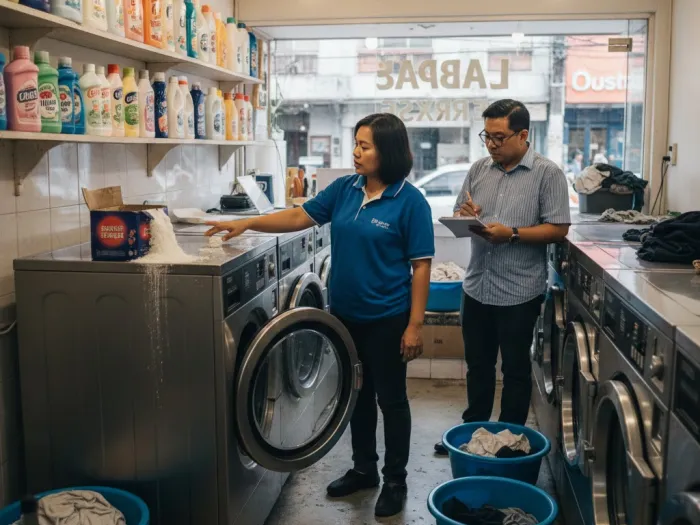
Before you buy machines or renovate a space, you need to understand how a laundry shop actually operates day-to-day. Most new owners get overwhelmed because they picture laundry as a simple “wash and dry” process. But a well-run laundry shop is a system — clean workflow, predictable timing, trained staff, and consistent quality. Once you understand the flow, everything else becomes clearer: how many machines you need, how big the space should be, and how many staff members to hire.
The Three Main Laundry Shop Models
Laundry shops in the Philippines usually fall under one of these:
Full-Service (Drop-Off Laundry)
Customers leave their dirty clothes and pick them up washed, dried, and folded.
- Most common in barangays and residential areas
- Higher labor requirement
- Higher profit margins
- Best for returning suki customers
Self-Service (Coin-Operated or Timer Machines)
Customers wash and dry their own clothes on-site.
- Lower labor cost
- Higher electricity and water use
- Popular in condos, dorms, and student areas
- Great for high-traffic locations
Hybrid Laundry Shop
Offers both drop-off and self-service.
- Best of both worlds
- Attracts wider customer base
- Flexible income streams
Daily Workflow in a Full-Service Laundry Shop
Here’s what actually happens behind the counter:
- Intake & Sorting – Staff weighs clothes, checks pockets, separates whites and colors.
- Washing Cycle – Load placed in commercial washer with detergent and softener.
- Drying Cycle – Clothes transferred to dryers (most take 45–60 minutes).
- Folding & Packaging – Neatly folded and placed in bags or baskets.
- Pickup or Delivery – Customers collect or riders deliver to homes/offices.
This routine repeats throughout the day — basta tuloy-tuloy ang pasok ng customers.
What You’ll Need to Run Daily Operations
- Washing machines (commercial recommended)
- Dryers (electric or gas)
- Weighing scale
- Laundry baskets
- Folding tables
- Racks for sorted clothes
- Detergents, softeners, bleach
- Plastic bags or eco-bags
Types of Laundry Services You Can Offer
These services boost your earnings and widen your market:
- Wash–Dry–Fold
- Express service (2–3 hours)
- Comforter, curtains, and blankets
- Delicates (hand wash or gentle cycle)
- Pick-up and delivery
- Ironing services (optional)
Service Types vs Target Markets (Table)
| Service Type | Description | Best For |
|---|---|---|
| Drop-Off (Full-Service) | Staff handles everything | Busy families, working adults |
| Self-Service | Customer operates machines | Students, condo residents |
| Hybrid | Offers both options | High-traffic areas |
| Express Service | Faster turnaround | Office workers, urgent needs |
| Heavy Items (Comforters, etc.) | Higher fees | Households, hotels, dorms |
Understanding the flow helps you plan your space, machines, and staffing properly. Once you know how the business works, you can move forward with confidence.
📍 Step 2: Choose the Best Location
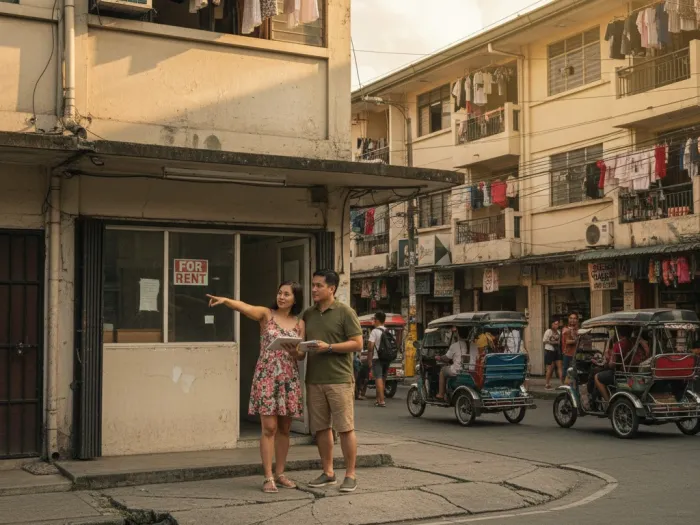
If there’s one factor that can instantly decide whether your laundry shop succeeds or struggles, it’s location. Kahit gaano kaganda ang machines mo, if you’re in a place where people don’t need your service, mabagal talaga ang takbo. Laundry shops thrive where people have limited time, limited space, or no washing machines at home. The right spot means steady walk-ins, predictable demand, and suki customers who come back every week.
What Makes a Location “Perfect” for a Laundry Shop
High Residential Density
Laundry shops shine in areas where people live in small spaces:
- Condo buildings
- Boarding houses
- Apartments
- Dormitories
- Residential villages
The more people living nearby, the higher your weekly volume.
Strong Mix of Working Adults & Students
Busy people don’t have time to wash clothes.
These groups give you repeat business every 3–7 days.
Accessible, Visible, and Easy to Find
Customers prefer:
- A shop na madaling pumasok at lumabas
- May parking for motorcycles
- Kita agad from the street
- Malapit sa main road or tricycle route
Visibility is free advertising every single day.
Reliable Utilities: Water & Electricity
A laundry shop consumes:
- Huge amounts of water
- Consistent electricity
Low pressure or frequent brownouts can destroy your schedule and daily earnings.
Checklist for Selecting a Location (Very Practical)
Use this as your decision guide:



- Within 1–3 minutes walking distance from residential clusters
- Space requirement: 20–40 sqm minimum
- Water pressure is strong even during peak hours
- No major flooding history
- Not surrounded by too many competitors
- Has proper drainage (VERY important)
- Ventilation possible for dryers
- Good foot traffic
- Near sari-sari stores or busy corners
If a place meets at least 7 out of 10, it’s a strong candidate.
Ideal vs Risky Laundry Shop Locations (Table)
| Location Type | Verdict | Why |
|---|---|---|
| Near condos/apartments | ⭐ Excellent | High repeat demand weekly |
| Near dorms & boarding houses | ⭐ Excellent | Students rely heavily on laundry shops |
| Inside residential villages | 👍 Good | Families outsource laundry |
| Near busy commercial streets | 👍 Good | Good walk-ins & exposure |
| Far from residential clusters | ⚠️ Weak | Low repeat customers |
| Areas with weak water pressure | ⚠️ Risky | Machines run slower |
| Low-visibility alley or corner | ❌ Poor | Hard to attract new customers |
| Crowded with 4+ existing shops | ❌ Avoid | Slim margins & slow ROI |
Pro Tips When Screening Locations
- Visit the area at night — this is when people drop off laundry.
- Observe foot traffic on weekends, the busiest laundry days.
- Ask neighbors: “Saan kayo nagpapalaba?” — priceless insight.
- Check water pressure at different times of the day.
- Watch for potential smell/ventilation issues nearby.
A laundry shop doesn’t need a luxurious location — it needs a busy, practical, everyday Filipino environment where washing clothes is a weekly struggle. That’s where your business will shine.
💰 Step 3: Prepare Your Startup Capital & Budget
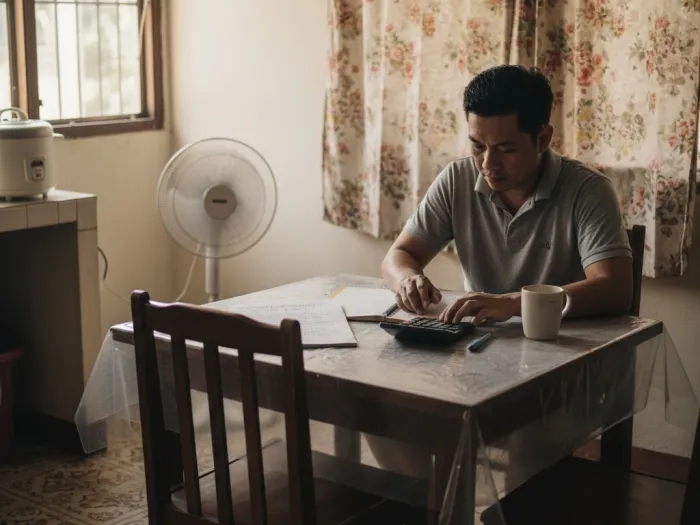
Starting a laundry shop isn’t as cheap as a sari-sari store, but it’s also not as expensive as people imagine. Most of your capital goes into machines, renovation, and utilities — the core of your operations. Once these are set, the business becomes predictable and stable. And because laundry is a weekly necessity, hindi ka mauubusan ng customers as long as your service is consistent.
How Much Capital Do You Need?
A realistic budget for a small to medium laundry shop in the Philippines is around:
- Low Budget: ₱250,000 – ₱350,000
- Mid Range: ₱400,000 – ₱550,000
- High Budget: ₱600,000 – ₱700,000+
Your final capital depends on machine capacity, location size, and whether you choose franchise or independent.
Where Your Money Actually Goes
1. Washing & Drying Machines (Biggest Cost)
Commercial units are best because they:
- Handle heavier loads
- Last longer
- Run faster cycles
- Provide stable quality
Expect to spend:
- Washing machine: ₱35,000 – ₱60,000 each
- Dryer: ₱45,000 – ₱90,000 each
2. Space Renovation & Utilities
Laundry shops need:
- Good drainage
- Proper ventilation
- High electrical load (breakers, wiring)
- Light renovation for layout
Renovation budget: ₱25,000 – ₱80,000
3. Operating Supplies
Includes:
- Detergents
- Fabric conditioners
- Bleach
- Baskets
- Plastic bags / eco-bags
- Weighing scale
Budget: ₱8,000 – ₱15,000 (initial)
4. Business Permits
Laundry shops require:
- DTI
- BIR
- Barangay Clearance
- Mayor’s Permit
- Sanitary Permit
- Fire Safety Certificate
Typical fees range from ₱6,000 – ₱12,000 depending on your LGU.
5. Rent & Security Deposit
Most locations require:
- 1 month advance
- 2 months deposit
Expected cash-out: ₱20,000 – ₱60,000 depending on area.
Franchise vs Independent: Which One Costs More?
Franchise
Pros:
- Complete system
- Marketing included
- Training provided
- Branding ready
Cons:
- Higher capital (₱600k–₱1.2M)
- Less freedom with suppliers
- Sometimes slower ROI due to higher fees
Independent
Pros:
- Lower startup capital
- Full control over pricing
- Flexible branding
- No royalties
Cons:
- Requires more research
- You build your own systems
Most beginners choose independent because ROI is faster and cost is lower.
Sample Capital Breakdown (Table)
| Budget Level | Estimated Cost | What You Get |
|---|---|---|
| Low (₱250k–₱350k) | Basic washer + dryer, small shop | Good for barangay-level traffic |
| Mid (₱400k–₱550k) | Better machines + proper setup | Best ROI for most owners |
| High (₱600k–₱700k+) | Multiple machines + premium setup | For high-volume urban areas |
Hidden Costs New Owners Forget
- Dryer vent installation
- Electrical upgrades (especially for 220v machines)
- Comforter surcharge bags
- Monthly drum cleaning
- Gas dryers (if used)
- Standby generator (optional but useful)
Planning for these early prevents delays and unexpected expenses.
Capital can look intimidating on paper, but remember: laundry shops are steady, repeat-need businesses. As long as your machines run well and your service is consistent, the income is reliable. And once the core setup is done, operating costs stay predictable.
🧼 Step 4: Buy Your Washing & Drying Machines
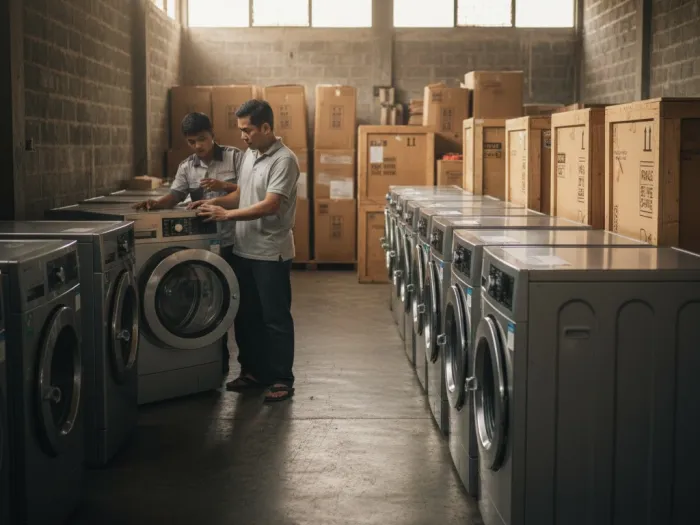
Your machines are the backbone of your laundry shop. Kahit gano ka galing sa marketing or customer service, if your washers and dryers are slow, weak, or madaling masira, your entire business suffers. This step is all about choosing equipment that’s durable, fast, and built for commercial use, not household use. Many beginners make the mistake of buying home-use machines — they’re cheaper, yes, pero hindi sila ginawa for non-stop, heavy-duty operation.
Commercial vs Household Machines
Understanding the difference helps you avoid early breakdowns.
Commercial Machines
- Built for heavy use (10–14 hours per day)
- Faster cycles
- Steel drums for durability
- Stronger suspension (handles bulky loads)
- Longer lifespan (5–10+ years with maintenance)
Best for:
Full-service shops, high-volume areas, long-term ROI.
Household Machines
- Not built for business use
- Cheaper upfront
- Slower wash/dry cycles
- Prone to breakdown after a few months
- Higher long-term maintenance
Best for:
Very small or home-based setups with low demand.
If you’re opening a real laundry shop, always choose commercial units. Mas mahal sa simula, pero mas mura in the long run.
Recommended Machine Capacities
Most laundry shops use:
- 9kg–13kg washers (standard loads)
- 9kg–13kg dryers (matching capacity)
Comforter handling requires:
- 15kg+ washer
- 15kg+ dryer
If you skip comforters, sayang — they’re high-margin services.
Machine Brands Commonly Used in the Philippines
These brands dominate the local laundry industry due to durability:
- Speed Queen (premium, very durable)
- Maytag
- Whirlpool Commercial
- LG Commercial Giant C
- Dexter (top-tier for coin-op)
- Huebsch
Local suppliers often bundle installation, training, and warranties — helpful for first-timers.
Coin-Operated vs Regular Machines
Your choice affects your labor needs and customer flow.
Coin-Operated / Timer Machines
Pros:
- Lower labor cost
- Customers do their own laundry
- Great for dorms, student areas, condos
Cons:
- Higher machine cost
- Environmental heat buildup
- Requires more ventilation
- Possible misuse by customers
Best for:
Self-service shops in urban areas.
Regular Commercial Machines (Attendant-Operated)
Pros:
- Staff controls the process
- More consistent quality
- Less machine misuse
- Ideal for drop-off services (most common in PH)
Cons:
- Requires manpower
- More coordination during peak hours
Best for:
Residential barangays, working adults, families.
Typical Equipment Cost (Philippine Market)
| Equipment | Price Range | Notes |
|---|---|---|
| Commercial Washer (9–13kg) | ₱35,000 – ₱60,000 | Main workhorse of the shop |
| Commercial Dryer (9–13kg) | ₱45,000 – ₱90,000 | High electricity use, needs good ventilation |
| 15kg Washer | ₱55,000 – ₱90,000 | For comforters & bulky loads |
| 15kg Dryer | ₱70,000 – ₱120,000 | Faster turnarounds for heavy items |
| Weighing Scale | ₱1,000 – ₱3,000 | For intake and pricing |
| Folding Table + Racks | ₱3,000 – ₱10,000 | Folding workflow area |
| Detergent/Softener Dispensers | ₱2,000 – ₱5,000 | Optional but convenient |
Note: Prices depend on supplier promos, brand, warranty, and installation packages.
Choosing the Right Supplier
Don’t just buy from “Facebook sellers.” Make sure your supplier offers:
- Installation
- Warranty
- Spare parts availability
- After-sales support
- Basic training for staff
- Ventilation and drainage recommendations
A supplier that helps you design your layout is a huge plus — proper drainage and airflow can make or break your operations.
Avoid This Common Mistake
Many new owners buy one dryer and two washers, thinking it saves money.
Wrong.
Dryers take longer cycles than washers.
You should follow:
1 washer : 1 dryer
or
2 washers : 3 dryers for high volume.
This prevents bottlenecks and customer delays.
Buying the right equipment from day one prevents headaches, breakdowns, and lost income. Machines are your biggest investment — but also your biggest income generators when chosen correctly.
🧾 Step 5: Secure Your Business Permits (DTI, BIR & LGU)
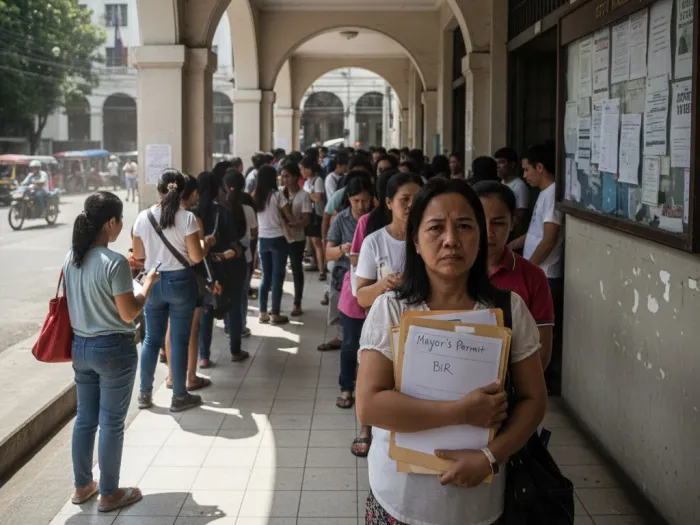
A laundry shop may look simple on the outside, but legally, it’s treated as a full-service operation that handles public sanitation. That means more permits than a regular sari-sari store, and each permit ensures your shop is safe, compliant, and ready for inspections. The good news? Once you know the sequence, mabilis lang siya. And when your permits are complete, customers trust you more — especially families entrusting you with their clothes.
The Required Permits for a Laundry Shop in the Philippines
1. DTI Business Name Registration
For single proprietors.
What you’ll need:
- Valid ID
- Business name options
- Payment (₱230–₱530 depending on territorial scope)
Processing time: 10–30 minutes (online).
2. Barangay Business Clearance
Issued by your barangay.
Requirements:
- DTI Certificate
- Valid ID
- Rental contract or proof of address
- Barangay fees (₱300–₱1,000 depending on area)
Processing time: same day.
3. Mayor’s Permit / Business Permit
This is the most important LGU requirement.
You’ll need:
- DTI Certificate
- Barangay Clearance
- Lease contract
- Sketch of location
- Sanitary Permit
- Fire Safety Certificate
- Assessment fees (₱3,000–₱10,000 depending on city)
Processing time: 1–7 days.
4. BIR Certificate of Registration (Form 2303)
Required so you can issue official receipts.
Requirements:
- DTI Certificate
- Mayor’s Permit (or application receipt)
- Valid ID
- BIR Form 1901
- Registration fee: ₱500
You must also:
- Register your books of accounts
- Buy or apply for an OR receipt booklet or POS system
Processing time: 1–2 days.
5. Sanitary Permit
Laundry shops handle dirty clothes; therefore, sanitation is strictly monitored.
Requirements:
- Health certificates for all staff
- Clean, organized layout
- Proper drainage
- Ventilation for dryers
- Sanitary inspection
Expected cost: ₱500–₱2,000.
6. Fire Safety Inspection Certificate (BFP)
Your dryers, wiring, and layout will be inspected.
Requires:
- Fire extinguisher
- No exposed wiring
- Clear walkways
- Dryers properly vented
Certificate is usually released after inspection.
Optional But Helpful Permits
- Environmental Permit (for large shops)
- Barangay Noise Permit (if dryers are loud)
- DTI Weighing Scale Calibration (for accuracy)
Laundry Shop Permit Checklist (Table)
| Permit | Responsible Agency | Estimated Cost | Notes |
|---|---|---|---|
| DTI Business Name | DTI | ₱230–₱530 | Fast online registration |
| Barangay Clearance | Barangay Hall | ₱300–₱1,000 | Required for Mayor’s Permit |
| Mayor’s Permit | LGU | ₱3,000–₱10,000 | Annual renewal |
| BIR COR (2303) | BIR | ₱500 | Needed for ORs |
| Sanitary Permit | LGU Health Office | ₱500–₱2,000 | Includes staff health certs |
| Fire Safety Certificate | BFP | ₱500–₱1,500 | Inspection required |
Common Reasons Laundry Shops Fail Permit Inspections
- Poor drainage (stagnant water)
- Exposed electrical wiring
- Dryer vents releasing hot air inside shop
- No fire extinguisher
- Cluttered washing area
- Staff without health certificates
Fixing these early prevents delays and penalties.
Getting your permits done signals that you’re running a legitimate, long-term business. It builds customer trust instantly and protects you from potential shutdowns or LGU warnings. Once the paperwork is done, you can move on to the exciting part — building your actual shop.
🔧 Step 6: Set Up Your Laundry Shop Layout
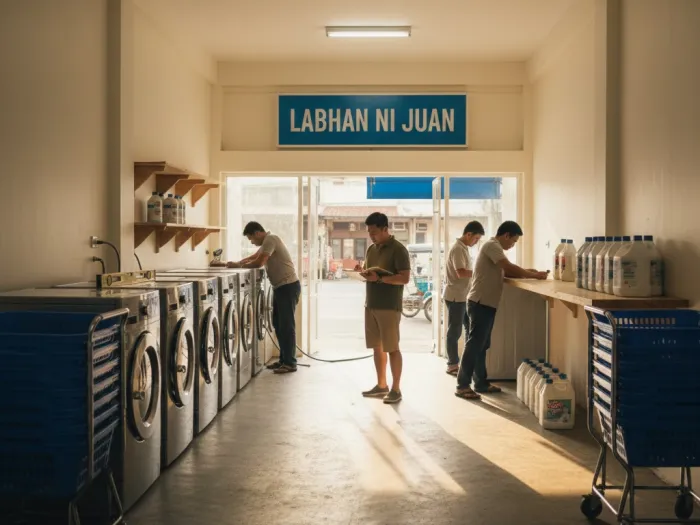
A smooth, efficient laundry shop isn’t about fancy interiors. It’s about layout that moves — clean workflow, safe wiring, proper drainage, and airflow that keeps your dryers from overheating. A lot of new owners get this wrong and end up redesigning later, which means gastos na naman. If you set up your layout correctly from day one, your operations run faster, your staff works easier, and your customers trust the cleanliness of your space.
Core Zones Every Laundry Shop Must Have
Your shop should be divided into wet zones and dry zones. This prevents contamination and keeps the workflow smooth.
1. Wet Zone (Washing & Pre-Sorting Area)
This is where dirty clothes enter.
- Sorting
- Weighing
- Washing machines
- Detergent and chemical shelf
- Drainage line and floor trap
Important: The floor must be slightly sloped for proper drainage.
2. Dry Zone (Drying Area)
This area must have:
- Dryers
- Strong ventilation (VERY important)
- Heat exhaust directed outside the shop
Dryers produce extreme heat. If not vented properly, the shop becomes unsafe and humid.
3. Folding & Packaging Area
A clean, dry section where staff fold clothes.
- Folding tables
- Racks for sorted laundry
- Packaging supplies
- Space for comforters and big items
This is also where customers see your cleanliness, so keep it neat at all times.
4. Customer Waiting Area
For self-service or busy drop-off days:
- Benches or small sofa
- Small electric fan
- Service menu poster
- Price list
Comfortable waiting areas encourage repeat visits.
Electrical Load Requirements
Laundry shops consume heavy power. Make sure your landlord understands this.
You’ll need:
- 30–60 amp breaker (depending on machine count)
- Dedicated lines for dryers
- Thick wiring to avoid overheating
- Voltage stabilizer (optional but helpful)
Dryers consume the most electricity — plan your load carefully.
Drainage & Ventilation: The Two Most Common Problems
Nearly every laundry shop that fails early has these issues:
Drainage Issues
- Water backing up
- Slow floor traps
- Smelly drainage
- Leaks behind machines
Fix: Install wide drainage pipes and a clear slope toward the drain.
Ventilation Issues
Dryers produce:
- Hot air
- Moisture
- Lint dust
Fix:
- Proper ducting that leads outside
- Avoid long, winding exhaust pipes
- Clean lint traps daily
Good airflow means faster drying and lower electrical load.
Recommended Layout Zones (Table)
| Zone | Purpose | Tips |
|---|---|---|
| Wet Zone | Sorting + washing | Waterproof walls & floor slope |
| Dry Zone | Drying | Strong ventilation & heat exhaust |
| Folding Area | Packaging | Must always be clean & dust-free |
| Waiting Area | Customer comfort | Visible price list & menu board |
| Storage Area | Detergents, baskets | Keep away from wet zones |
Small Space Layout Example (20–25 sqm)
- Front: Counter + price list
- Left side: 2 washers + 2 dryers
- Right side: Folding table + racks
- Back area: Drainage + storage
Medium Space Layout (30–40 sqm)
- Front right: Waiting area
- Left wall: Washer line
- Right wall: Dryer line
- Center: Folding island table
- Back: Storage & utility area
Setting up your layout properly saves you from breakdowns, heat issues, and slow operations. It also gives customers confidence that their clothes are cleaned in a safe, organized environment.
👥 Step 7: Hire & Train Your Staff
Your machines may run the cycles, pero people run the business. A well-trained staff can make your laundry shop feel organized, trustworthy, and consistent. Meanwhile, poorly trained staff can create delays, mix-ups, and even damage clothes — the fastest way to lose suki customers. The goal is simple: build a small team that’s reliable, maasahan, and trained to follow a clean workflow every single day.
How Many Staff Do You Need?
For a small to mid-sized laundry shop:
- 1 staff – very small shop, low volume
- 2 staff – ideal for drop-off service
- 3 staff – for busy locations or hybrid setups
Roles usually include:
- Sorting and weighing
- Washing & drying
- Folding & packaging
- Customer handling and texting for pickup
- Cleaning the shop and equipment
If you offer pickup and delivery, you may add a rider later on.
Training Essentials for Laundry Shop Staff
1. Sorting & Handling Clothes
Your staff should know how to:
- Separate whites, colors, and delicates
- Check for stains
- Empty pockets (VERY important)
- Handle comforters properly
- Use the correct wash cycles
One mistake here can ruin an entire load.
2. Washing & Drying Technique
They must understand:
- Proper detergent measurement
- Softener usage
- When to use bleach (and when NOT to)
- Correct machine capacity
- Timing for wash and dry cycles
- Preventing overloading
Consistency in washing quality is what keeps customers loyal.
3. Folding Standards
Believe it or not, folding is part of your brand.
Customers love clean, uniform folds.
Teach your staff:
- Fast folding techniques
- Organizing clothes by category
- Keeping the folding table spotless
- Proper bagging or packaging
Small details add a premium feel without extra cost.
4. Customer Service
Your staff should know how to:
- Greet customers
- Explain service options
- Manage pickup schedules
- Handle complaints with calm tone
- Send SMS reminders for pickup
Good service = suki customers.
5. Cleanliness & Sanitation
Daily cleaning prevents bad odors and safety issues.
Teach them how to:
- Clean lint traps
- Mop wet areas
- Keep the shop smelling clean
- Disinfect folding areas
- Store chemicals safely
Clean shop = customer trust.
Sample Daily Staff Schedule (Table)
| Time | Task | Notes |
|---|---|---|
| 8:00–9:00 AM | Opening, cleaning, checking machines | Prepare detergents & supplies |
| 9:00–12:00 PM | Sorting, washing, drying | Peak intake hours |
| 12:00–1:00 PM | Lunch break | Rotation if 2+ staff |
| 1:00–5:00 PM | Folding, packaging, drying | Delivery prep time |
| 5:00–7:00 PM | Late drop-offs | Additional washing if needed |
| 7:00–8:00 PM | Closing & deep clean | Drain check & lint removal |
Red Flags When Hiring Staff
Avoid applicants who:
- Arrive late to interviews
- Are easily irritated with customers
- Complain about multi-tasking
- Don’t value cleanliness
- Cannot follow instructions
- Don’t want to work weekends
Laundry is a routine-based business — reliability is everything.
What Makes a Staff Member a Keeper
Watch for workers who:
- Keep the shop clean without being told
- Fold neatly and consistently
- Handle complaints gently
- Build relationships with suki customers
- Take initiative (refilling detergents, checking machines)
These staff members will help your business grow and stay stable long-term.
A well-trained team gives your customers peace of mind. They trust that their clothes are safe, cleaned properly, and handled with care. And once you have the right staff, the laundry shop practically runs itself.
📦 Laundry Shop Menu: Services, Pricing & Extras
Your pricing menu is your business identity. It tells customers what you offer, how fast you can deliver, and whether your shop feels affordable or premium. Most Filipino households choose a laundry shop based on clarity, speed, and value, so your service list must be simple, clear, and easy to understand. No complicated bundles, no confusing add-ons. The goal is to make customers think: “Ay, dito na lang. Mura na, malinis pa.”
Core Services Every Laundry Shop Should Offer
1. Wash–Dry–Fold (Most Popular)
The standard service — clothes are washed, dried, and folded neatly.
- Fast turnaround: 24–48 hours
- High repeat demand
- Stable weekly income
2. Express Service
For customers who need clothes asap.
- 2–3 hour turnaround
- Higher price
- Ideal for office workers and students
3. Self-Service (Optional)
Common in areas with:
- Condos
- Dorms
- Boarding houses
Great for customers who prefer doing their own laundry but need commercial machines.
4. Heavy Items
These are high-profit items:
- Comforters
- Bedsheets
- Curtains
- Blankets
- Pillows
Customers usually can’t wash these at home — malaking kita nito.
5. Add-On Services
Nice-to-have extras:
- Stain treatment
- Fabric conditioner upgrades
- Eco-friendly wash option
- Ironing (select clothes only)
- Pick-up & delivery (premium fee)
Sample Laundry Price List (Philippine Market)
| Service Type | Price Range | Notes |
|---|---|---|
| Wash–Dry–Fold (per 8kg) | ₱60 – ₱90 | Most shops use fixed kilo pricing |
| Express Service | +₱20 – +₱40 per kilo | 2–3 hour turnaround |
| Self-Service (Washer) | ₱50 – ₱70 per load | 35–45 minutes |
| Self-Service (Dryer) | ₱50 – ₱70 per load | 45–60 minutes |
| Comforter (Single/Double) | ₱120 – ₱200 | High profit |
| Comforter (Queen/King) | ₱180 – ₱300 | Requires large machines |
| Curtains (per set) | ₱80 – ₱150 | Add-on service |
| Pick-Up & Delivery | ₱30 – ₱60 per booking | Optional but boosts reach |
How to Set Prices That Actually Sell
Don’t just copy competitors — study your neighborhood.
Look at:
- Average income of the area
- Number of similar shops
- Whether residents are students, workers, or families
- How many washers/dryers you have (affects speed)
Then position yourself as:
- Affordable & fast (barangay areas)
- Clean, reliable, slightly premium (apartment zones)
- Self-service friendly (dorms and condos)
Smart Add-Ons to Boost Income
These small upsells add thousands every month:
- Extra softener (+₱5 to ₱10)
- Double rinse (+₱10)
- Stain remover (+₱10 to +₱25)
- Eco-wash option (+₱10)
- Mesh laundry bags (+₱20)
Customers love add-ons because they feel personalized.
Should You Offer Pick-Up & Delivery?
If your area is crowded or traffic-heavy, then yes — malaking tulong ang delivery.
Pros:
- Wider reach
- Recurring weekly customers
- Higher ticket value
- Great for offices
Cons:
- Needs a rider
- Delivery delays possible
You can start with manual booking (text/Facebook Messenger) and upgrade to Google Forms or a POS app later on.
A clear, well-priced menu helps customers choose you over competitors. Keep it simple, practical, and built for repeat visits.
📊 Operating Costs, Daily Earnings & Profit Margins
Running a laundry shop means balancing steady income with equally steady expenses. Most new owners underestimate operating costs, then wonder bakit manipis ang tubo. When you understand your monthly numbers clearly, you’ll know exactly how much to earn per day to stay profitable — and how to scale to higher income.
Monthly Operating Costs (Realistic Projection)
Electricity (Biggest Expense)
Dryers consume the most power.
- ₱12,000 – ₱25,000 per month
- Higher for electric dryers, lower if gas-operated
Water Consumption
Each wash cycle uses 50–70 liters.
- ₱1,000 – ₱3,000 per month
Detergents & Consumables
Includes detergent, softener, bleach, and packaging.
- ₱3,000 – ₱6,000 per month
Rent
Varies widely per city and shop size.
- ₱8,000 – ₱20,000 per month
Staff Salary
If you have two attendants:
- ₱14,000 – ₱24,000 combined
Miscellaneous Costs
Repairs, cleaning materials, internet, small tools.
- ₱1,000 – ₱3,000
Total Monthly Operating Cost
Most small to mid-sized shops operate within:
- ₱40,000 – ₱70,000 per month
Daily Earnings Potential
Customer volume directly determines how much you earn. Here’s a realistic breakdown:
| Daily Customers | Average Bill | Daily Gross | Monthly Gross |
|---|---|---|---|
| 15 customers/day | ₱90 | ₱1,350 | ₱40,500 |
| 25 customers/day | ₱90 | ₱2,250 | ₱67,500 |
| 40 customers/day | ₱90 | ₱3,600 | ₱108,000 |
| 60 customers/day | ₱90 | ₱5,400 | ₱162,000 |
Net Monthly Income After Expenses
| Monthly Gross | Operating Cost | Net Profit |
|---|---|---|
| ₱40,000 | ₱40,000 | Break-even |
| ₱60,000 | ₱45,000 | ₱15,000 profit |
| ₱80,000 | ₱50,000 | ₱30,000 profit |
| ₱100,000 | ₱60,000 | ₱40,000 profit |
| ₱120,000 | ₱70,000 | ₱50,000 profit |
A well-run laundry shop in a good location typically earns ₱25,000–₱50,000 net per month once operations stabilize.
Factors That Affect Your Profit Margin
1. Location Quality
Proximity to condos, apartments, dorms, and boarding houses drastically increases volume.
2. Number of Machines
More washers and dryers = more earning capacity.
3. Dryer Efficiency
Slow dryers create bottlenecks that limit daily income and increase electricity costs.
4. Folding Quality
Yes — folding matters. Neat, consistent folding builds customer loyalty.
5. Customer Rhythm
Peak times:
- Mornings
- Nights
- Weekends
Understanding patterns helps optimize machine use.
6. Heavy Items
Comforters, curtains, and blankets are high-margin services and should always be offered.
Earnings Scenarios (Table)
| Scenario | Expected Daily Loads | Monthly Gross | Net Profit |
|---|---|---|---|
| Slow Shop | 10–15 loads/day | ₱30,000–₱45,000 | ₱5,000–₱10,000 |
| Average Shop | 20–30 loads/day | ₱60,000–₱90,000 | ₱15,000–₱30,000 |
| High-Volume Shop | 40–60 loads/day | ₱120,000–₱160,000 | ₱40,000–₱60,000 |
A laundry shop isn’t a quick jackpot, but it is one of the most consistent, repeat-income businesses in any residential community. Once customers trust your speed and quality, your monthly income becomes steady — often without needing heavy marketing.
💵 ROI: When Will You Break Even?
One of the biggest questions future owners ask is: “Gaano katagal bago bumawi ang puhunan?” The good news is that laundry shops have one of the most predictable ROI timelines among small businesses in the Philippines. Because people do laundry every week — sometimes twice a week — demand stays consistent all year round. Your ROI will depend on location, machine count, pricing, and your shop’s daily volume.
Typical ROI Range
Most laundry shops recover their startup capital within:
- Fast ROI: 8–12 months
- Average ROI: 12–16 months
- Slow ROI: 18–24 months
Shops with strong residential traffic and reliable dryers recover investment the fastest.
What Speeds Up Your ROI
High Residential Density
Condo clusters, apartments, dorms, and boarding houses guarantee weekly traffic.
Multiple Machines
More washers and dryers increase daily load capacity.
Fast Dryers
Slow dryers delay workflow, limit loads per day, and increase electricity costs.
Express Services
Express and comforter services have higher margins.
Quality Folding & Packaging
Customers return to shops that treat their clothes well. Clean, consistent folding = suki.
Pick-Up & Delivery
Adds convenience and boosts volume without needing more space.
What Slows Down Your ROI
Poor Location
Residential areas too spread out? Low walk-in potential.
Weak Ventilation
Dryers overheat, break down, or slow drying time.
Limited Machine Count
If customers wait too long, they will try another shop.
Poor Customer Service
Unfriendly staff or damaged clothes kill repeat business fast.
Inconsistent Quality
Unpleasant smells, damp clothes, or messy folding push people away.
ROI Projection Scenarios (Table)
| Scenario | Daily Loads | Monthly Net Profit | Estimated ROI | Notes |
|---|---|---|---|---|
| Fast ROI | 40–60 loads/day | ₱40,000–₱60,000 | 8–12 months | Busy residential areas |
| Average ROI | 20–30 loads/day | ₱20,000–₱35,000 | 12–16 months | Most common for new shops |
| Slow ROI | 10–15 loads/day | ₱8,000–₱15,000 | 18–24 months | Competitive or weak location |
Key Insight
A laundry shop becomes profitable not by having the lowest price — but by being the most consistent in cleanliness, drying speed, folding quality, and customer service. If your shop becomes the neighborhood’s “default laundry place,” your ROI will naturally accelerate.
⚠️ Common Mistakes When Starting a Laundry Shop
Many laundry shops fail not because the owner lacked capital, but because of avoidable mistakes that slow down operations, ruin customer trust, or increase monthly expenses. The good news? Once you know these pitfalls, you can avoid all of them. Think of this section as your early warning system.
Mistake 1: Choosing a Weak Location
Laundry shops rely on volume. If your area doesn’t have:
- Apartments
- Dorms
- Boarding houses
- Condos
- Busy residential streets
Then expect slow, irregular traffic. A great machine setup cannot save a bad location.
Mistake 2: Buying Household Machines
They’re cheaper, yes — but they break down quickly and can’t handle 8–12 hours of daily use.
Result?
Repairs, delays, and angry customers.
Commercial machines are the only long-term option.
Mistake 3: Poor Ventilation for Dryers
Dryers generate heavy heat and moisture. Without proper ducting:
- Clothes dry slower
- Electricity cost spikes
- Machines overheat
- Shop becomes too hot for staff and customers
Ventilation is non-negotiable.
Mistake 4: Slow Folding & Packaging
Believe it or not, folding is part of your branding.
Customers judge neatness instantly.
Messy, rushed folding = people will try another shop.
Mistake 5: No Standard Workflow
Shops without a system suffer from:
- Mixed-up clothes
- Delayed pickup times
- Missing socks
- Wrong bag assignments
A simple labeling system can prevent all of these.
Mistake 6: Underpricing Services
Setting prices too low to “attract customers” will only hurt your ROI.
Better to price fairly and deliver quality than race to the bottom.
Mistake 7: Incorrect Drainage Setup
Poor drainage causes:
- Smells
- Flooding
- Machine shaking
- Stagnant water on the floor
Drainage is the quiet killer of many new laundry shops.
Common Mistakes & Solutions (Table)
| Mistake | Effect | Solution |
|---|---|---|
| Weak location | Slow sales | Choose dense residential areas |
| Household machines | Breakdowns | Invest in commercial equipment |
| Poor ventilation | High electricity & delays | Install proper ducting |
| Messy folding | Loss of suki | Train staff in folding standards |
| No workflow system | Clothes getting mixed | Use labels & organized tables |
| Underpricing | Low profits | Follow local market rates |
| Bad drainage | Flooding & smells | Install correct slope & traps |
Avoiding these mistakes can make your shop run smoother, faster, and more profitably. Once your systems are in place, the business becomes easier to manage day by day.
🛡️ Maintenance, Cleaning & Safety Requirements
A laundry shop runs smoothly only when your machines, workspace, and workflow stay clean and safe. Hindi ito business na pwedeng pabayaan. Dust, lint, moisture, and clogged drains can slow down operations or even damage machines. The more disciplined your maintenance schedule is, the fewer breakdowns you’ll face — and the more consistent your income becomes.
Daily Maintenance Tasks
Clean Lint Traps
Dryers collect lint fast. If not cleaned daily:
- Drying time doubles
- Electricity bill shoots up
- Fire hazards increase
Lint cleaning is mandatory.
Wipe Down Machines & Folding Tables
Customers judge cleanliness instantly.
Clean surfaces = trustworthy shop.
Sweep & Mop Wet Zones
Keeps the shop safe, odor-free, and professional-looking.
Check for Unusual Noises or Vibrations
Early detection prevents costly repairs.
Weekly Maintenance Tasks
Deep Clean Washing Machines
Remove detergent buildup inside the drum.
This keeps clothes smelling fresh.
Check Water Pressure
Low pressure slows down washing cycles.
Inspect Ventilation Lines
Loose or clogged vents slow down dryers.
Monthly Maintenance Tasks
Drain Cleaning
Clears hair, lint, and soap buildup.
Prevents flooding and odor problems.
Check Electrical Load
Make sure breakers aren’t overheating.
Tighten Screws & Machine Bolts
Commercial machines vibrate heavily and loosen over time.
Quarterly & Semi-Annual Tasks
Professional Machine Servicing
Have a technician inspect:
- Motor
- Bearings
- Belts
- Drain pump
- Heating element
- Control boards
Preventive maintenance extends machine lifespan significantly.
Replace Detergent Dispensers or Hoses
Wear and tear is normal — replace before they leak.
Safety Essentials (Non-Negotiable)
Fire Safety
Dryers generate heat. Always have:
- Fire extinguisher
- Clear ventilation
- No clutter blocking vents
- Clean lint traps
Proper Chemical Storage
Store bleach, detergents, and softeners away from wet zones.
Safe Electrical Wiring
Your shop uses heavy electrical load.
Ensure:
- Thick wiring
- Proper grounding
- No exposed cords
Slip-Free Floors
Wet floors + detergent = slippery accidents.
Use anti-slip mats in wet zones.
Cleaning & Maintenance Checklist (Table)
| Task | Frequency | Purpose |
|---|---|---|
| Clean lint traps | Daily | Faster drying & lower electricity |
| Mop wet zones | Daily | Sanitation & safety |
| Check water pressure | Weekly | Prevent slow washing cycles |
| Deep clean machines | Weekly | Prevent soap buildup |
| Drain cleaning | Monthly | Avoid flooding & odors |
| Machine servicing | Quarterly | Extend machine life |
| Replace hoses/seals | Semi-annual | Prevent leaks |
| Ventilation inspection | Weekly/Monthly | Avoid overheating |
A laundry shop that stays clean, smells good, and runs smoothly becomes the neighborhood’s go-to spot. Maintenance may feel repetitive, pero ito ang sikreto why some shops thrive for years while others break down after a few months.
❓ FAQs: Laundry Shop Business Philippines
1. How much capital do I need to start a laundry shop in the Philippines?
Most laundry shops require ₱250,000 to ₱700,000 depending on machine type, location, and shop size. Commercial washers and dryers make up most of the cost. Renovation, permits, and initial supplies also add to the budget. Starting smaller is possible, but commercial machines always provide better long-term ROI.
2. Are commercial washing machines required, or can I use household machines?
Household machines can work temporarily, but they break down fast under heavy use. Commercial machines are built to run 8–12 hours daily without overheating or slowing down. They’re pricier upfront but cheaper long-term because they last longer and dry faster. Serious laundry shops should always use commercial units.
3. How big should my laundry shop space be?
A good starting size is 20–40 sqm, enough for washers, dryers, folding tables, and a small waiting area. The key is layout, not size. Wet and dry zones must be separated, and ventilation must be strong for dryers. Small shops can run efficiently with the right setup.
4. What permits do I need to operate legally?
You’ll need a DTI Certificate, Barangay Clearance, Mayor’s Permit, BIR COR, Sanitary Permit, and a Fire Safety Certificate. Some LGUs may add minor requirements based on local sanitation rules. Once complete, your business can operate smoothly and legally without fear of inspections.
5. How much can a laundry shop earn every month?
Earnings range from ₱30,000 to ₱160,000 gross per month depending on daily loads. After operating costs, average net profit is ₱20,000 to ₱50,000 monthly for most shops. High-volume areas with apartments and dorms can earn even more. Stable customer flow comes from consistency, not super low pricing.
6. How long before I recover my investment?
Most laundry shops recover capital within 8–16 months, depending on location and machine count. High-volume areas achieve ROI faster, especially with multiple dryers. Shops in quiet streets or without proper ventilation take longer. Consistency in folding, drying speed, and service quality also affects ROI.
7. Is a self-service (coin-operated) laundry shop better than drop-off?
It depends on your location. Self-service works best near condos, dorms, and student areas where customers prefer convenience. Drop-off laundry is more popular in barangays and residential zones. A hybrid model works well in high-traffic areas so you can serve both types of customers.
8. How many staff do I need to run a laundry shop?
Most shops operate with 1–3 staff, depending on daily load volume. Two staff members are ideal for handling sorting, washing, drying, folding, and customer service. Good training is crucial because poor handling can cause delays or damage. The best employees are consistent, clean, and customer-friendly.
9. Should I offer pick-up and delivery services?
Yes — delivery services significantly expand your reach. Many customers prefer convenience, especially working adults and condo residents. Even with one rider, your daily load volume can increase by 20–30 percent. Start manually via text or Messenger, then upgrade to an organized system later.
10. What’s the biggest reason laundry shops fail?
Most failures stem from poor location and weak ventilation. A weak location results in slow traffic, while poor ventilation overheats dryers and slows operations. Other reasons include messy folding, inconsistent wash quality, and undertrained staff. Fix these early and your shop will thrive long-term.
🌟 A Steady Business That Serves the Everyday Filipino
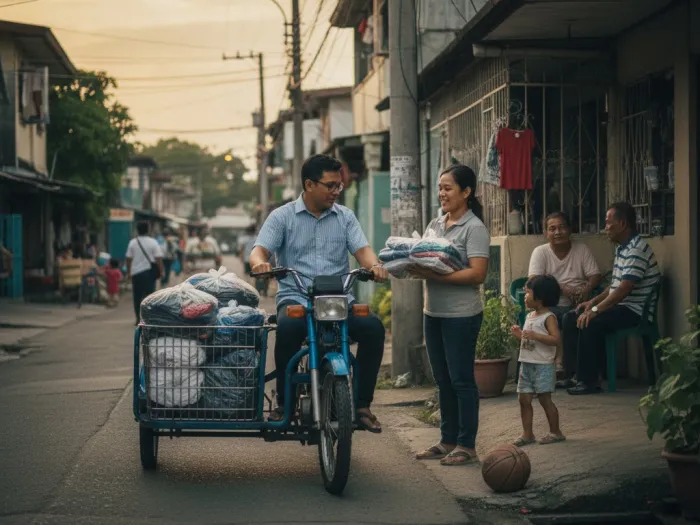
A laundry shop isn’t loud or glamorous, but it’s one of those quiet businesses that becomes part of people’s weekly routines. Hindi ito uso-uso lang. Families rely on you for clean clothes, students trust you during exam weeks, and workers depend on you when life gets too busy. And when customers start returning not just because they need service, but because they trust your shop specifically, that’s when you realize you’ve built something meaningful.
There will be long days, heat from the dryers, and moments when the folding never seems to end. Pero in time, you’ll also see the rhythm — the suki who comes every Tuesday, the barkada who drops off clothes together, the mom who says your folding is better than hers. Those small things? They add up. They create stability, identity, and a business that grows with your community.
If you follow the steps, train your staff well, and stay consistent, this business can give you predictable income, steady growth, and a sense of purpose. Clean clothes may seem simple, pero sa likod nito is a service that makes everyday life easier. And you can be the one offering that steady, helpful, reliable space in your neighborhood.