


Most Filipinos don’t really think about their credit score until the day they want to apply for a car loan, a home loan, or even a basic credit card. Then suddenly, ayun na, stress agad… because the bank starts asking for things you didn’t even know mattered. And when you hear the words “Sir/Ma’am, mababa po yung score”, nakakabagsak-loob talaga.
- 📌 What a Credit Score Really Means for Pinoys (And Why It Matters)
- 📊 How Credit Scores Are Calculated in the Philippines
- 🧭 How to Improve Your Credit Score in the Philippines (Step-by-Step)
- 📂 Common Credit Score Mistakes Pinoys Should Avoid
- 📈 How Long It Takes to See Improvements in Your Credit Score
- 📄 Where to Get Your Official Credit Report in the Philippines
- ❓ FAQs on Improving Your Credit Score in the Philippines
- 🌟 Building a Stronger Credit Future, One Small Step at a Time
- References
The truth is, improving your credit score in the Philippines isn’t as complicated as it sounds. It’s not some mysterious number controlled by banks. It’s just a summary of your financial habits, your payment behavior, and your trustworthiness as a borrower. And once you understand how this system works, you can slowly build the kind of record that boosts loan approval and unlocks more financial opportunities.
So if you’ve been wondering how to improve your credit score Philippines style – meaning simple, doable, and practical – this guide will break down the steps real Pinoys can follow. Walang jargon, walang technical drama. Just clear habits, smart money moves, and a little diskarte that builds your credit score the right way. Let’s get into it.
📌 What a Credit Score Really Means for Pinoys (And Why It Matters)
A lot of Filipinos hear the term credit score and think it’s only for rich people, business owners, or those with big bank loans. Pero hindi. Your credit score affects almost everything that involves borrowing money, getting approved for a credit card, or securing better loan terms. It’s basically your financial reputation on paper. Kung paano ka nagbabayad, gano ka consistent, at gano ka responsible with debt… all of that gets recorded.
In the Philippines, most lenders rely on data from the Credit Information Corporation (CIC). Banks, credit card companies, lending apps, and even some cooperatives send your payment history to CIC. That means every late payment, missed bill, or unsettled balance can drag your score down. On the flip side, a clean and consistent payment record can boost your score faster than you’d expect.
Here’s what a credit score influences for everyday Pinoys:
- Loan approval chances (home, car, personal, etc.)
- Interest rates you get offered
- Credit card approvals and credit limit increases
- Your perceived financial reliability when dealing with banks
- Future loan opportunities especially for housing or business
And the crazy part? Most people only realize the importance of a good score after they get rejected. Kaya ang sakit. A single denied application can stall your plans for months. Knowing how your credit score works gives you control – and control means opportunity.
It might feel intimidating at first, but once you understand why lenders care so much about this number, it becomes less mysterious. Mas klaro. Mas actionable. Improving your score becomes a step-by-step journey, not a guessing game. This is where your financial rebuild really begins.
📊 How Credit Scores Are Calculated in the Philippines
Most Pinoys think credit scores are based on one thing: kung nagbabayad ka ba on time. That’s a big part of it, yes, pero hindi lang yun. Your score is actually a mix of several behaviors that show lenders how risky or reliable you are. The Credit Information Corporation (CIC) gathers all this info from banks, credit card companies, lending firms, and other financial institutions.
Think of it as a running history of how you handle utang. Every swipe, every due date, every loan you’ve ever taken, it all adds up to form your official financial “report card.”
Below is a simplified breakdown of the factors that influence your credit score Philippines style:
🧩 Key Components of Your Credit Score
| Factor | What It Means | Impact Level |
|---|---|---|
| Payment History | Your record of paying bills and loans on time | Very High |
| Outstanding Balances | How much debt you still owe across loans or cards | High |
| Credit Utilization | How much of your credit limit you actually use | Medium |
| Credit Mix | Variety of credit types (loans, cards, etc.) | Moderate |
| Credit History Length | How long you’ve been using credit | Low to Moderate |
| New Credit Applications | How many recent loan or card applications you’ve made | Low |
📥 Payment History (the biggest factor)
Late payments hurt your score quickly. Even one missed due date can stay on your record for months. But consistent, on-time payments? Those build your score slowly but surely. Kaya super important to build good habits early.
📥 Your Total Debt and Usage
Maxing out your credit cards or having too many active loans makes lenders think you’re struggling. Even if you pay on time, a high balance compared to your limit can signal risk. Keeping usage low shows control.
📥 Length and Variety of Credit
Lenders trust people who’ve shown long-term responsibility. A credit card used properly for years can speak louder than a newly opened loan. Same goes for having a mix – one card plus one small loan sometimes shows better financial maturity than just one type of credit alone.
At first, it looks technical, pero once you break it down, it’s just common sense: show responsibility, avoid overborrowing, and stay consistent. These ingredients make your score healthier over time.
🧭 How to Improve Your Credit Score in the Philippines (Step-by-Step)
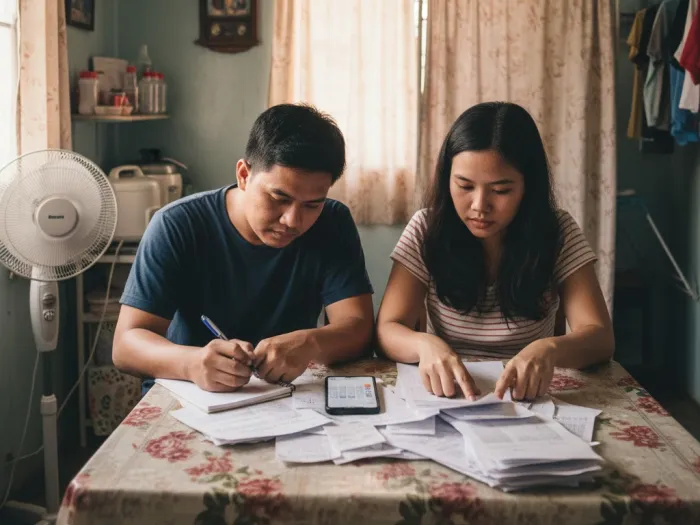
Improving your credit score isn’t an overnight fix. It’s a slow climb built on consistency, patience, and a few smart money decisions. But once you understand what lenders look for, you can turn things around faster than you think. Most Pinoys who clean up their credit score start seeing improvements in a few months, sometimes even sooner if they fix the biggest issues early.
Here’s the step-by-step path you can follow:
✔ 1. Always Pay Bills on Time (Non-Negotiable)
This is the number one rule. Late payments hit your credit score harder than anything else. Kahit one day lang, it counts. Whether it’s your credit card, personal loan, or even a telco plan, every missed due date gets sent to CIC.
Local Hack: Set all due dates on your phone calendar and turn on repeat alerts. Sounds basic, pero it saves you from forgetting during busy weeks.
✔ 2. Keep Your Credit Card Utilization Low
If you have a credit card, avoid maxing it out. A good rule is to use 30% or less of your limit. If your limit is ₱20,000, try to spend only around ₱6,000. High usage signals risk, even if you pay in full later.
Budget Move: Spread purchases across the month instead of doing one big swipe para hindi sabog yung usage mo.
Related Posts
✔ 3. Pay Down Outstanding Balances Strategically
If you have multiple debts, start paying off the ones with the highest interest. Reducing your overall balance gives your score room to climb. Kahit paunti-unti, basta consistent, gumaganda ang record mo.
Timing Trick: Make small payments right after payday. It lowers your balance before your bank reports it.
✔ 4. Avoid Applying for Too Many Loans or Cards at Once
Every application leaves a small mark on your credit history. Too many inquiries in a short period make lenders nervous. It looks like you’re desperate for funds, which lowers your credit score.
Smart Move: Wait at least 3–6 months between applications unless absolutely necessary.
✔ 5. Build Credit Slowly if You’re Just Starting Out
No credit history? No problem. You can start by getting a secured credit card from your bank. It’s backed by your savings account, so approval is almost guaranteed. Perfect for beginners and young adults.
Local Hack: Use it for small, regular expenses like groceries or mobile load. Then pay in full every month. Boom, instant credit history.
✔ 6. Check Your CIC Credit Report Regularly
Don’t guess. Know your score. You can request your official CIC credit report online or from accredited partners. This helps you spot errors, outdated info, or duplicate records. Sometimes, a wrong entry is all it takes to pull your score down.
Heads Up: If you see inconsistencies, file a dispute ASAP. Cleaning up errors can boost your score almost instantly.
✔ 7. Keep Old Accounts Active (When Possible)
Old, well-managed accounts show long-term responsibility. Don’t rush to close your oldest credit card just because you got a new one. The longer your good history, the better your score.
✔ 8. Avoid Missed Payments on ANY Account (Even Telco or Internet)
Here’s the shocker: Globe, Smart, PLDT, Converge – they all report to CIC. So yes, unpaid phone bills or overdue WiFi plans can hurt your credit score just as much as a credit card.
Quick Tip: Keep receipts or screenshots of payments. Sometimes posting delays happen.
Improving your credit score in the Philippines isn’t about perfection. It’s about consistency and small wins. Once you see progress, it becomes easier to maintain good habits. And before you know it, the score that once stressed you out becomes a tool for better opportunities.

📂 Common Credit Score Mistakes Pinoys Should Avoid
Most Filipinos damage their credit score without even realizing it. Minsan simple habits lang, or small lapses that pile up over time. The problem is banks don’t forget. CIC doesn’t forget. And future lenders definitely don’t forget. If you want to improve your credit score in the Philippines, you also have to stop the habits that keep pulling it down.
Here are the biggest credit score killers to avoid:
❌ 1. Ignoring Small Bills or Letting Them Pile Up
A ₱500 phone bill unpaid for two months? A forgotten postpaid plan? That’s enough to dent your record. Telcos report late payments, and these tiny lapses can hurt even more than you expect.
Why it hurts: It shows lenders na basic bills pa lang, hirap ka na i-manage.
❌ 2. Paying Only the Minimum on Credit Cards
Minimum payments keep your card “active,” pero your balance stays high, which signals risk. High utilization drags your score down and increases your interest over time.
Better move: Pay the full balance kung kaya. If not, at least pay more than the minimum.
❌ 3. Closing Your Oldest Credit Card
Some people do this once they get a new card. Bad idea. Your oldest account shows the longest proof of good financial behavior. Cutting it removes years of positive history.
Rule of thumb: Keep the oldest card active with small purchases.
❌ 4. Taking Multiple Loans All at Once
Applying for 2–3 loans within the same month looks desperate. It alarms banks. Every inquiry leaves a mark called a “hard pull,” which reduces your score slightly.
Fix: Space out your applications by at least 3–6 months.
❌ 5. Borrowing From Shady Lending Apps
Quick cash lending apps seem convenient, but many of them charge insane interest and report late payments aggressively. Pag nag-delay ka lang, boom… credit history hit agad.
Tip: Stick to banks, cooperatives, or established lenders.
❌ 6. Constantly Maxing Out Your Credit Card
Some people use their card like an extension of their income. No matter how on-time you pay, consistent maxing out makes your behavior look risky.
Goal: Keep usage below 30% of your limit.
❌ 7. Not Checking Your CIC Report Regularly
Errors happen more often than people think. Old loans marked “unpaid,” duplicates, or outdated balances can destroy your credit score silently.
Reminder: Always verify your report. Your score depends on accuracy.
Avoiding these mistakes makes a huge difference. Sometimes it’s not about doing more; it’s about removing the habits that harm your credit health. Once you fix these, improving your score becomes smoother, faster, and less stressful.
📈 How Long It Takes to See Improvements in Your Credit Score
A lot of Pinoys expect their credit score to bounce back right away once they start fixing their habits. Sana ganun kadali… but credit scores move slowly. Think of it like rebuilding trust. Hindi pwedeng overnight, but every good decision you make pushes your score in the right direction.
Here’s what the typical improvement timeline looks like for most Filipinos:
⏳ 1. Small Improvements: 1 to 3 Months
If you correct minor issues like late payments or high credit card usage, you might see small bumps in a few months. Lenders notice when you consistently pay on time and keep your balances low.
Examples of quick wins:
- Paying overdue bills
- Reducing credit card use below 30%
- Clearing small debts
- Fixing incorrect entries in your CIC report
These alone can give your score a noticeable lift.
⏳ 2. Moderate Recovery: 3 to 6 Months
If you’ve had several late payments or multiple active loans, this is usually the window where improvement becomes clearer. CIC updates are not instant. But once your lenders report good behavior, your score gradually climbs.
Typical actions:
- Paying down big outstanding balances
- Keeping bills current for several months
- Stopping “credit-hungry” behavior like multiple loan applications
This shows the system that you’re stable again.
⏳ 3. Full Rebuild: 6 Months to 1 Year
If your score took major hits due to loan defaults, unpaid cards, or serious delays, expect a longer recovery. Hindi ito punishment; it’s just the system protecting lenders. But with disciplined habits, you will see improvement.
What helps long-term:
- Maintaining zero missed payments
- Keeping old accounts active
- Allowing your credit history to age
- Avoiding unnecessary credit for a while
Over time, your good habits start outweighing your past mistakes.
⏳ Key reminder:
Credit scores in the Philippines don’t update daily. Some lenders report monthly, some quarterly. So even if you’re doing everything right, the reflected change may come later. But once updates hit, your efforts start paying off.
Rebuilding your credit score in the Philippines isn’t a race. It’s a steady climb that rewards consistency. Every on-time payment, every reduced balance, every responsible choice pushes your score higher — setting you up for fewer rejections and better financial opportunities ahead.
📄 Where to Get Your Official Credit Report in the Philippines
If you want to improve your credit score Philippines style, you can’t just guess your score. You need to see the actual record lenders look at. Most Pinoys don’t know this, pero you can request your official credit report anytime — and it’s easier than people expect. The Credit Information Corporation (CIC) is the central hub where all lenders submit your loan and payment data.
This means your CIC report is the closest you’ll get to your real credit standing.
Here’s where and how you can get it:
🏛 Option 1: CIC Accredited Accessing Entities (AEs)
These are official partners authorized to release your credit report. You can request online or walk in, depending on the provider.
Commonly used AEs include:
- CIBI Information Inc.
- CRIF Philippines
- TransUnion Philippines
- Compuscan Philippines
Each provider has slightly different fees (usually around ₱150 to ₱200), processing time, and formats. But all are valid sources recognized by CIC.
Why it’s useful: You get a full history of your loans, late payments, active accounts, and inquiries.
🌐 Option 2: CIC Online Appointment Request
If you want your report straight from CIC itself, you can book an online appointment through their official site. They’ll email instructions on how to verify your identity and schedule your release.
Heads up: CIC does not instantly send reports. Expect a few days of processing.
📍 Option 3: Walk-in at the CIC Office
For those na mas komportable with in-person processing, you can request your report at the CIC office. Government ID is required.
📑 What You’ll See in Your CIC Report
Your report includes:
- All active and closed loans
- All credit cards under your name
- Payment history (on time vs delayed)
- Existing outstanding balances
- Loan applications (inquiries)
- Any defaults or restructures
This data helps you understand why your score looks a certain way — and what to fix. Minsan, may errors or outdated entries. These can hurt your score without you knowing.
🔧 If You Spot Errors, Fix Them Immediately
CIC allows you to file a dispute for any incorrect or outdated information. They coordinate with the lender to verify and update the entry. Pag naayos yan, your score can jump almost instantly.
Getting your official report isn’t just about curiosity. It’s your roadmap. It shows your blind spots, your missed payments, and even your wins. And once you see the big picture, mas klaro kung ano talaga ang kailangan mong ayusin to strengthen your credit score over time.
❓ FAQs on Improving Your Credit Score in the Philippines
• What is a good credit score in the Philippines?
A good credit score generally means you have a strong history of paying bills on time, keeping balances low, and avoiding overdue accounts. Since the Philippines uses various scoring models from CIC-accredited bureaus, there’s no single “magic number.” What lenders really look for is consistent, responsible behavior across your loans and credit cards. If your report shows clean patterns, approvals become much easier.
• How often should I check my CIC credit report?
Most Filipinos only need to check their credit report once or twice a year. But if you’re planning to apply for a loan or credit card soon, checking every six months is ideal. It helps you spot errors, outdated entries, or late payments you might have forgotten. Regular monitoring keeps your financial history clean and updated.
• Will unpaid telco bills affect my credit score?
Yes. Unpaid or late payments from Globe, Smart, PLDT, or Converge can hurt your credit score because these companies report directly to the Credit Information Corporation. Even a small overdue balance can leave a mark. Settling telco bills promptly protects your record and helps maintain lender confidence.
• How long does it take to improve a bad credit score?
Minor issues can improve in as little as 1–3 months once you fix overdue bills and lower your balances. Moderate rebuilds take around 3–6 months, especially if you had several late payments. But if you had defaults or loan restructuring, expect 6 months to a year to see major recovery. Consistency is the key.
• Does paying the minimum on my credit card hurt my score?
Paying only the minimum keeps your account active but leaves your balance high, which signals risk to lenders. High utilization can drag your score down even if you pay on time. To protect your credit score, pay more than the minimum whenever possible. Clearing your full balance is ideal.
• Do multiple loan applications affect my credit score?
Yes. Every loan or credit card application triggers a “hard inquiry,” which can slightly lower your score. Applying too many times in a short period makes lenders think you’re desperate for credit. Spacing out applications by several months helps preserve your credit health.
• Can I still get a loan with a low credit score?
Some lenders may approve you, but expect tighter requirements, lower amounts, or higher interest rates. A low score tells lenders you’re a higher-risk borrower, so they protect themselves with stricter terms. Improving your score first often leads to easier, cheaper loan options. It’s worth the wait.
• Does a secured credit card help build credit history?
Yes. Secured credit cards are one of the easiest and safest ways to build or rebuild your credit score. They behave like regular cards, and your payment behavior gets reported to CIC. Using it for small purchases and paying on time every month creates a strong foundation for your score.
• How long do late payments stay on my record?
Late payments can stay visible on your credit report for several months depending on when lenders update their records. Some banks report monthly, while others update quarterly. The good news is consistent on-time payments afterward slowly drown out old mistakes. Over time, good habits matter more.
• Can CIC errors be corrected if I find something wrong?
Yes. You can file a dispute through CIC or the reporting lender if you find incorrect or outdated information. They will verify and update the entry once confirmed. Correcting errors can lead to immediate score improvements, especially if the mistake involved unpaid or duplicated accounts.
🌟 Building a Stronger Credit Future, One Small Step at a Time
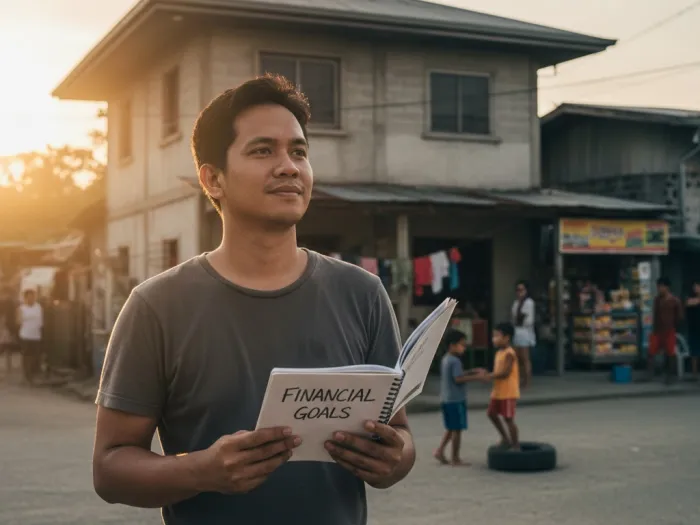
Improving your credit score isn’t about perfection, and it’s definitely not about competing with anyone else. It’s about taking control of your financial story little by little, one payment, one habit, one smart choice at a time. Most Pinoys don’t grow up learning about credit scores, so if you’re starting late or fixing past mistakes, that’s normal. Wala namang perfect. What matters is you’re moving forward.
With every on-time payment, every reduced balance, and every responsible decision, you’re shaping a future where banks trust you more and opportunities open with less friction. A good credit score isn’t just a number — it’s peace of mind, confidence, and breathing room. And someday, when approvals become easier and interest rates become kinder, you’ll look back at this moment and realize you built that stability through your own diskarte and discipline.
Let this be the start of a stronger, calmer, and more empowered financial chapter. Kaya mo ‘to.