

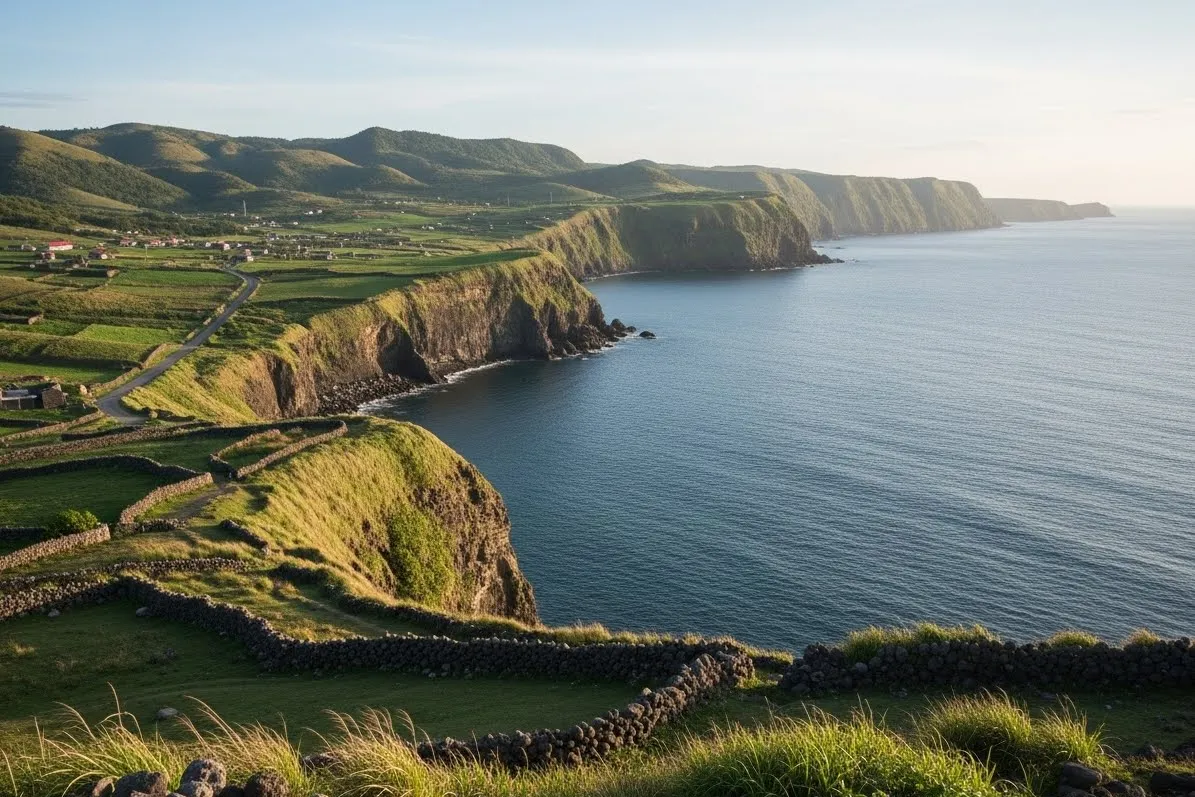

There’s something about Batanes that pulls you in even before you land. Maybe it’s the idea of cliffs rolling into the sea, or the quiet roads where time slows down, or the stories friends tell about Ivatan kindness. Pero totoo, the moment you step off that tiny plane, you’ll feel it, that mix of peace and awe that makes you whisper, “Iba ‘to.” And if it’s your first time, everything hits even harder. The wind, the light, the silence, the way the islands feel untouched, almost sacred.
- ✈️ How to Get to Batanes (Flights, Schedules, and Local Tips)
- 🏝️ Where to Stay in Batanes: Best Areas, Rates, and What to Expect
- 🚲 Getting Around Batanes: Transport Options, Costs, and Local Moves
- 📍 Top Batanes Tourist Spots You Shouldn’t Miss (North, South, and Sabtang)
- 🍽️ Where and What to Eat in Batanes: Local Dishes, Prices, and Food Spots
- 🧭 Best Time to Visit Batanes (Weather, Seasons, and What to Expect)
- 💸 Batanes Budget Guide: Costs, Sample Expenses, and Smart Saving Tips
- 🧳 Sample Batanes Itinerary for First Time Visitors (3 to 5 Days)
- 🧂 Important Batanes Travel Tips Every First Timer Should Know
- ❓ Frequently Asked Questions About Batanes Travel
- 🌅 When the Wind Finally Slows: What Batanes Teaches You on the Way Home
But traveling to Batanes can feel overwhelming at first. Flights are pricey, weather is famously moody, and the islands are spread out enough that planning a route can be confusing. So this Batanes Travel Guide exists to make that first trip smoother, more affordable, and grounded in the real Batanes pace. No fluff, no fancy-tourist hype. Just a simple, heart-level guide to help you enjoy the islands the way locals live: slow mornings, honest food, and landscapes that remind you life is bigger than your sweldo-to-sweldo worries.
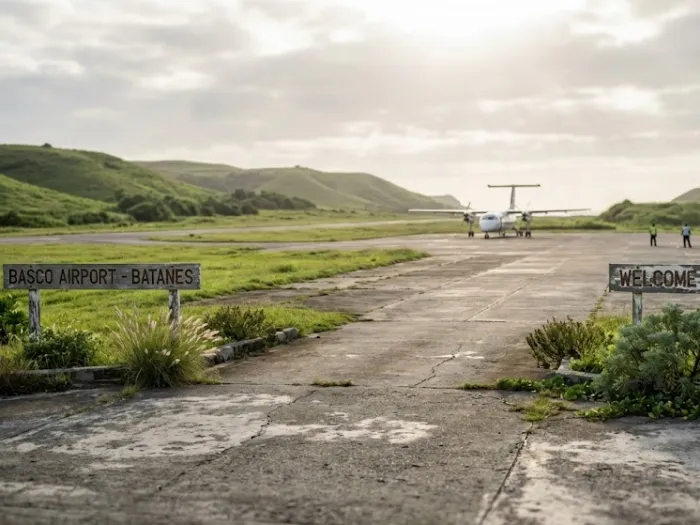
✈️ How to Get to Batanes (Flights, Schedules, and Local Tips)
For most travelers, the journey to Batanes starts with that early-morning flight, the kind where you’re half-asleep but excited like a kid on a field trip. And because Batanes has no boats for regular passengers from Luzon and no large ferries from nearby provinces, flying is the only practical way to get in. The airports are small, the runways even smaller, and the weather, well… Batanes likes to keep you guessing.
Flight Options From Manila, Clark, and Cebu
Three airports typically serve Basco Airport (BSO), the main gateway:
- Manila (NAIA) – most frequent flights, daily or semi-daily
- Clark (CRK) – sometimes cheaper, less crowded airport
- Cebu (CEB) – seasonal flights, limited schedule
Airline options include:
- Cebu Pacific – the most common
- Philippine Airlines – sometimes pricier but reliable
- Sky Pasada – small fleet, but historically served the route
Average one way cost: ₱4,000 to ₱12,000 depending on timing, season, and promo luck.
And yes, minsan parang hulugan ang presyo… but when you see the views from the plane as you descend, it suddenly feels worth it.
Best Time to Book Your Flights
Batanes flights tend to spike around:
- Summer (March to May)
- Holy Week
- Long weekends
- Dry months when weather is friendlier
If you can, book 2–3 months ahead. Promo fares do appear, but they’re rare, mabilis maubos, and usually morning flights.
Weather Delays: What First Timers Must Expect
Batanes is beautiful, but it is also windy, stormy, moody. Flights can be:
- Delayed for hours
- Cancelled outright
- Rescheduled to the next day
It’s not the airline’s fault most of the time, it’s the sky. So pad your itinerary with patience, extra snacks, and maybe a flexible hotel booking. Locals say, “If Batanes wants you to stay longer, it will.”
Quick Table: Flight Comparison
| Departure City | Average Fare (One Way) | Notes |
|---|---|---|
| Manila | ₱4,500–₱12,000 | Most flights, best availability |
| Clark | ₱4,000–₱10,000 | Smaller airport, fewer crowds |
| Cebu | ₱6,000–₱13,000 | Seasonal flights only |
A Little Ending Thought for This Section
Traveling to Batanes starts with surrendering to the journey. You can plan every detail, but the islands decide the mood. And maybe that’s part of the charm, ‘di ba? The feeling that your trip begins the moment you decide to go, not the minute you land.
🏝️ Where to Stay in Batanes: Best Areas, Rates, and What to Expect
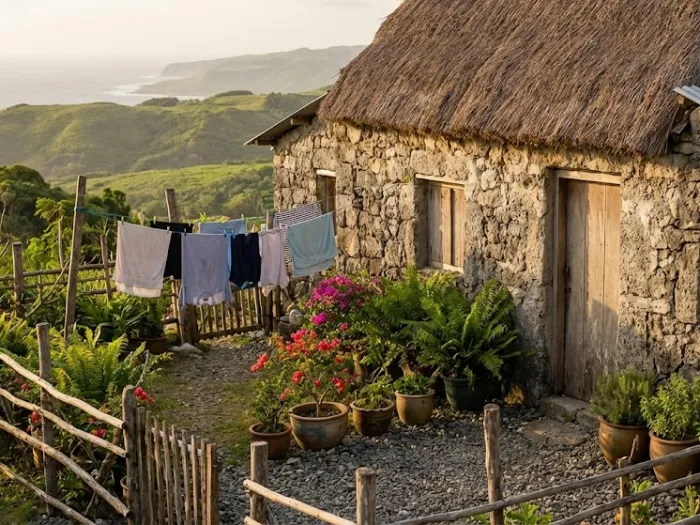
One of the best things about Batanes is how simple everything feels, including the places you stay. No towering hotels, no loud beachfront bars, no flashy tour desks. Instead, you’ll find homestays, inns, and small lodges run by families who’ve lived on the islands for generations. It feels personal, warm, parang pumunta ka sa probinsya ng kaibigan na hindi mo pa nakikilala.
Which Area Should You Stay In?
Most travelers choose between two main areas:
Basco (North Batan)
- Best for first timers
- Close to the airport
- Near restaurants, small groceries, and ATMs
- Tours usually start here
If you want convenience and easy access to everything, Basco is where you stay.
Mahatao or Ivana (South Batan)
- Quieter, more rural vibe
- Beautiful ocean and field views
- Fewer stores, fewer bikes for rent
Perfect if you want that slow-island-life feeling.
Sabtang Island Stays
Some spend a night here after the day tour. Limited rooms, but the experience is different – peaceful, with the sound of waves reminding you you’re far from the noise of mainland life.
Price Guide: Typical Rates in Batanes
| Type of Stay | Estimated Rate (per night) | What You Get |
|---|---|---|
| Homestays | ₱500–₱1,200 | Fan room, shared CR, basic essentials |
| Lodges & Inns | ₱1,500–₱3,000 | Aircon, private bathroom, hot shower |
| Mid-range hotels | ₱3,000–₱5,000 | Bigger rooms, better amenities, still very humble |
| Sabtang accommodations | ₱800–₱1,500 | Simple rooms, close to nature |
What to Expect From Batanes Accommodations
- Rooms are modest, not luxury
- Wifi is slow to none
- Hot showers may or may not be available
- Power interruptions happen sometimes
- But the hospitality? Sobra. Warm. Genuine.
You’ll often find yourself chatting with the owner about island life, weather patterns, or where to find the best tinaktak or coconut crab.
A Small Ending Note for This Section
Staying in Batanes isn’t about comfort in the hotel sense. It’s about comfort in the human sense – quiet nights, friendly hosts, and a place that feels safe even to your thoughts. It teaches you to slow down, breathe, and just be.
🚲 Getting Around Batanes: Transport Options, Costs, and Local Moves
Moving around Batanes is part of the adventure. Roads curve through rolling hills, cliffs drop straight into the sea, and sometimes you’ll pass only one or two vehicles the entire morning. Everything feels slower here, more deliberate, parang bawat liko may sarili kang soundtrack in your head. But for first timers, figuring out how to get around Batanes can be confusing, so let’s break it down.
Main Transport Options
1. Guided Tours (Most common for first timers)
- Usually grouped into North Batan Tour, South Batan Tour, and Sabtang Island Tour
- Rates typically range: ₱1,000–₱2,500 per tour per person
- Includes van, driver guide, fuel
- Comfortable and hassle free
If it’s your first visit, this is the smoothest way to explore. No stress, no guessing, bahala na si kuya tour guide.
2. Motorcycle Rental
- ₱1,000–₱1,500 per day
- Fuel not included
- Freedom to roam at your own pace
- Must have a valid driver’s license
Batanes is one of the safest places to ride, but the winds can be strong, so ingat lang sa sharp turns.
Related Posts
3. Bicycle Rental
- ₱300–₱500 per day
- Best for Basco town proper
- Not ideal for the outer areas unless you’re physically fit
- Hills can be brutal, honest lang tayo
Great if you want slow mornings, coffee, and coastal breezes while pedaling through quiet roads.
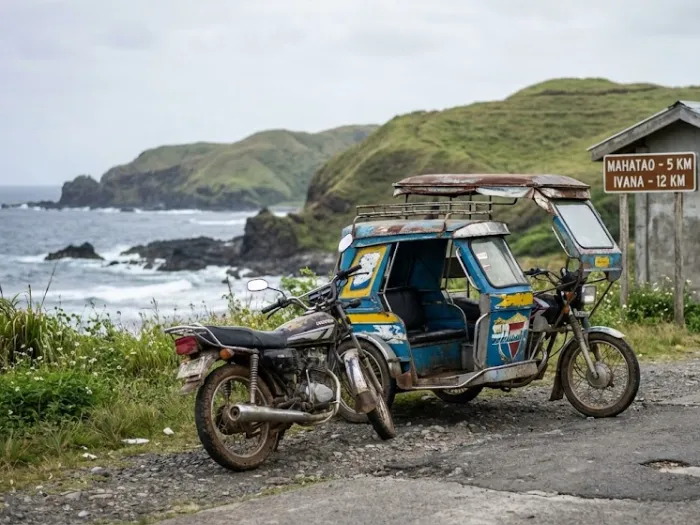
4. Tricycles
- Regulated fares
- Useful for short trips around Basco
- Can be hired for custom tours
- More expensive than mainland tricycles
Perfect for getting to restaurants, shops, or the lighthouse before sunset.
Transport Options Table
| Type | Best For | Estimated Cost |
|---|---|---|
| Guided Tours | First timers, convenience | ₱1,000–₱2,500 per tour |
| Motorcycle | Flexible DIY travelers | ₱1,000–₱1,500 per day |
| Bicycle | Short casual rides | ₱300–₱500 per day |
| Tricycle | Quick point to point | Regulated fares |
Local Moves That Help First Time Visitors
- Book a tour ahead, especially during summer
- Ask locals for weather updates, they know by the wind direction
- If renting a motorbike, avoid cliffside roads on extremely windy days
- Always carry cash, most rentals don’t do GCash
- Tricycles in Batanes do not overcharge, but always ask for the official rate
A Gentle End to This Section
Getting around Batanes teaches you to embrace simplicity. No rush, no traffic, no chaos. Just the open road, the hills, and that quiet feeling that you’re somewhere honest. And maybe that’s why people keep coming back.
📍 Top Batanes Tourist Spots You Shouldn’t Miss (North, South, and Sabtang)
Batanes can feel overwhelming not because it’s crowded, but because everything looks like a postcard. Every turn has a view, every cliff feels like a painting, and sometimes you catch yourself just staring at the horizon thinking, “Grabe, ganito pala kaganda ang Pilipinas.” But if it’s your first time, it helps to know the highlights so you don’t miss the best corners of the islands.
North Batan: The Classic First Timer Route
These are the usual half-day stops:
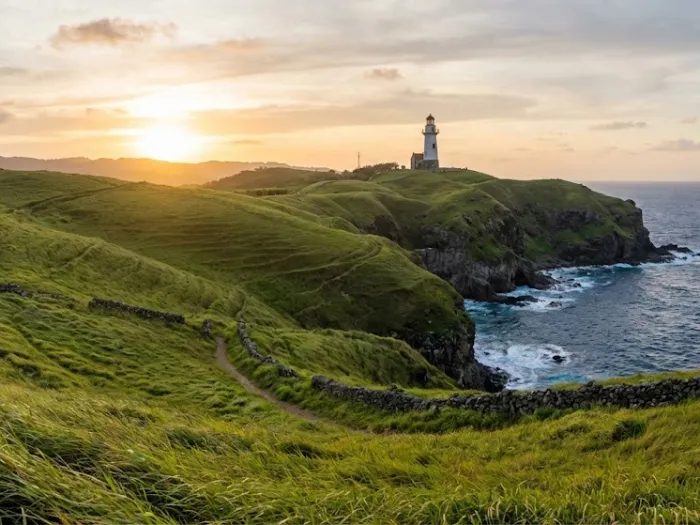
Basco Lighthouse (Naidi Lighthouse)
Iconic, quiet, and incredibly photogenic. Best visited during golden hour when the wind cools and the sky softens.
Valugan Boulder Beach
Smooth volcanic rocks instead of sand. Waves are strong, the mood is dramatic. No swimming here, just scenery that hits different.
Vayang Rolling Hills
One of the most breathtaking viewpoints. Grass, sky, sea… and nothing else. Bring a jacket, the wind can feel like a hug or a slap depending on the mood.
Dipnaysupuan Japanese Tunnel
Short walk, interesting history, dim and cool inside. Worth the stop.
South Batan: Sweeping Landscapes and Deep Calm
Usually a full-day tour:
Chawa View Deck
Cliffside steps leading to crashing waves. Simple but beautiful.
Marlboro Hills (Racuh a Payaman)
The most photographed spot in Batanes. Rolling green slopes, grazing cows, and that endless ocean view.
Alapad Rock Formation
Famous for its dramatic rock cuts and the “Blow Ur Horn” sign. Your photos will look like a movie scene.
House of Dakay
One of the oldest stone houses still standing, preserved against storms and time.
Sabtang Island: The Cultural Gem
A separate island reachable by early morning boat ride:
Savidug and Chavayan Villages
Stone houses, narrow paths, and a quiet that feels sacred. Respect the spaces, these are living communities.
Morong Beach & Mahayaw Arch
Soft white sand and a natural rock arch. Simpler, quieter, and incredibly serene.
Sabtang Lighthouse
Less visited, but worth a quick stop for photos and sunset vibes.
Quick Table Summary of Areas
| Area | Highlights | Best For |
|---|---|---|
| North Batan | Lighthouse, Boulder Beach, Rolling Hills | First-time sightseeing |
| South Batan | Marlboro Hills, Alapad, House of Dakay | Landscapes & culture |
| Sabtang Island | Stone villages, Morong Beach | Culture lovers, photographers |
Ending Thought for This Section
Your first trip to Batanes will surprise you in small ways. A gust of wind, a view around a bend, a quiet path no one talks about online. Sometimes the spots in between famous destinations become your favorite memories. That’s how Batanes works… it whispers.
🍽️ Where and What to Eat in Batanes: Local Dishes, Prices, and Food Spots
Food in Batanes is simple, honest, and shaped by the weather and the sea. Don’t expect fancy cafes or big restaurants here. Instead, you’ll find home cooked meals, fresh seafood, and dishes passed down through Ivatan families. It’s the kind of food that doesn’t try too hard, pero tatama sayo in a quiet, comforting way.
Must Try Ivatan Dishes
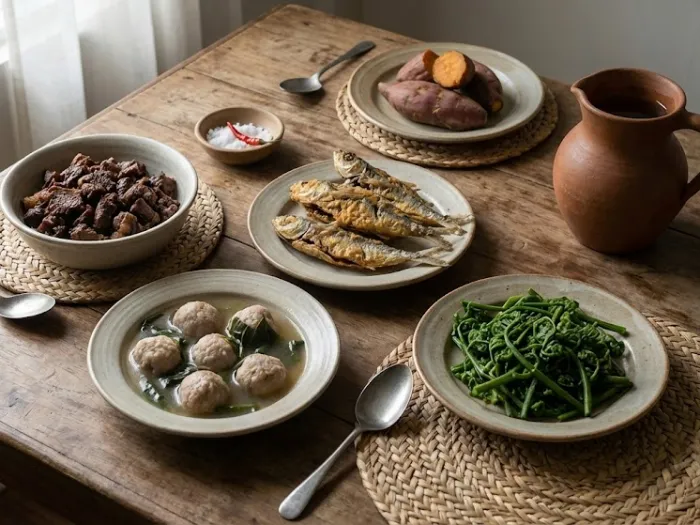
Uvud Balls
A classic Ivatan comfort food made from banana pith, minced pork, and veggies. Soft, subtle, and served in a clear broth that warms you after a windy day.
Venus or Vunes
Dried gabi stalks sautéed with pork. Earthy flavor, slightly chewy, perfect with warm rice.
Luñis
The Ivatan version of adobo, cooked dry until the pork turns tender and salty. Simple but addictive.
Dibang (Flying Fish)
Served fried or grilled. Mild taste, super fresh, usually caught the same morning.
Payi (Lobster)
Not cheap, but cheaper here than in most places in the country. Great for special meals.
Where to Eat in Batanes
Pension Ivatan (Basco)
Famous for its platter of local specialties. Great for first timers who want to try everything at once.
Paypanapanayan Canteen
Affordable, home cooked, and always busy. Feels like eating sa bahay ng kapitbahay.
Octagon Bed & Dine
Beautiful views while eating. Best for sunsets.
Beehan Store
Not a restaurant, but a local favorite for snacks, drinks, quick bites. Good stop before or after a tour.
Estimated Food Prices
| Item | Price Range | Notes |
|---|---|---|
| Regular meals | ₱150–₱300 | Homestyle, filling |
| Seafood dishes | ₱250–₱450 | Depends on catch of the day |
| Luñis set | ₱200–₱350 | Commonly found |
| Lobster (per serving) | ₱500–₱900 | Seasonal |
| Carinderia meals | ₱80–₱150 | Best for budget travelers |
A Taste of Batanes You’ll Remember
You’ll notice something habang kumakain ka dito. No loud music, no rush, no franchise vibe. Just the sound of the wind outside and a plate that feels like a quiet slice of island life. And maybe that’s why the food stays with you long after the trip, because every meal feels connected to the land and the people who call Batanes home.
🧭 Best Time to Visit Batanes (Weather, Seasons, and What to Expect)
If there’s one thing Batanes teaches every traveler, it’s humility. The islands follow their own rhythm, their own mood swings, and sometimes their own rules about when you can come and go. Kaya mahalaga to understand the best time to visit Batanes, not just for good weather, but so your trip feels calm instead of stressful.
Batanes Weather Breakdown
Batanes has two big personalities:
Dry Season (March to June)
- Best for clear skies and photos
- Green rolling hills
- Calm seas on good days
- Most popular among tourists
The sun can get intense, but the breeze makes it manageable.
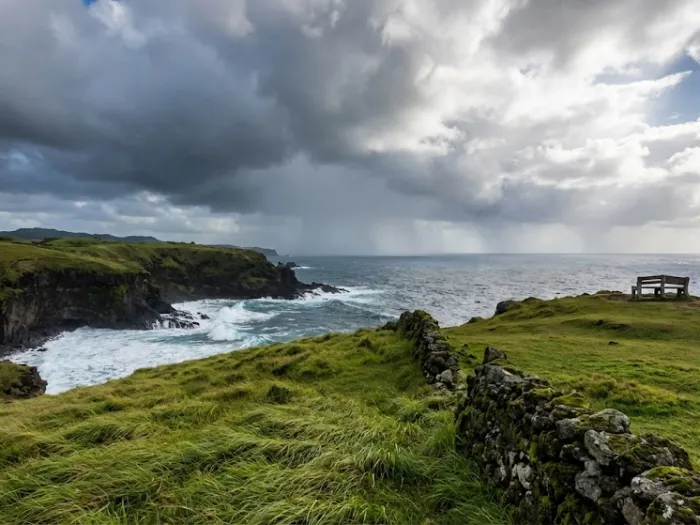
Windy Season (July to October)
- Strong winds, frequent rains
- Higher chance of cancelled flights
- Fewer tourists
- Dramatic views and moodier landscapes
Perfect for travelers who like quiet places and don’t mind unpredictable skies.
Cool Season (November to February)
- Cold mornings and evenings
- Pleasant for motorbike rides
- Landscapes turn a deeper, moodier green
- Flights more stable than peak rainy months
Locals love this time because the air feels clean and crisp.
Quick Season Comparison Table
| Season | Weather | Ideal For |
|---|---|---|
| Dry (Mar–Jun) | Sunny, green | First timers, photos |
| Windy (Jul–Oct) | Stormy, unpredictable | Off peak travelers |
| Cool (Nov–Feb) | Breezy, cold | Riders, chill trips |
What to Consider Before Picking Dates
- Flights can get cancelled anytime, even during good seasons
- Book flexible accommodations when possible
- Always allocate 1 buffer day before your return flight
- Bring layers, the wind is no joke
- Big holidays mean fully booked tours
A Note From the Islands
You don’t choose the perfect Batanes weather, you choose the kind of trip you want. Some people chase clear skies, others fall in love with the moody wind and quiet roads. Either way, the islands have a way of showing the right kind of beauty at the right time.
💸 Batanes Budget Guide: Costs, Sample Expenses, and Smart Saving Tips
People often think a Batanes trip is “pang-mayaman only,” but once you break down the numbers, it’s surprisingly manageable with good planning. The key is knowing where your money goes so you can adjust early, kasi mahirap na ‘yung biglaan kapag nandoon ka na sa isla. Everything is either flown in or limited by weather, so prices make sense once you’re there.
Typical Trip Expenses for First Timers
Here’s what a usual 3 to 4 day trip might look like:
Flights
- ₱8,000–₱15,000 round trip (depending on promos and timing)
Accommodation
- Homestays: ₱500–₱1,200 per night
- Lodges/Inns: ₱1,500–₱3,000 per night
- Mid-range: ₱3,000–₱5,000 per night
Tours
- North Batan: ₱1,000–₱1,500 per person
- South Batan: ₱1,500–₱2,500 per person
- Sabtang Island: ₱1,500–₱2,500 per person
Food
- Carinderia meals: ₱80–₱150
- Restaurant meals: ₱150–₱350
- Seafood dishes: ₱250–₱450
Transportation
- Motorbike: ₱1,000–₱1,500 per day
- Bicycle: ₱300–₱500 per day
- Tricycle (Basco trips): ₱60–₱200
Sample 4 Day Budget
| Category | Estimated Cost | Notes |
|---|---|---|
| Flights | ₱10,000 | Promo fares lower this |
| Lodging | ₱2,500 | Based on homestay |
| Tours | ₱4,000 | North + South Batan |
| Sabtang Tour | ₱2,000 | Optional but recommended |
| Food | ₱1,000 | Mix of carinderia and restaurants |
| Transport | ₱600 | Trikes or bike rental |
| Total | ₱20,100 | Realistic for 4 days |
This budget can drop to around ₱15,000 if you:
- Catch a flight sale
- Eat mostly at homestyle canteens
- Join group tours instead of private ones
Money Saving Tips for Batanes
- Travel during off peak season for cheaper rooms
- Book flights 2–3 months early
- Bring snacks or essentials from Manila
- Choose a homestay with kitchen access
- Share tours with other travelers
- Walk around Basco to save on trike rides
- Bring cash, kasi ATMs can go offline unexpectedly
A Quiet Note About Budgeting in Batanes
When you plan your expenses here, you’re not just budgeting for a trip. You’re choosing the kind of experience you want to have. Whether you spend big or keep it lean, the views don’t change and the calm stays the same. In Batanes, simplicity is the real luxury.
🧳 Sample Batanes Itinerary for First Time Visitors (3 to 5 Days)
Planning an itinerary for Batanes can feel tricky when everything looks beautiful and every corner feels worth a stop. But once you understand the flow of the islands, the days fall into place naturally. The goal is not to rush. Batanes rewards those who move slowly, breathe deeply, and let the wind guide the pace.
3 Day Itinerary (Short But Solid)
Day 1 – Arrival + North Batan Tour
- Arrive in Basco
- Check in
- Visit Naidi Lighthouse
- Valugan Boulder Beach
- Vayang Rolling Hills
- Japanese Tunnel
- Sunset at Basco viewpoint
Day 2 – South Batan Tour
- Marlboro Hills
- Chawa View Deck
- House of Dakay
- Alapad Rock Formation
- Honesty Coffee Shop
- Ivana Church
Day 3 – Sabtang Island
- Early boat ride
- Stone villages
- Morong Beach
- Sabtang Lighthouse
- Back to Basco for your flight home
Great for those coming in for a long weekend.
4 Day Itinerary (More Relaxed)
Day 1 – Basco + Light Sightseeing
- Explore Basco town on foot
- Try local food
- Lighthouse sunset
Day 2 – North Batan Tour
Day 3 – South Batan Tour
Day 4 – Sabtang Island Tour + Pasalubong shopping
Ideal if you want a balance of exploration and downtime.
5 Day Itinerary (Best for First Timers)
Day 1 – Arrival + Slow afternoon
- Settle in, walk around town
- Light dinner
- Adjust to the wind and quiet
Day 2 – North Batan
Day 3 – South Batan
Day 4 – Sabtang Island
Day 5 – Free Day
- Bike around Basco
- Coffee by the hills
- Visit places you missed
- Enjoy a slow morning before your flight
The extra day makes the trip feel less tight and gives you time to appreciate the rhythm of the place.
Itinerary Snapshot Table
| Duration | Ideal For | Highlights |
|---|---|---|
| 3 Days | Short trips | North, South, Sabtang |
| 4 Days | First timers | Town strolls + major tours |
| 5 Days | Best overall | Slow days, full coverage |
A Little Travel Truth About Batanes
The best itinerary for Batanes isn’t the one that covers the most spots. It’s the one that lets you feel the wind, watch the waves, and see the hills without rushing. You don’t go to Batanes to check off boxes. You go to remember what slow feels like.
🧂 Important Batanes Travel Tips Every First Timer Should Know
Batanes might be small, but it runs on its own quiet rules. The people, the weather, even the roads have a rhythm that’s different from anywhere else in the Philippines. These travel tips are here para hindi ka mabigla, and so your Batanes Travel Guide experience feels smooth, respectful, and grounded.
Respect the Weather (It’s the Real Boss Here)
Locals say they can tell the weather by how the wind sounds on their windows. If your guide tells you a route isn’t safe today, trust them. Batanes isn’t the place to force your plans. When the wind shifts, everything follows.
Cash is King
ATMs can go offline during weather changes or maintenance. Most small inns and restos don’t accept GCash or cards. Bring enough cash for tours, food, and emergencies.
Be Mindful of Noise and Space
Ivatans value peace. People speak softly, roads are quiet, and even dogs rarely bark. Keep your voice low, especially in villages, churches, and homestays.
Ask Permission Before Taking Photos of People
Stone houses and old villages are not tourist sets. They’re homes. A simple smile and “pwede po?” goes a long way.
Bring a Jacket Even on Sunny Days
The wind can flip moods quickly. One minute you’re sweating, the next you’re hugging yourself for warmth. Layering is your friend.
No Touching Historic Structures
Stone houses, village paths, and even certain rock formations are fragile. Don’t lean, climb, or sit on them. They’ve survived storms for centuries, but not tourists treating them like props.
Local Etiquette to Remember
-
Don’t litter. Ever.
-
Don’t pick flowers or plants.
-
Don’t disrupt grazing animals.
-
Don’t shout at scenic spots, even if it’s tempting to scream your feelings into the wind.
Pack Light but Smart
Bring:
-
A small waterproof bag
-
Powerbank
-
Light rain jacket
-
Comfortable shoes
-
Flashlight for Sabtang village walks
-
Snacks from Manila (food prices can be higher)
Travel Tips Table
| Tip Category | Why It Matters | Quick Reminder |
|---|---|---|
| Weather | Unpredictable skies | Be flexible |
| Money | Limited ATMs | Bring cash |
| Culture | Quiet communities | Keep noise low |
| Packing | Island conditions | Light layers help |
A Small Reminder From the Islands
Batanes changes you without trying. When you follow its gentle rules, you start moving with the same quiet confidence the locals have. You feel lighter, slower, calmer. And maybe that’s the real secret of traveling here, not the spots you see but how the place reshapes the way you move.
❓ Frequently Asked Questions About Batanes Travel
-
How much should I budget for a Batanes trip as a first timer?
Most travelers spend around ₱18,000 to ₱25,000 for a 4 day trip including flights, tours, food, and lodging. The biggest chunk is airfare, but costs drop a lot if you score a promo or travel off peak. Even with a modest budget, the views and overall experience stay the same. -
What is the best month to visit Batanes?
March to June offers the most stable weather and the brightest landscapes, ideal for first timers who want clear photos and calmer seas. November to February is cooler and more peaceful, while July to October is the windiest and most unpredictable. Your choice depends on whether you prefer sun, cold air, or quiet roads. -
Is Batanes safe for solo travelers?
Yes, extremely. Crime is almost nonexistent and locals are known for honesty and hospitality. You can walk around Basco at night without worry, but still be respectful of the community’s quiet culture. As with any remote destination, always monitor weather advisories. -
Do I need to book tours in advance?
It’s recommended especially during summer and long weekends. Tour slots fill quickly, and arranging everything ahead ensures a smoother itinerary. If you’re traveling during off peak months, you can still book on arrival but don’t expect full flexibility. -
How many days do I need for a full Batanes trip?
Four to five days allow you to enjoy North Batan, South Batan, and Sabtang without rushing. Three days works for quick trips, but the pace feels tighter. Batanes rewards slow travel, so the more days you add, the more the place settles into you. -
Is Sabtang Island worth visiting?
Absolutely. Sabtang offers some of the best preserved stone villages, peaceful beaches, and cultural experiences in the province. Most travelers say it’s their favorite part of the entire trip. Just be ready for an early boat ride and possible schedule changes. -
Can I rent a motorbike in Batanes without experience?
It’s possible but not ideal. The roads are safe but often windy, with steep curves and cliffside views that can be intimidating. If you’re not confident, stick to van tours or a tricycle hire to avoid unnecessary risks, lalo na during strong wind days. -
Are there ATMs or mobile payments in Batanes?
There are ATMs in Basco but they can go offline without warning due to weather or network issues. Most stores and inns accept cash only. Always bring enough cash to last the whole trip. -
What should I wear in Batanes?
Light clothing for sunny days and a jacket for windy afternoons. Comfortable shoes are a must for walking on hills and stone paths. Layers matter because the wind can switch from warm to cold in minutes. -
Can I swim on the beaches in Batanes?
Swimming is possible but not always recommended since many beaches have strong currents and rocky shores. Morong Beach in Sabtang is the most swim friendly. Always ask your guide first because conditions change quickly depending on weather and tide.
🌅 When the Wind Finally Slows: What Batanes Teaches You on the Way Home
There’s a moment on every Batanes trip when the noise in your head just… quiets. Maybe it’s standing on a hill with nothing but sky in front of you. Maybe it’s watching a lone tricycle hum through Basco at sunset. Or maybe it’s that early morning boat to Sabtang when the world feels half asleep and you suddenly realize how small and blessed we all are.
Traveling here isn’t just about checking off spots, eating local dishes, or taking pictures of lighthouses. It’s about remembering a version of yourself that isn’t rushed. A self that still listens. A self that still notices the way grass bends in the wind or how the ocean breathes in long, steady rhythms. Batanes doesn’t demand attention. It invites it, gently.
And when you leave, dala mo ‘yung tahimik na lakas ng lugar. The kind that stays with you during Manila traffic, during stressful days at work, during those nights you need a reminder that life can still be simple. If there’s one lesson the islands give first timers, it’s this: you don’t have to go far to feel restored. Sometimes, you just need a place honest enough to slow you down.