




The tech world is moving fast — faster than ever — and Filipino IT professionals are right in the middle of that global shift. Companies abroad are hiring remotely, USD-paying roles are opening up, and even local employers now look for people who can prove real skills, not just diplomas. Kaya ngayon, more and more Pinoys are grabbing IT certifications to level up their careers, switch paths, or break into high-paying tech jobs. And honestly? It works. Certifications open doors that used to feel impossible.
- 🎯 Why IT Certifications Matter for Filipinos in 2025
- ☁️ Best Cloud Certifications (AWS, Azure, Google Cloud)
- 🛡️ Best Cybersecurity Certifications (CompTIA, ISC2)
- 🏗️ Best Networking Certifications (Cisco, Juniper)
- 📦 Best IT Service Management Certifications (ITIL)
- 💻 Best Entry-Level Certifications (Google IT, CompTIA A+)
- 👨💻 Best Certifications for Programmers (Python, Java, Agile)
- 🌐 Best Certifications for Remote Work & Freelancing
- 🧾 Certification Costs in the Philippines (Exam Fees + Training Budget)
- 📈 Expected Salary Ranges for Certified IT Professionals (PH & Remote)
- 🛠️ How to Choose the Right Certification Based on Your Career Path
- 📚 Study Tips, Resources & Exam Prep Guide
- ❓ FAQs (Best IT Certifications for Filipinos in 2025)
- 🌟 Your Certification Can Be the Start of a Completely Different Life
- References
But with so many options — AWS, ITIL, Cisco, Google IT, CompTIA, cybersecurity, cloud — ang hirap pumili. Which certification should you start with? Which one actually leads to a job? Which ones pay well? And most importantly, ano ba ang “worth it” for the average Filipino who wants a better career this year?
This guide breaks it all down. From entry-level certs to advanced paths, salary expectations to exam costs, you’ll get a clear, honest, and practical roadmap of the best IT certifications for Filipinos — whether you’re a beginner, career shifter, or climbing toward senior roles. Let’s jump in and find the certification that fits the future you want.

🎯 Why IT Certifications Matter for Filipinos in 2025
Tech careers are evolving fast, and certifications have become one of the strongest ways for Filipinos to stand out — whether aiming for local corporate roles, remote USD-paying jobs, or full career shifts. A certification isn’t just a badge; it’s proof that you can do real-world tasks, use modern tools, and follow global best practices. In 2025, when companies value skills more than job titles, certifications become your leverage.
The Rise of Skills-Based Hiring
Companies now prefer candidates who can prove competence. A certification shows:
- You know the fundamentals
- You passed a standardized exam
- You actually understand the tools you claim in your resume
This matters in a world where job markets are flooded with applicants.
The Edge for Remote + Work-From-Home Jobs
Remote companies often hire globally. Hindi sila naghahanap ng diploma — they want practical, tested skills. Certifications shorten the hiring process because employers trust industry-standard exams like AWS, ITIL, or CCNA.
Benefits:
- Higher starting salary
- Priority in technical screening
- Eligibility for specialized roles
Career Switchers Become Competitive
Even if you’re shifting from a totally different field, certifications help bridge the gap. They give you credibility and a structured learning path that employers understand.
Why IT Certifications Deliver Real Value
- Increase earning potential
- Boost promotion chances
- Improve job security
- Expand opportunities abroad
- Show commitment to learning
For Filipinos aiming to grow in tech — locally or globally — certifications act as a shortcut to better roles, clearer career paths, and higher pay.
Certification vs Outcome Comparison (Table)
| Certification Type | Difficulty | Career Impact | Common Job Roles |
|---|---|---|---|
| Cloud (AWS/Azure/GCP) | Medium–High | ⭐⭐ ⭐ ⭐ High | Cloud Support, DevOps, SysAdmin |
| Cybersecurity (Security+) | Medium | ⭐⭐⭐⭐ | SOC Analyst, Security Analyst |
| Networking (CCNA) | Medium | ⭐⭐⭐⭐ | Network Admin, IT Support |
| Service Management (ITIL) | Easy–Medium | ⭐⭐⭐ | IT Support, Service Desk |
| Entry-Level (Google IT, A+) | Easy–Medium | ⭐⭐⭐ | IT Support Specialist, Helpdesk |

☁️ Best Cloud Certifications (AWS, Azure, Google Cloud)
Cloud skills are some of the most in-demand IT capabilities in the world right now. As businesses shift to cloud platforms for storage, security, applications, and automation, employers — local and foreign — look for people who understand AWS, Azure, or Google Cloud. The cloud industry isn’t slowing down, and for Filipinos, it’s one of the fastest paths to higher salaries and remote USD-paying jobs.
AWS (Amazon Web Services)
AWS dominates the cloud market, making its certifications the most recognized worldwide.
AWS Cloud Practitioner (Beginner-Friendly)
- For absolute beginners
- Validates cloud basics, security, billing, and services
- Great stepping stone to advanced AWS tracks
Ideal for: IT newbies, support staff, non-technical roles entering cloud.
AWS Solutions Architect Associate (Mid-Level)
- Most popular AWS certification
- Covers architecture, VPC, networking, scaling, high availability
- Strong hiring demand globally
Ideal for: Helpdesk, system admins, network engineers, cloud-focused career shifters.
Microsoft Azure Certifications
Azure is widely used by large enterprises, especially in PH corporate environments.
Azure Fundamentals (AZ-900)
- Beginner-friendly
- Covers cloud concepts, Azure services, pricing
- Often required in enterprise IT teams
Ideal for: Beginners aiming for corporate IT roles.
Azure Administrator (AZ-104)
- Hands-on tasks: VMs, storage, identity, networking
- Valuable for enterprise SysAdmin roles
Ideal for: Mid-level professionals wanting Azure-focused jobs.
Google Cloud (GCP) Certifications
Google Cloud is smaller than AWS and Azure but growing fast in data analytics and AI.
Google Cloud Digital Leader
- Entry-level
- Great introduction to cloud concepts
- Easy exam and widely accessible
Ideal for: Beginners and non-technical professionals.
Google Associate Cloud Engineer (ACE)
- Practical, hands-on certification
- Strong for DevOps, data, and automation paths
Ideal for: Junior sysadmins, DevOps beginners, cloud support.
Cloud Certifications Comparison Table
| Certification | Difficulty | Cost | Best For | Salary Potential |
|---|---|---|---|---|
| AWS Cloud Practitioner | Easy | ₱5,000–₱7,000 | Beginners | ₱30k–₱50k/mo |
| AWS Solutions Architect Associate | Medium–High | ₱8,000–₱12,000 | Mid-level | ₱60k–₱120k/mo |
| Azure Fundamentals (AZ-900) | Easy | ₱5,000–₱6,000 | Beginners | ₱30k–₱60k/mo |
| Azure Admin (AZ-104) | Medium | ₱8,000–₱12,000 | SysAdmins | ₱50k–₱100k/mo |
| GCP Digital Leader | Easy | ₱4,000–₱5,000 | Beginners | ₱30k–₱50k/mo |
| GCP ACE | Medium–High | ₱8,000–₱12,000 | DevOps/Data | ₱50k–₱110k/mo |
Cloud certifications offer some of the fastest ROI because of international market demand. If you want remote work or USD-paying roles, cloud is one of the strongest paths for Filipinos in 2025.




🛡️ Best Cybersecurity Certifications (CompTIA, ISC2)
Cybersecurity is one of the fastest-growing fields worldwide, and Filipino professionals are increasingly being hired for SOC (Security Operations Center) roles, penetration testing, and security analysis. Companies are desperate for people who can secure networks, detect threats, and respond to attacks — kaya cybersecurity certifications are some of the most valuable in 2025. No matter your background, there’s a cert here that opens doors.
CompTIA Security+ (Most Recommended Starter)
Security+ is the global entry point into cybersecurity.
- Covers network security, threats, vulnerabilities, risk management
- Required by many global companies and US government contractors
- Highly recognized by HR managers
Ideal for: IT support, helpdesk, network techs, and beginners aiming for SOC Analyst roles.
ISC2 Certified in Cybersecurity (CC)
This is one of the best value-for-money certs right now.
- Official entry-level cybersecurity certification from ISC2
- FREE training from ISC2
- Low exam cost
- Recognized globally
Ideal for: Beginners with zero cybersecurity background.
CEH (Certified Ethical Hacker)
More advanced, focused on offensive security.
- Explores hacking techniques, vulnerabilities, penetration testing
- Great for red-team paths
Ideal for: Those aiming for ethical hacking or penetration tester careers.
CISSP (Advanced Security Certification)
The gold standard in cybersecurity.
- Requires experience
- Covers advanced security architecture, governance, risk
- Very high salary potential
Ideal for: Senior IT professionals moving into leadership-level security roles.
Cybersecurity Certifications Comparison Table
| Certification | Difficulty | Cost (PH) | Best For | Job Roles |
|---|---|---|---|---|
| ISC2 CC | Easy | ₱2,500–₱4,000 | Beginners | Junior SOC, Cyber Assistant |
| CompTIA Security+ | Medium | ₱12,000–₱18,000 | IT support/Helpdesk | SOC Analyst, Security Analyst |
| CEH | Medium–High | ₱20,000–₱35,000 | Mid-level IT | Ethical Hacker, Pen Tester |
| CISSP | High | ₱35,000+ | Senior IT pros | Security Manager, Lead Analyst |
Cybersecurity roles continue to grow rapidly as companies strengthen their security systems. If you want a career with high salary growth, global demand, and long-term stability, cybersecurity certs can take you far.
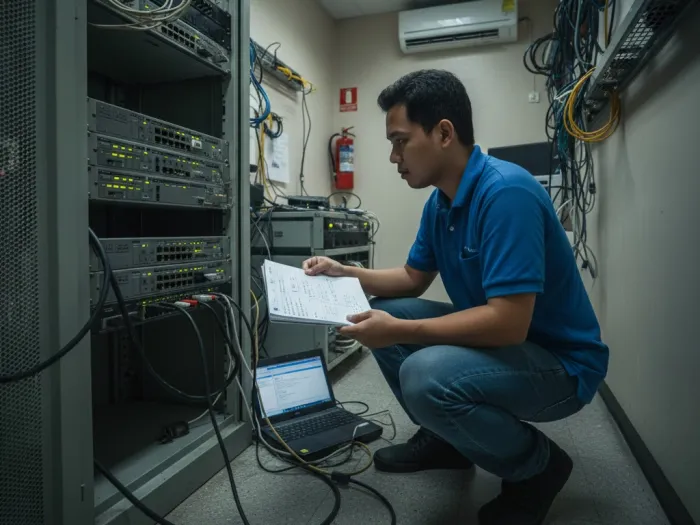
🏗️ Best Networking Certifications (Cisco, Juniper)
Networking is one of the core foundations of IT — and it remains one of the most in-demand skill sets in the Philippines. From telcos to BPOs to banks, every company needs people who can manage routers, switches, firewalls, and enterprise networks. If you understand networking fundamentals, you’ll always have job opportunities. And when it comes to certifications, Cisco is still king.
Cisco CCNA (The Gold Standard in Networking)
CCNA (Cisco Certified Network Associate) is the most respected entry-to-mid-level networking certification.
- Covers LAN/WAN, IP routing, switching, security, automation
- High recognition across PH companies
- Great for both beginners and experienced IT pros
- Perfect foundation for cloud & cybersecurity careers
Ideal for: IT support, NOC technicians, sysadmins, career shifters entering networking.
Cisco DevNet Associate
For those interested in network automation and DevOps.
- Mixes networking + programming
- Focus on APIs, automation, Python
- Growing demand as networks become software-defined
Ideal for: Network engineers wanting automation skills, cloud engineers, DevOps beginners.
Juniper JNCIA (Alternative to Cisco)
Juniper certifications are increasingly relevant in service providers and enterprise environments.
- Great if working in telcos like PLDT, Converge, Globe
- Easier than CCNA but still valuable
- Recognized by global network teams
Ideal for: Those working in ISP or enterprise network operations.
Networking Certifications Comparison Table
| Certification | Difficulty | Cost (PH) | Best For | Job Roles |
|---|---|---|---|---|
| Cisco CCNA | Medium | ₱10,000–₱18,000 | Beginners–Mid-level | Network Admin, NOC Tech |
| Cisco DevNet Associate | Medium–High | ₱12,000–₱20,000 | Networking + DevOps | Network Automation Engineer |
| Juniper JNCIA | Easy–Medium | ₱7,000–₱12,000 | Telco/Enterprise roles | Network Support, ISP Tech |
Networking remains a solid path with stable salaries, clear skill progression, and strong demand across PH companies. If you want a career where certifications truly matter, networking is a long-term investment.
📦 Best IT Service Management Certifications (ITIL)
If there’s one certification that almost every corporate IT team in the Philippines recognizes, it’s ITIL. Unlike technical certs (AWS, CCNA, Security+), ITIL focuses on processes — how IT teams deliver services, solve problems, and support users. That’s why ITIL is extremely common in BPOs, banks, telcos, government agencies, and large enterprises. It’s not about coding or configuring networks — it’s about understanding how IT works as a service.
ITIL 4 Foundation (Beginner-Friendly, Widely Recognized)
This is the entry-level ITIL certification and the most widely taken.
- No technical background required
- Explains IT workflows, incident management, change control, SLAs
- Highly valued in corporate environments
- Boosts promotion chances for support roles
Ideal for: IT support, service desk staff, NOC technicians, BPO IT, and anyone who wants to move into supervisory or analyst roles.
Why ITIL Matters in the Philippines
Most companies here follow ITIL practices because they:
- Standardize IT operations
- Improve service quality
- Help teams respond faster to technical issues
- Reduce downtime
- Align IT processes with business needs
This is why ITIL is sometimes required for promotions — especially in roles like IT Service Desk Lead, Incident Analyst, Helpdesk Supervisor, Problem Manager, and Service Delivery roles.
Real-World Job Roles Where ITIL Gives You an Edge
- IT Support / Helpdesk
- Service Desk Analyst
- NOC Technician
- Incident Manager
- Change Manager
- IT Operations Lead
- Service Delivery Manager
Even if you’re shifting to cybersecurity or cloud later on, ITIL helps you understand how everything connects inside an enterprise.
ITIL Certification Table
| Certification | Difficulty | Cost (PH) | Best For | Salary Impact |
|---|---|---|---|---|
| ITIL 4 Foundation | Easy–Medium | ₱12,000–₱20,000 | Beginners to mid-level | +10% to +25% higher salary for support roles |
Why ITIL is the Best “First Certification” for Many Filipinos
- Perfect for beginners
- Used in almost every corporate IT team
- Required for team lead and analyst positions
- Helps you transition smoothly to cloud, cybersecurity, or networking roles
- No technical background needed
ITIL won’t make you a cloud engineer or cybersecurity specialist — but it will help you get hired faster, promoted quicker, and understood better by managers and recruiters.

💻 Best Entry-Level Certifications (Google IT, CompTIA A+)
If you’re starting from zero — as in no IT background, no tech degree, no experience — these entry-level certifications are the perfect launchpad. They teach the fundamentals employers look for and help you qualify for IT Support, Service Desk, and Work-From-Home technical roles. Sa totoo lang, ang daming Filipinos na naka-breakthrough sa tech industry because of these beginner-friendly certs.
Google IT Support Professional Certificate
This is one of the most popular starter certs worldwide.
- No prior experience needed
- Covers troubleshooting, networking basics, OS, customer support
- Available on Coursera with hands-on labs
- Recognized by Google partners and many global employers
Ideal for: Total beginners, career shifters, call center agents moving into IT.
CompTIA A+ (The Most Recognized Entry-Level IT Certification)
A+ is the classic foundational cert for IT Support roles.
- Covers hardware, software, networking, troubleshooting, security basics
- Trusted by global companies worldwide
- Often listed in IT Support job descriptions
Ideal for: Anyone who wants a strong all-around foundation.
Microsoft MD-102 (Modern Desktop Administrator)
Previously MD-100/MD-101, now streamlined into MD-102.
- Teaches Windows deployment, maintenance, troubleshooting
- Best for companies using Windows ecosystems (which is almost every PH company)
- More technical than Google IT, but still beginner-friendly
Ideal for: IT support roles in corporate environments.
Beginner Certification Comparison Table
| Certification | Difficulty | Cost (PH) | Best For | Career Path |
|---|---|---|---|---|
| Google IT Support | Easy | ₱1,000–₱2,000/mo (Coursera) | Total beginners | IT Support, Service Desk |
| CompTIA A+ | Medium | ₱12,000–₱18,000 | Career shifters | IT Technician, Helpdesk |
| Microsoft MD-102 | Medium | ₱8,000–₱12,000 | Windows-heavy companies | Desktop Support, SysAdmin |
Why These Certifications Are Great for Beginners
- No experience needed
- HR teams recognize them
- Affordable compared to other IT certs
- Strong foundation for cloud, cybersecurity, and networking
- Perfect for WFH technical support roles
These certs help Filipinos make their first jump into tech — whether you’re coming from retail, BPO, teaching, or any other field. Once you’re in, you can build upward toward higher-paying tracks like cloud or cybersecurity.
👨💻 Best Certifications for Programmers (Python, Java, Agile)
Programming is one of the most flexible and high-paying IT career paths for Filipinos. Whether you’re aiming for freelance dev work, remote USD-paying jobs, or corporate software engineering roles, these certifications help validate your skills and strengthen your portfolio. Hindi naman kailangan ng cert para maging programmer, but having one can give beginners confidence and make mid-level devs stand out in crowded job markets.
Python Institute Certifications (PCAP – Certified Associate in Python Programming)
One of the best beginner-to-intermediate certifications for Python developers.
- Covers Python syntax, OOP, modules, exceptions, data structures
- Highly practical and recognized
- Excellent for automation, scripting, data analysis, and backend dev roles
Ideal for: Beginners, software testers, QA, DevOps starters, data science beginners.
Oracle Java SE Certification
Java remains heavily used in banks, fintech, telcos, and global enterprises.
- Validates strong Java fundamentals
- Highly respected in large enterprise environments
- Helps you get into backend development and Android development
Ideal for: Aspiring backend developers, enterprise developers, and those targeting corporate IT roles.
Scrum Master / Agile Certifications
Agile is the dominant methodology used by development teams.
- Focuses on team collaboration, workflow, and delivery frameworks
- Popular for dev teams, QA testers, product teams
- Scrum Master roles are in demand across global companies
Ideal for: Developers, QA testers, team leads, project managers, and remote WFH teams.
Developer Certification Comparison Table
| Certification | Difficulty | Cost (PH) | Best For | Job Opportunities |
|---|---|---|---|---|
| PCAP (Python) | Medium | ₱8,000–₱12,000 | Beginners–Intermediate | Python Dev, QA, Automation |
| Oracle Java SE | Medium–High | ₱12,000–₱20,000 | Backend Devs | Java Dev, Enterprise Dev |
| Scrum Master (CSM/PSM) | Easy–Medium | ₱10,000–₱25,000 | Dev/QA/PM | Scrum Master, Agile Coach |
Why Programmer Certifications Matter (Even If Optional)
- Provide structured learning
- Strengthen job applications for remote roles
- Help devs transition into specialized areas
- Clarify your skill level to hiring managers
- Boost confidence when shifting stacks
Whether you’re self-taught or academically trained, these certs can help you stand out — especially when competing globally.
🌐 Best Certifications for Remote Work & Freelancing
Remote work has exploded for Filipino IT professionals. Companies abroad no longer care where you live — they care how well you can deliver. And in freelancing platforms like Upwork, OnlineJobs, and Fiverr, certifications help you appear credible even if you don’t have a long corporate background. These certs focus on practical, digital-first skills that match global remote job demand.
Google Workspace Administrator
Google Workspace powers thousands of global companies.
- Teaches you Gmail admin, Drive policies, user management, security
- Strong fit for remote IT support roles
- Highly valued for SMEs, startups, and distributed global teams
Ideal for: WFH IT support, admin roles, remote IT generalists.
HubSpot CMS + SEO Certifications (For Hybrid IT + Digital Roles)
Many freelancers mix IT skills with marketing or automation.
- Focuses on CMS, automation, analytics, customer systems
- Valuable for web support roles
- Free certifications available
Ideal for: Freelancers offering website management, CMS support, and SEO tech work.
Cloud Support Certifications (AWS, Google IT)
Cloud support is one of the top remote job categories right now.
- Tasks include troubleshooting cloud services, monitoring, ticketing
- AWS Cloud Practitioner + Google IT Support is a strong combo
- Many remote companies hire Filipinos for Cloud Support Associate roles
Ideal for: Freelancers, career shifters, WFH tech roles.
Remote-Friendly Certifications Comparison Table
| Certification | Difficulty | Cost (PH) | Best For | Platforms Hiring |
|---|---|---|---|---|
| Google Workspace Admin | Easy–Medium | ₱5,000–₱8,000 | WFH IT Support | Google, SMEs, Startups |
| HubSpot CMS/SEO | Easy | Free–₱5,000 | Freelancers | Upwork, Fiverr, Agencies |
| AWS Cloud Practitioner | Easy | ₱5,000–₱7,000 | Cloud Support | Remote US/EU companies |
| Google IT Support | Easy | ₱1k–₱2k/mo (Coursera) | Beginners | Global tech support |
Why These Are Perfect for Remote Workers
- Lightweight and accessible
- Practical skills for global teams
- Low-cost entry points
- Fast results — many roles hire after 2–3 months of learning
- Great for Filipinos looking to start earning USD from home
Remote-friendly certs are one of the fastest ways to get your foot into global tech while enjoying work-from-home freedom.
🧾 Certification Costs in the Philippines (Exam Fees + Training Budget)
Before jumping into any certification, it’s important to know the real cost — not just the exam fee, but also training, retake fees, and where to book your exam. The good news? Filipinos now have cheaper access to online courses, vouchers, and local training centers, so you can choose between budget-friendly or instructor-led options. Knowing the full cost upfront helps you plan wisely and avoid surprises.
Local Training Centers vs Self-Study
Many Filipinos pass certifications through self-study using YouTube, Udemy, Coursera, or free vendor resources. But for harder exams (like CCNA, AWS SAA, or Security+), local training centers can help you stay accountable and give more structured guidance.
Self-Study
- Cheapest option
- Flexible schedule
- Ideal for motivated learners
- Many free or low-cost resources
Training Centers (PH)
- Guided lessons
- Lab access for networking/security
- Review support and exam simulations
- Higher cost but better structure
Popular PH training centers include:
- Trainocate Philippines
- CTI (Computer Training Institute)
- Nexxel IT Academy
- Mikrotik/Cisco-authorized academies
- Local review centers with weekend bootcamps
Where Filipinos Take Certification Exams
Most IT certification exams in the Philippines are taken in two ways:
Pearson VUE (Most Common)
Used by AWS, Cisco, CompTIA, ITIL, ISC2.
Can be taken:
- In official testing centers, or
- Online via OnVUE (webcam proctoring)
Certiport
Used by Microsoft, Oracle (some tracks), and entry-level certs.
Vendor Platforms
Google IT, HubSpot, Scrum, Coursera-based exams.
Certification Cost Breakdown (Philippines)
| Certification | Exam Fee (PH Approx.) | Training Options | Total Budget |
|---|---|---|---|
| AWS Cloud Practitioner | ₱5,000–₱7,000 | Udemy ₱400–₱800 | ₱6,000–₱8,000 |
| AWS Solutions Architect Associate | ₱8,000–₱12,000 | Udemy/Review ₱400–₱10,000 | ₱10,000–₱20,000 |
| Azure AZ-900 | ₱5,000–₱6,000 | Free MS Learn | ₱5,000–₱6,500 |
| Google Cloud ACE | ₱8,000–₱12,000 | Coursera/Udemy ₱800–₱1,200 | ₱9,000–₱13,000 |
| CompTIA Security+ | ₱12,000–₱18,000 | Review ₱5,000–₱20,000 | ₱15,000–₱35,000 |
| ISC2 CC | ₱2,500–₱4,000 | Free training | ₱2,500–₱4,500 |
| Cisco CCNA | ₱10,000–₱18,000 | Bootcamps ₱10,000–₱25,000 | ₱20,000–₱40,000 |
| ITIL 4 Foundation | ₱12,000–₱20,000 | Training ₱5,000–₱20,000 | ₱15,000–₱40,000 |
| Google IT Support (Coursera) | ₱1,000–₱2,000/mo | Included videos | ₱2,000–₱4,000 |
| CompTIA A+ | ₱12,000–₱18,000 (per exam, 2 exams) | Review ₱5,000–₱20,000 | ₱25,000–₱55,000 |
Budget Tips for Filipinos
Use Sales & Discounts
Udemy sells top-rated courses for under ₱500 during promos.
Choose Online Proctoring
Cheaper and faster than visiting a testing center.
Start With Free Training
Google, AWS, and ISC2 all offer free beginner content.
Avoid Retakes (Big Cost Saver)
Most exams cost 50 to 100 percent of the original price to retake.
Study thoroughly. Take practice tests. Huwag sayangin ang pera.
Certifications can be expensive, but with the right planning, you can get certified at a fraction of the usual cost. And because the ROI for IT careers is high, your investment often pays back within months of landing a better job.
📈 Expected Salary Ranges for Certified IT Professionals (PH & Remote)
One of the biggest reasons Filipinos pursue IT certifications is the potential for better pay. And in 2025, the salary gap between non-certified and certified IT professionals is wider than ever. Employers want people who can prove skills — and they’re willing to pay more for them. Whether you’re applying locally or aiming for remote USD roles, certifications can dramatically increase your earning potential.
Salary Overview: Local vs Remote
IT salaries in the Philippines vary depending on experience, company size, and technical depth. But certifications generally boost pay by 10 to 60 percent, especially for cloud, cybersecurity, and advanced networking roles.
Local Salaries (Philippine Companies)
- Entry-Level IT Support (with certs): ₱18,000–₱28,000
- Network Admin / SysAdmin: ₱30,000–₱55,000
- Cloud / DevOps Associate: ₱45,000–₱80,000
- Cybersecurity Analyst: ₱40,000–₱90,000
- Senior Engineers: ₱80,000–₱140,000
Remote Salaries (US/EU Companies)
- IT Support Specialist: $800–$1,500/month
- Cloud Support Engineer: $1,500–$3,500/month
- Cybersecurity Analyst: $2,000–$4,500/month
- DevOps / Cloud Architect: $3,000–$7,000/month
For many Filipinos, even the “beginner” remote rates already exceed local senior-level pay.
Salary Ranges by Certification Category
Cloud Certifications (AWS, Azure, GCP)
Cloud remains the highest-paying certification field.
- PH Salary: ₱50,000–₱120,000 monthly
- Remote Salary: $2,000–$6,000 monthly
Job Roles:
- Cloud Support Associate
- Solutions Architect
- DevOps Assistant
- Cloud Engineer
Cybersecurity Certifications (Security+, CC, CEH, CISSP)
Cybersecurity has extreme global demand.
- PH Salary: ₱40,000–₱90,000
- Remote Salary: $2,000–$5,000
Job Roles:
- SOC Analyst
- Security Analyst
- Threat Intelligence
- Penetration Tester (CEH)
Networking Certifications (CCNA, DevNet, JNCIA)
Networking roles remain stable and well-paying.
- PH Salary: ₱25,000–₱55,000
- Remote Salary: $1,500–$3,500
Job Roles:
- Network Admin
- NOC Engineer
- Network Support
- ISP Technician
IT Service Management (ITIL 4 Foundation)
High impact for corporate promotions.
- PH Salary: ₱20,000–₱45,000
- Remote Salary: $1,000–$2,500
Job Roles:
- IT Support Analyst
- Service Desk Lead
- Incident Manager
- Problem Manager
Entry-Level Certs (Google IT, CompTIA A+, MD-102)
Perfect for landing your first IT job.
- PH Salary: ₱18,000–₱28,000
- Remote Salary: $800–$1,500
Job Roles:
- IT Support
- Helpdesk
- Desktop Support
Salary Comparison Table
| Certification Path | PH Salary Range | Remote Salary Range | Difficulty | Best For |
|---|---|---|---|---|
| Cloud (AWS/Azure/GCP) | ₱50k–₱120k | $2k–$6k | Medium–High | High-paying global roles |
| Cybersecurity | ₱40k–₱90k | $2k–$5k | Medium | Security-focused careers |
| Networking (CCNA) | ₱25k–₱55k | $1.5k–$3.5k | Medium | Network/ISP roles |
| ITIL | ₱20k–₱45k | $1k–$2.5k | Easy–Medium | Corporate promotions |
| Google IT / A+ | ₱18k–₱28k | $800–$1.5k | Easy–Medium | Beginners |
Why Certifications Boost Salary
- HR trusts certified talent more
- Certified candidates perform better in technical interviews
- Companies pay extra for specialized skills
- Remote employers skip candidates without proof of expertise
- Certification helps you stand out in competitive job markets
For Filipinos dreaming of higher-paying jobs, certifications can literally change your income bracket — especially if you combine them with real-world hands-on practice.
🛠️ How to Choose the Right Certification Based on Your Career Path
With so many certifications available, it’s easy to feel lost. The truth is, there is no single “best” certification. The best one is the cert that matches your current skills, your long-term goals, and the type of work you actually want to do. Ang daming Filipinos ang nag-e-exam nang hindi malinaw ang direction — ending up spending money on certs that don’t help their career path. This section fixes that for you.
Choosing Based on Your Starting Point
If You’re a Total Beginner (No IT Experience Yet)
Start simple and build momentum.
Good choices:
- Google IT Support (easy entry point)
- CompTIA A+ (strong fundamentals)
- ITIL 4 Foundation (clean pathway to corporate IT)
Why?
They help you get your first IT job — which is the hardest jump for most beginners.
If You’re in IT Support and Want to “Level Up”
You already have the basics, so now go for skills employers look for in promotions:
- ITIL 4 Foundation (for team lead/supervisor roles)
- AZ-900 / AWS Cloud Practitioner (cloud exposure)
- MD-102 (Windows admin skills)
These certs help you move from support roles to analyst or admin positions.
If You Want High-Paying Remote Jobs
Remote companies love cloud and security skills.
Best paths:
- AWS Solutions Architect Associate
- Google Cloud ACE
- Azure Administrator (AZ-104)
- CompTIA Security+
These give you global-standard competencies that fully remote companies trust.
If You Want to Become a Cybersecurity Professional
Start small, then progress.
Roadmap:
- ISC2 CC
- CompTIA Security+
- CEH or CySA+
- CISSP (long-term goal)
Security is high-paying and stable — but requires deliberate skill-building.
If You Want to Become a Network Engineer
A clear and straightforward path:
- CCNA
- JNCIA (optional alternative)
- CCNP (advanced)
Networking certs stay in demand, especially in PH telcos, banks, and BPO operations.
If You Want Cloud/DevOps Roles
Cloud is the future — and DevOps combines programming and operations.
Try:
- AWS SAA or GCP ACE
- Terraform Associate
- Linux Essentials
- Python PCAP (for automation)
This path leads to some of the highest-paying IT jobs today.
Career Path → Recommended Certifications (Table)
| Career Goal | Recommended Certifications | Why It Works |
|---|---|---|
| First IT Job | Google IT, A+, ITIL | Foundation + HR-friendly |
| Corporate IT / Analyst | ITIL, MD-102, AZ-900 | Corporate standard skills |
| Network Engineer | CCNA, DevNet, JNCIA | Strong technical fundamentals |
| Cybersecurity | ISC2 CC, Security+ | Required by global SOC teams |
| Cloud/DevOps | AWS SAA, GCP ACE | Highest salary growth |
| WFH Remote IT | AWS CP, Google IT | Easy entry to global roles |
How to Know You Picked the Right Cert
You know you’re on the right track when:
- It aligns with the job role you want
- You understand at least 50% of the exam topics while browsing the syllabus
- You can imagine yourself doing the real job behind the certification
- Your long-term career direction becomes clearer, not more confusing
Choosing the right cert feels like leveling up — not forcing yourself into a path you don’t actually like.

📚 Study Tips, Resources & Exam Prep Guide
Studying for IT certifications can feel overwhelming at first — lalo na if you’re juggling work, family, or shifting schedules. But with the right strategy, anyone can pass these exams, even beginners. The key is to avoid random studying and follow a structured approach that builds real understanding, not just memorization. The tips below come from what actually works for Filipinos taking AWS, CCNA, ITIL, Security+, and other major certs.
Best Free & Low-Cost Study Resources
Free Vendor Resources
Many certs offer official free study materials:
- AWS Skill Builder (Free courses)
- Microsoft Learn (For Azure + MD-102)
- Google Cloud Skills Boost
- ISC2 Free CC Training
- ITIL sample papers via Axelos
These are updated, reliable, and perfect for beginners.
Udemy Courses (₱400–₱800 during sales)
Some of the best-reviewed courses for:
- AWS Cloud Practitioner / SAA
- CCNA
- Security+
- GCP ACE
- Python PCAP
- ITIL Foundation
These are extremely budget-friendly during promos.
YouTube Tutorials
Great for visual learners:
- NetworkChuck
- TechWorld with Nana (DevOps)
- FreeCodeCamp
- David Bombal (Networking & Cisco)
- John Savill (Azure)
Perfect for supplementing your main course.
Local PH Review Centers
These help if you need structure, hands-on labs, or coaching:
- Trainocate Philippines
- Nexxel IT Academy
- CTI
- Cisco / Mikrotik academies
- Weekend bootcamps for Security+ & AWS
Good for students who prefer guided learning.
How to Build a Study Schedule (Simple Template)
If You Study 1–2 Hours Daily
- Weeks 1–2: Watch intro lectures
- Weeks 3–4: Deep dive per topic + quizzes
- Week 5: Practice exams
- Week 6: Review weak areas + book the exam
If You Study Weekends Only
- Month 1: Finish main lectures
- Month 2: Hands-on labs
- Month 3: Practice tests + final review
Slow but steady beats cramming every time.
Most Important Exam Prep Tips
Use Practice Exams (Non-Negotiable)
Aim for 80–85 percent passing score consistently.
If you’re hitting that range, ready ka na.
Learn the Why, Not Just the What
Exams like AWS SAA and CCNA test reasoning, not memorization.
Understand the concepts behind the answers.
Rotate Between Learning Styles
- Watch videos
- Read notes
- Do hands-on labs
- Take practice quizzes
This cements the knowledge much deeper.
Do Hands-On Labs (Especially for Cloud & Networking)
Use:
- AWS Free Tier
- GCP Free Credits
- Azure Sandbox
- Cisco Packet Tracer
- TryHackMe (Security)
Hands-on practice dramatically increases confidence.
Study Platforms Comparison Table
| Platform | Best For | Cost | Strength |
|---|---|---|---|
| AWS Skill Builder | Cloud basics | Free–₱5k | Official content |
| Udemy | All certs | ₱400–₱800 | Affordable, detailed |
| Coursera | Google IT, GCP | ₱1k–₱2k/mo | Structured learning |
| YouTube | Beginners | Free | Easy to digest |
| Review Centers | CCNA/Sec+/Advanced | ₱10k–₱25k | Guided labs & coaching |
Final Prep Before Exam Day
- Sleep early
- Review only weak topics
- Don’t learn new concepts on exam day
- Stay calm — nerves kill more exams than lack of knowledge
- Trust your practice test performance
Studying doesn’t have to be stressful. With the right rhythm and discipline, certifications become achievable — even for busy Filipinos working full-time.
❓ FAQs (Best IT Certifications for Filipinos in 2025)
1. Which IT certification is best for beginners in the Philippines?
For complete beginners, the best options are Google IT Support, CompTIA A+, and ITIL 4 Foundation. These require no prior IT experience and teach you the fundamentals employers look for in entry-level roles. Many Filipinos land their first IT job with these certs alone. They’re also affordable and easy to study at your own pace.
2. What is the most in-demand IT certification in the Philippines right now?
Cloud certifications like AWS Solutions Architect Associate and Azure AZ-900/AZ-104 are the most in-demand in 2025. Many companies are migrating to the cloud and urgently need certified professionals. These certs open doors to high-paying roles like Cloud Support, DevOps, and Systems Engineering. If you want strong job security and growth, cloud is the top choice.
3. How long does it take to prepare for an IT certification exam?
Most people can prepare in 6 to 12 weeks of consistent study. Beginners may take longer, especially for more technical certs like CCNA or Security+. What matters most is consistency — even 1 to 2 hours per day is enough. Use practice exams and hands-on labs to speed up your learning.
4. Is ITIL still worth it in 2025?
Yes — ITIL remains one of the most valuable certifications for corporate IT roles in the Philippines. Many companies still follow ITIL processes for incident management, change control, and service delivery. ITIL is also a promotion booster for IT Support, Service Desk, NOC, and Analyst roles. It’s one of the easiest, fastest certifications that delivers real career benefits.
5. Can I get an IT job without a degree if I have certifications?
Yes, maraming Filipinos ang nakapasok sa IT through certifications alone. Many companies now value skills-based hiring, especially for support, cloud, and cybersecurity roles. Certifications prove that you can do the job even without a traditional IT degree. What matters most is your skills, hands-on practice, and willingness to learn.
6. How much does it cost to take an IT certification in the Philippines?
Costs vary widely — entry-level certs like ISC2 CC can cost as low as ₱2,500, while advanced certs like CCNP or CISSP may reach ₱30,000–₱40,000. Cloud certs (AWS/GCP/Azure) usually fall in the ₱5,000–₱12,000 range. Training costs depend on whether you self-study, take Udemy courses, or enroll in local bootcamps.
7. What’s the highest-paying IT certification for Filipinos?
Cloud and security certifications consistently top the list. AWS Solutions Architect, Google ACE, Azure Administrator, and Security+ lead to roles with some of the highest salaries both locally and remotely. Senior-level certs like CISSP and AWS Professional can exceed ₱150k monthly or $4k+ remote salaries.
8. Are online proctored exams allowed in the Philippines?
Yes — most major IT certifications now allow online proctored exams through Pearson VUE’s OnVUE system. You only need a quiet room, webcam, stable internet, and valid ID. Many Filipinos prefer online exams because they’re more convenient and save travel costs. Some exams (like Google IT) are fully online by design.
9. What certification should I take to qualify for remote work?
For remote roles, the best combination is Google IT Support + AWS Cloud Practitioner or Security+. These certs are globally recognized and frequently required by US and EU remote employers. Cloud and security roles have massive remote demand, and they pay significantly higher than local jobs. Even beginners can start building toward these paths.
10. Should I take multiple certifications at once?
It’s better to focus on one certification at a time. Taking multiple exams together increases burnout and reduces retention. A good strategy is to finish a foundational cert first (A+, ITIL, or Google IT) before moving on to more advanced tracks like cloud or cybersecurity. Your cert roadmap should build upward, not sideways.
🌟 Your Certification Can Be the Start of a Completely Different Life
A lot of Filipinos feel stuck — same job, same pay, same routine. But the truth is, one certification can change your entire direction. It can open doors to companies you never imagined, roles you didn’t think you were qualified for, and salaries that can genuinely transform your family’s future. That’s the real power of IT in 2025. Hindi kailangan ng perfect background. Hindi kailangan ng mamahaling degree. What you need is the courage to start, even if you feel behind.
Every expert today was a beginner once. Every cloud engineer struggled with their first lab. Every cybersecurity analyst failed a practice test. What matters is that they kept going. And you can too. The moment you commit to learning, you’re already building a future version of yourself — stronger, more skilled, more confident. A version of you that earns more, understands more, and opens more opportunities for the people you love.
If you’re ready, this is your sign. Choose one certification. Start studying. Build the momentum. Little by little, skill by skill, you’ll look back and realize: “Wow… I did it.” And that future? It begins today — with one decision, one cert, one brave step forward.